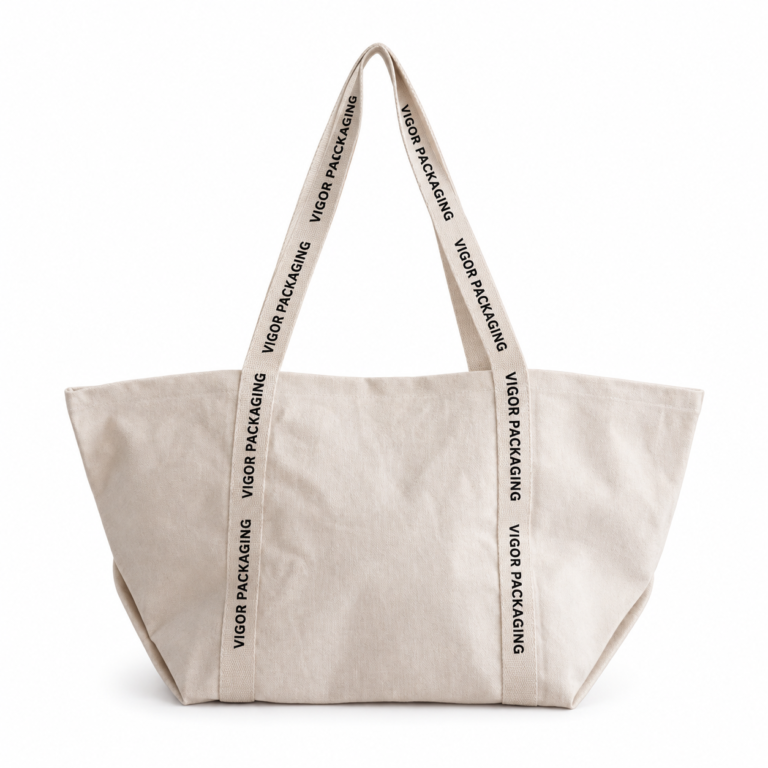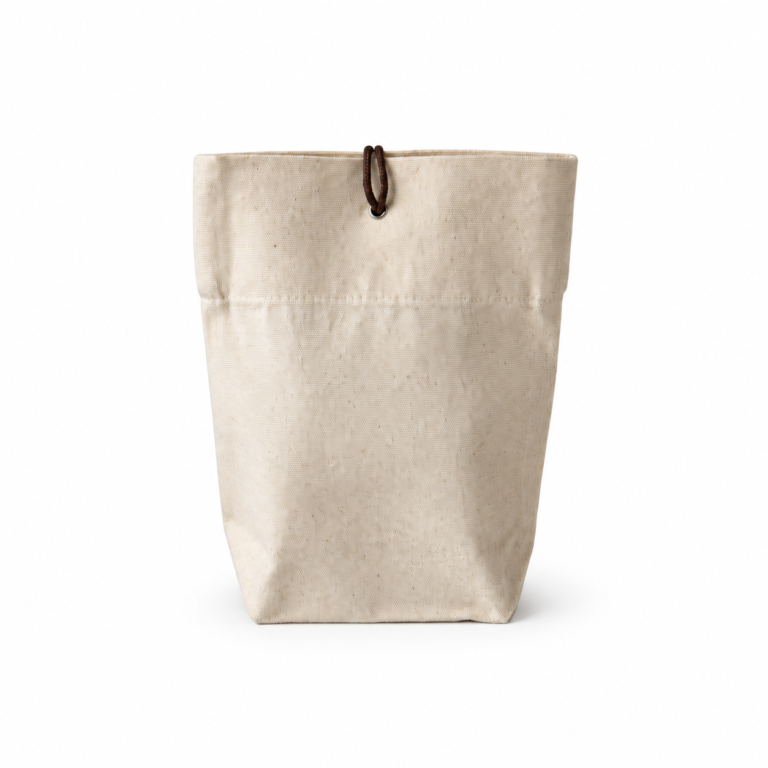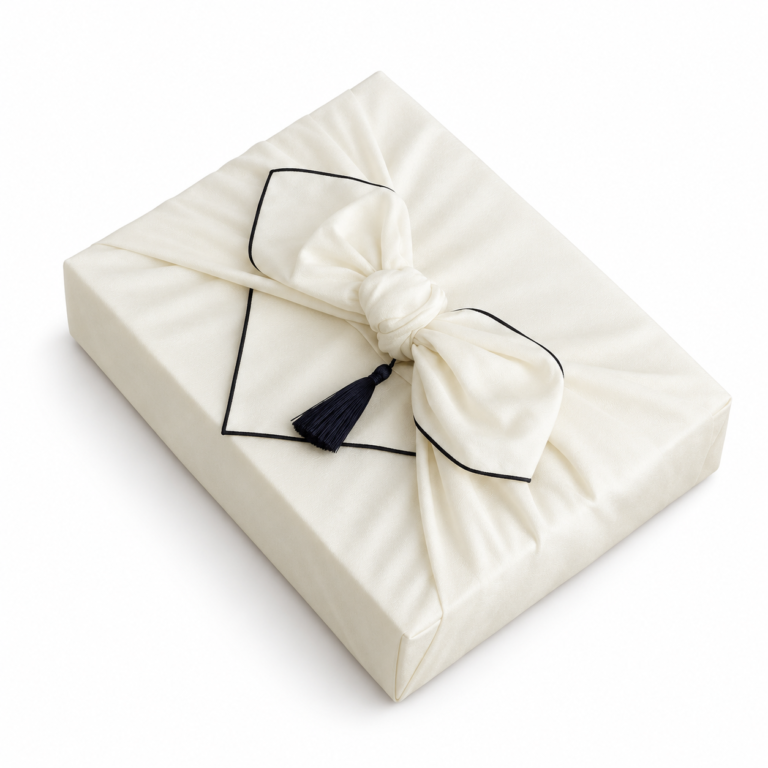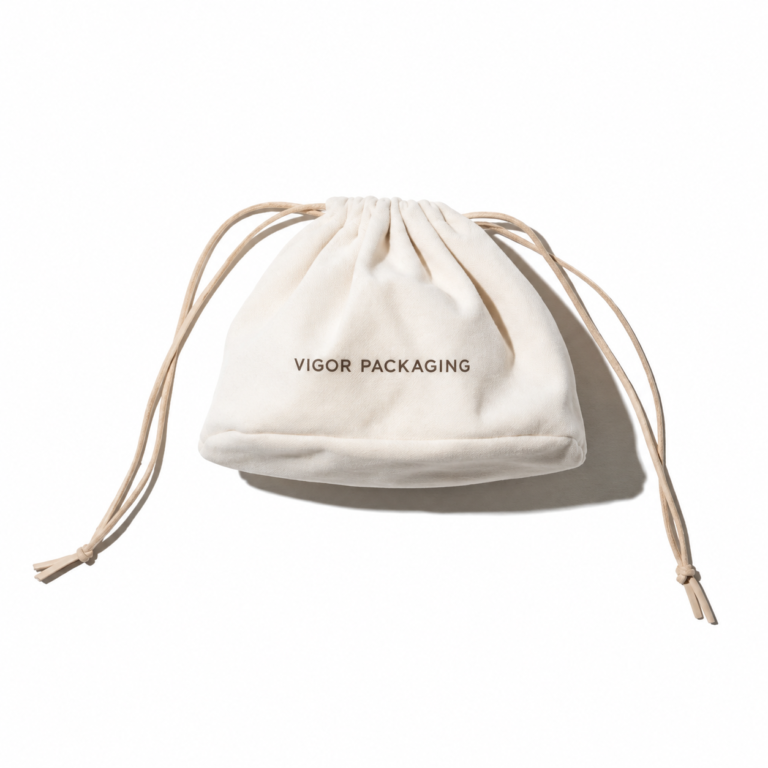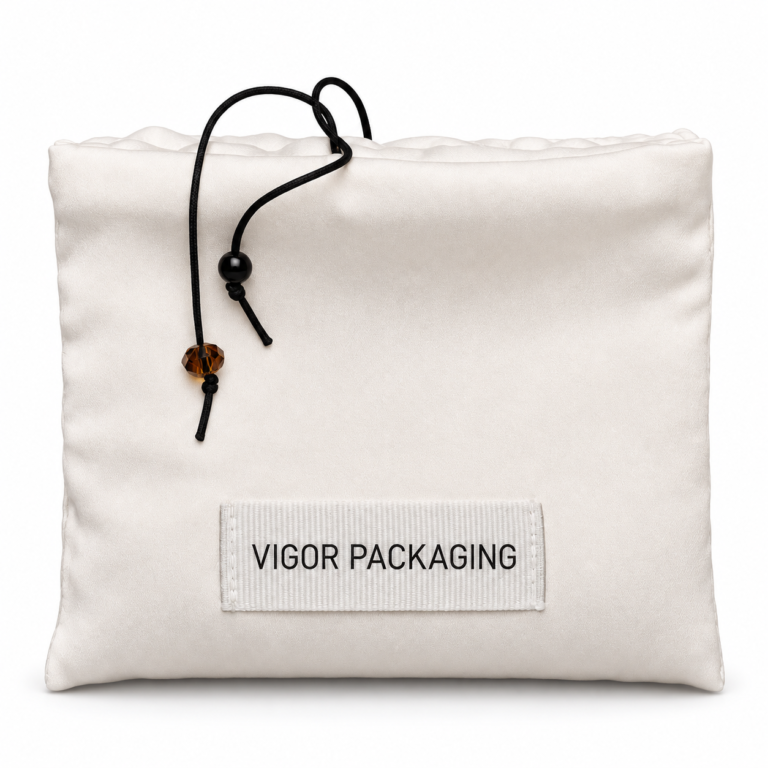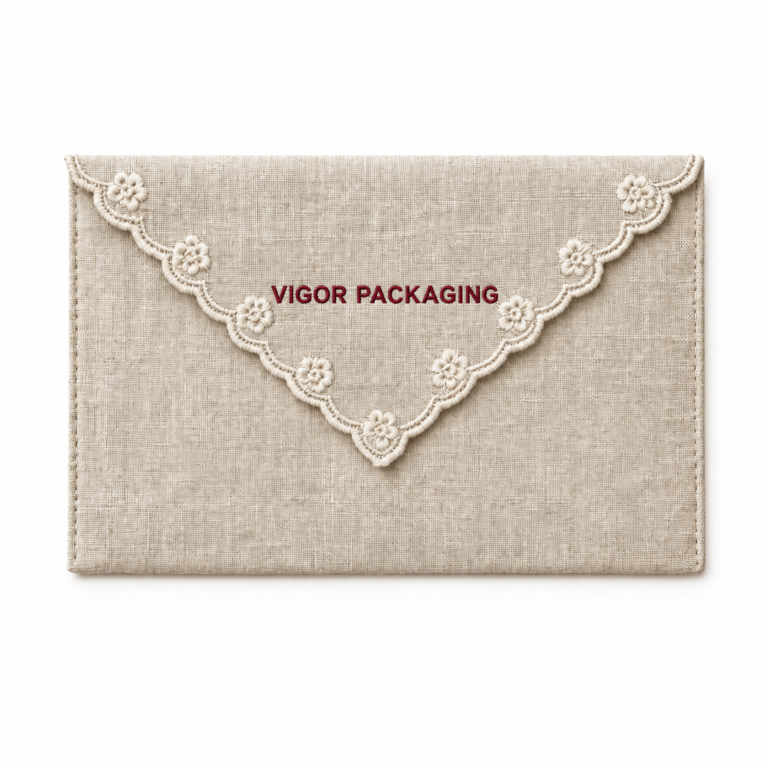
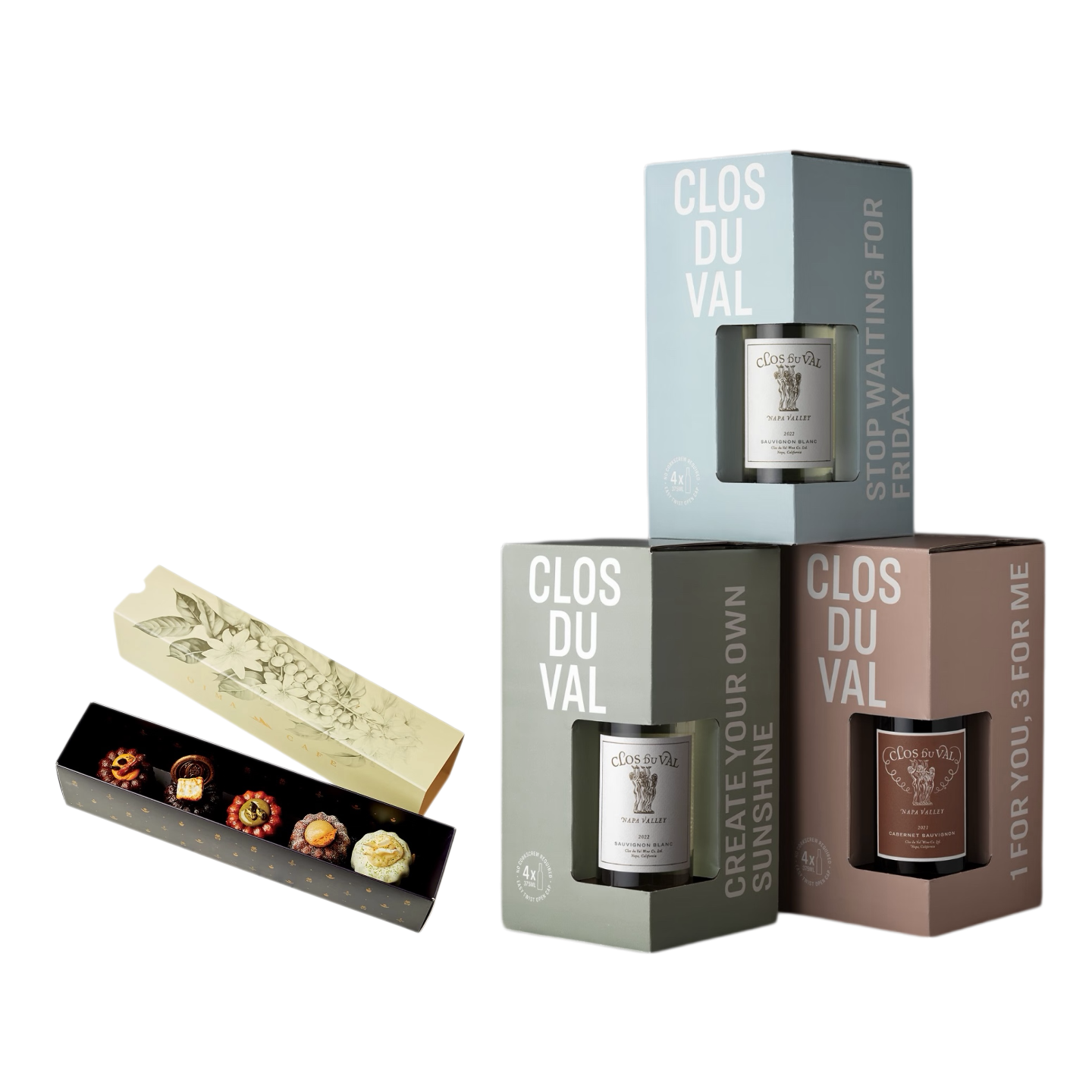
As an industry-leading packaging and printing manufactory, we present our All-in-One Brand Packaging & Unboxing Suite. Specifically engineered to consolidate your global packaging supply chain, this holistic category empowers your brand to source premium rigid gift boxes, luxury paper totes, sustainable fabric pouches, and delicate finishing accessories from a single master-level workshop. By eliminating color variance and structural discrepancies between different vendors, we guarantee absolute visual cohesion across your entire retail and e-commerce presentation.
| Buyer Information | Vigor Packaging |
|---|---|
| Industries Served | Skincare, cosmetics, perfume, home fragrance, food and beverage |
| Packaging Range | Folding cartons, rigid boxes, paper bags, fabric bags, tissue paper, tags, stickers and printed accessories |
| Customization | Size, structure, materials, printing, colors, finishes, inserts and branded accessories |
| Product Protection | Custom paperboard, molded pulp, EVA, foam, blister and divider solutions based on the product |
| Color Management | CMYK and Pantone matching across boxes, bags, tissue paper, tags and other packaging components |
| Sample Lead Time | Generally 3–7 working days, depending on structure, materials and finishes |
| Typical MOQ | Usually 1,000 pieces per design, subject to product structure and material requirements |
| Mass Production | Generally 7–30 working days after artwork and sample approval |
| Quality Control | Material inspection, in-process checks, final manual inspection and appropriate transit testing |
| Compliance Planning | Materials and specifications can be selected according to product use and the buyer’s target-market requirements |
| Shipping Support | Export cartons, palletization and worldwide delivery coordination |
Start with the product’s size, weight, fragility, storage conditions, sales channel and target market. Skincare and cosmetic products often prioritize presentation and brand consistency, while perfume bottles require stronger structural protection. Food and beverage packaging may also need grease resistance, moisture control or food-contact considerations. An experienced packaging manufacturer can recommend a suitable box structure, material, insert and finish based on these requirements.
Skincare packaging is often designed around bottles, jars, droppers, tubes and product sets that require precise inserts and protection from movement. Cosmetic packaging may cover a wider range of items, including makeup palettes, lipsticks, brushes and promotional kits. Both can use folding cartons, rigid boxes, paper bags and fabric pouches, but their structures and inserts should be developed according to the product’s dimensions, weight and retail positioning.
Rigid boxes are commonly used for premium perfume packaging because they provide stronger protection and a high-end presentation. Custom inserts made from EVA, foam, molded pulp, blister material or paperboard can hold the bottle securely and reduce movement during shipping. Magnetic, book-style, gatefold and hinged-lid structures are popular options. The final design should be tested using the actual bottle dimensions, weight and closure shape.
Food brands should consider whether the packaging has direct or indirect contact with the product, as well as grease resistance, moisture protection, temperature, shelf life and local regulations. Secondary packaging such as printed cartons and gift boxes can support branding and product protection, while any direct food-contact materials should meet the requirements of the destination market. The packaging structure should also be easy to assemble, transport and display.
Candles and home fragrance products usually require packaging that protects glass containers, lids and decorative surfaces. Folding cartons work well for lightweight products, while rigid boxes are suitable for premium candles and gift sets. Paperboard, molded pulp or foam inserts can separate products and prevent movement. Heat sensitivity, fragrance oils, product weight and shipping conditions should all be considered before confirming materials and finishes.
Beverage packaging should be designed according to the bottle’s diameter, height, weight and closure. Reinforced rigid boxes, folding cartons, dividers and fitted inserts can prevent bottles from colliding or moving during transport. Handles, magnetic closures and presentation trays may be added for retail gift sets. Before production, the structure should be tested using actual filled bottles to confirm load-bearing strength, fit and shipping protection.
Yes. A single manufacturer can coordinate box structures, paper bags, fabric bags, tissue paper, tags and stickers using consistent Pantone or CMYK colors, logos, materials and finishes. This is especially useful for brands selling several product lines, such as skincare, cosmetics and fragrance. Physical color samples and approved production standards should be used because the same color may appear differently on coated paper, kraft paper, fabric and other materials.
Luxury packaging commonly uses rigid greyboard, specialty paper, coated paper, textured paper or premium fabric. Popular finishes include foil stamping, embossing, debossing, spot UV, soft-touch lamination, screen printing and custom inserts. The best combination depends on the brand image, product weight, expected retail price and distribution channel. Finishes should enhance the packaging without reducing durability, recyclability or production reliability.
Custom inserts are developed from the product’s exact dimensions, weight, shape and fragile areas. Paperboard inserts are suitable for many lightweight products, while molded pulp, EVA, foam and blister inserts provide different levels of cushioning and support. A prototype should be tested with the actual product to confirm fit, removal experience and transit protection. The insert should protect the product without making the packaging unnecessarily large or difficult to assemble.
Provide the product type, dimensions, weight, required quantity, preferred box or bag style, materials, printing colors, finishes, insert requirements and destination country. Product photos, artwork files and reference packaging are also helpful. If the structure is not yet confirmed, describe the product’s sales channel, target customer, desired positioning and shipping method so the manufacturer can recommend an appropriate packaging solution.
This website uses cookies to ensure you get the best experience.
We use cookies to enhance your browsing experience, serve personalized content, and analyze our traffic.
These cookies are essential for the website to function properly.
Hostinger uses cookies and similar technologies to analyze how you use this website. This helps improve user experience and Hostinger products. For this purpose, Amplitude service is used to collect usage data that does not directly identify you. Analytics are used only with your consent.
These cookies help us understand how visitors interact with the website by collecting and reporting information anonymously.
These cookies are used to deliver advertisements that are relevant to you and your interests.