Die cutting is one of the key converting processes that turns printed sheets into functional packaging. It determines the final outline of a carton, creates windows and openings, forms tear lines and perforations, and works together with creasing to prepare packaging for folding and assembly.
For packaging buyers, choosing a die-cutting solution involves more than deciding on a shape. Material thickness, paper grain, structural complexity, production quantity, cutting accuracy and tooling all affect the final result and cost.
This guide explains how die cutting works, the different cutting and creasing operations used in packaging, when conventional die cutting or laser cutting makes more sense, and what information to prepare before requesting a quotation.
Quick Answer: Die cutting is a packaging converting process that uses a custom-made die containing cutting and, where required, creasing rules to cut printed sheets into specific shapes and prepare fold lines.
For most folding cartons and paper packaging, cutting and creasing can be incorporated into the same die, allowing the package outline, windows, tear lines and folding structure to be produced efficiently in a coordinated operation.
Die Cutting at a Glance
| Item | Details |
|---|---|
| Primary Purpose | Cutting packaging materials into custom shapes and preparing structural features for folding and assembly |
| Common Operations | Straight cutting, custom shape cutting, edge trimming, window cutting, perforations, tear lines and creasing |
| Typical Materials | Paper, paperboard, kraft paper, corrugated board, specialty paper and selected synthetic materials |
| Tooling | Conventional production normally requires a custom cutting die made with steel cutting and creasing rules |
| Best Suited For | Folding cartons, rigid box components, sleeves, inserts, labels, cards and other converted packaging |
| Production Advantage | Fast and highly repeatable for medium- and high-volume packaging production |
| Important Variables | Material thickness, paper grain, structural design, cutting-rule configuration, crease specifications and registration |
| Alternative Process | Laser cutting can be considered for extremely intricate patterns, very small openings or decorative cutouts |
Die cutting is part of a broader group of specialty packaging processes used to create structural, tactile, laser-based, and optical effects beyond conventional printing and surface finishing.
What Is Die Cutting in Packaging?
In packaging production, die cutting is the process of using a shaped tool to cut a flat sheet into the outline required for the finished package.
A conventional cutting die typically contains steel cutting rules mounted according to the packaging dieline. Creasing rules can be installed in the same die without interfering with the cutting rules, allowing cutting and fold preparation to take place in one production operation.
This is why the process is sometimes described more broadly as die cutting and creasing rather than cutting alone.
Die cutting changes the physical shape and structure of packaging material. It is therefore classified more accurately as a packaging converting or structural processing technique, rather than a printing method or conventional surface finish.
How Does the Die-Cutting Process Work?
The process normally begins with a dieline defining the cutting paths, crease lines, perforations, openings and other structural features.
A cutting die is then produced according to the approved structure. Steel rules are positioned within the die according to their functions. Sharp cutting rules penetrate the material, while creasing rules press controlled channels into the board so it can later fold along predetermined lines.
During production, the printed sheet is accurately positioned and pressed against the die. Depending on the structure, several operations may be performed during the same pass.
After cutting, unwanted material is removed and the converted sheets continue to folding, gluing, mounting or other assembly processes.
Accurate registration between printed artwork and the cutting position becomes particularly important when borders, windows, logos or other graphic elements sit close to a cut edge.
Common Die-Cutting and Creasing Techniques
Die cutting is not limited to cutting the outside shape of a carton. By changing the cutting rules, creasing rules and their arrangement, manufacturers can create a wide range of functional and decorative structures.
Straight and Custom Shape Cutting
Standard cutting rules can produce straight edges, curves and irregular shapes according to the packaging design.
This is widely used for folding cartons, sleeves, cards, covers, inserts and other packaging components.
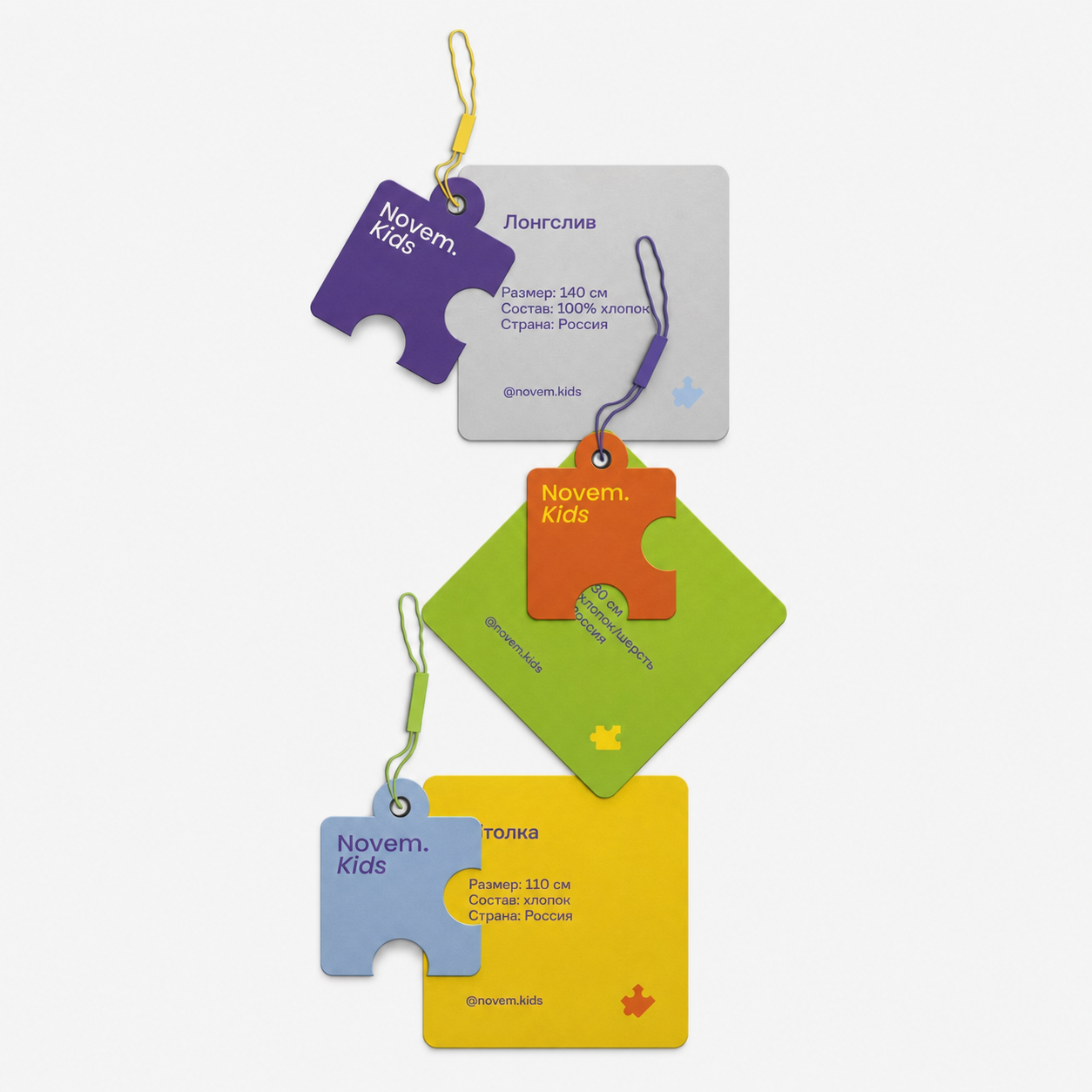
Custom-shaped cutting also allows packaging to move beyond conventional rectangular structures. Curved edges, shaped openings and distinctive silhouettes can become part of the visual identity of the package.
Edge Cutting and Decorative Cutouts
Die cutting can remove selected portions of a sheet to create shaped edges, internal openings and decorative silhouettes.
These cutouts can range from simple product windows to more elaborate visual elements where the packaging structure itself becomes part of the graphic design.
The feasibility of very fine cutouts depends on the material, cutting-rule dimensions, spacing and the amount of material remaining around the opening.
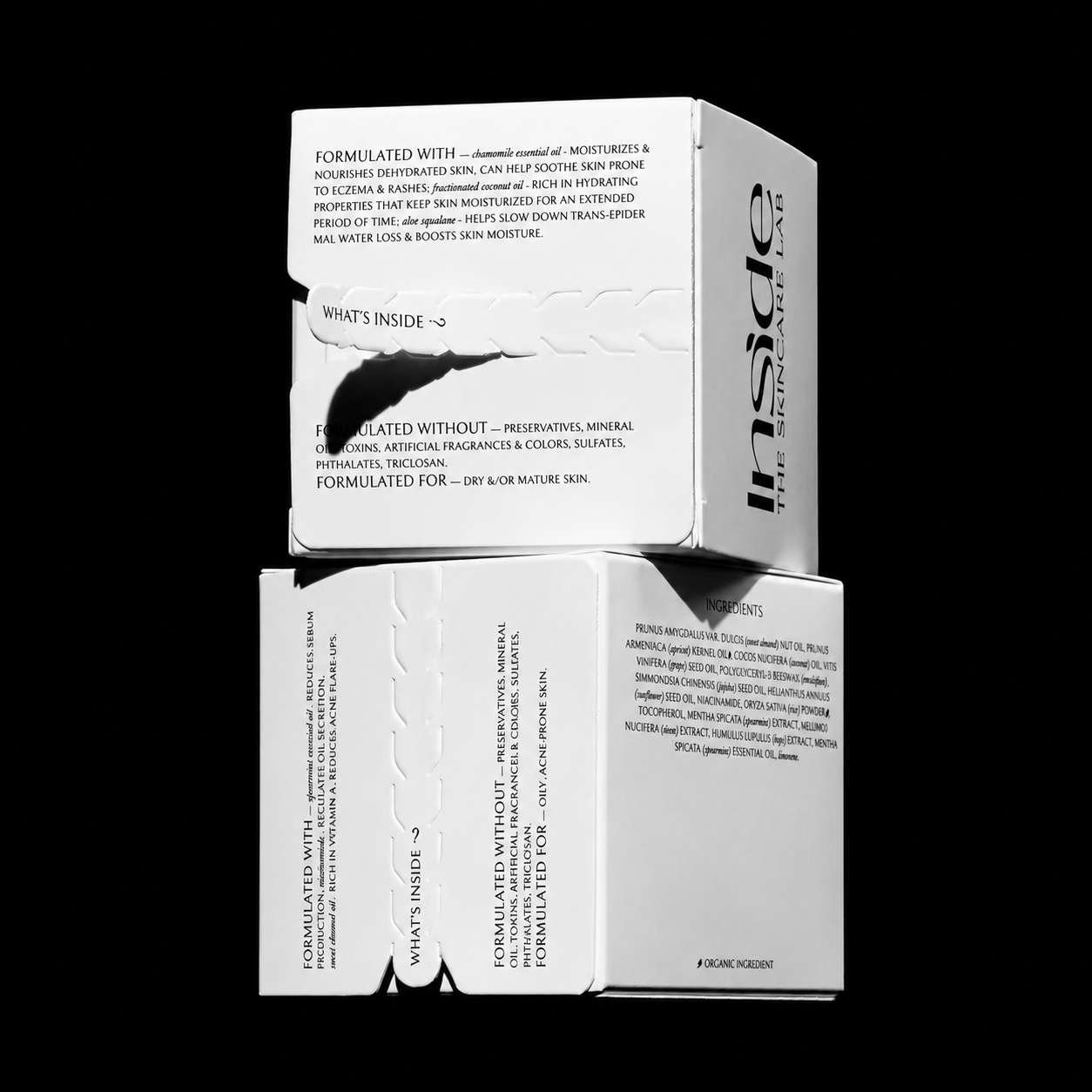
Tear Lines
A tear line creates a controlled opening path that consumers can tear by hand.
It is useful for cartons, sleeves, envelopes, promotional packaging and other structures requiring easy opening or detachable sections.
The cutting pattern needs to balance two requirements: the package must remain secure during production and transportation while still tearing predictably when opened.
Perforations
Perforation rules create a sequence of cuts separated by small uncut bridges.
They are commonly used for:
- tear-off panels
- detachable sections
- opening features
- coupons
- promotional components
- easy-open packaging
The relationship between the cut sections and the remaining bridges can be adjusted according to material thickness and required tear strength.
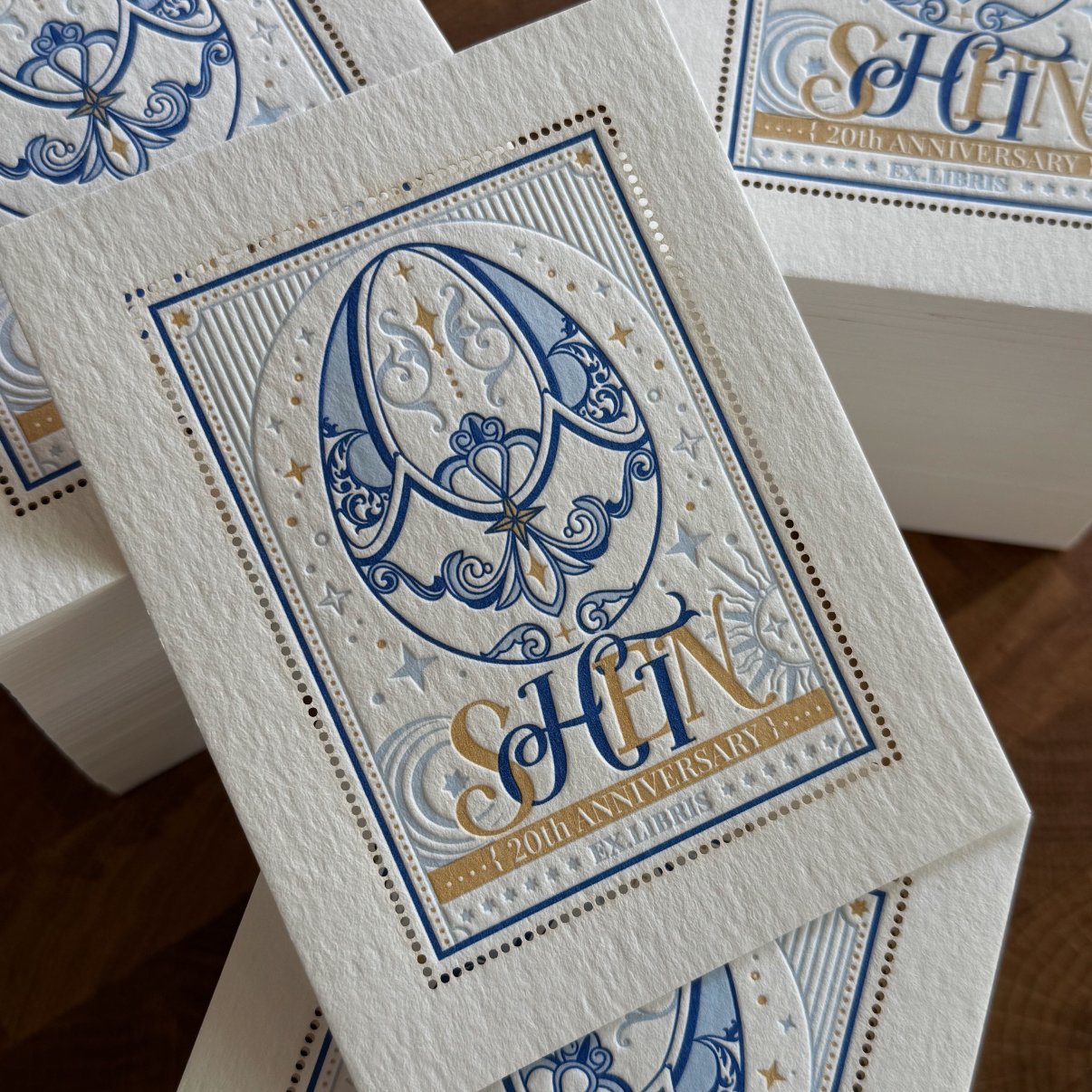
Stamp-Style Perforations
Closely spaced small holes can also be created around a defined area, producing an appearance similar to traditional postage-stamp perforation.
Besides providing a tear-away function, this technique can become a decorative element for premium boxes, cards, covers and specialty printed products.
Hole size, spacing and corner design need careful evaluation because excessively small perforations or narrow remaining areas can weaken the surrounding paper.
Continuous Creasing
Creasing does not cut completely through the paperboard. Instead, a creasing rule presses the board into a corresponding channel to form a controlled folding line.
Continuous creases can be straight or curved and are frequently used for carton panels, flaps and structural transitions.
Crease width and depth need to correspond to board thickness and characteristics. An unsuitable crease can result in poor folding, cracking or deformation.
Double Creasing
Thicker paperboard or structures requiring additional space around a fold may use two parallel crease lines rather than a single crease.
Double creasing gives the material additional room to turn around the fold and can be particularly useful where board thickness makes a conventional single fold too tight.
For some applications, the distance between the two crease lines may be approximately 1–2 mm, but this should not be treated as a universal specification. The appropriate spacing depends on material thickness, stiffness and the required folding structure.
Materials Commonly Used for Die Cutting
Die cutting can be applied to many packaging substrates, but tooling and process settings should be selected according to the actual material rather than assumed to work universally.
Common materials include:
- coated paper and paperboard
- kraft paper and kraft board
- specialty and textured papers
- corrugated board
- labels and adhesive materials
- selected plastic sheets and synthetic substrates
Paper thickness, density, coating, fiber direction and surface treatment can all influence cutting and creasing performance.
Kraft paper, for example, can be die cut into windows, structural shapes, sleeves and carton components, while heavier paperboard may require different cutting and crease specifications.
Why Paper Grain Matters
Paper grain direction becomes particularly important around folding areas.
When thick or coated paperboard is folded against an unsuitable grain direction, the surface can become more susceptible to cracking or produce an uneven fold.
Grain direction should therefore be considered together with board thickness, crease width and crease depth when developing the packaging structure.
This becomes especially important for premium cartons where exposed fold lines need to remain visually clean.
Common Die-Cut Packaging Applications
Folding Cartons
Die cutting creates the complete flat carton blank, including the outside profile, panels, flaps, locking structures and fold lines.
Window Boxes
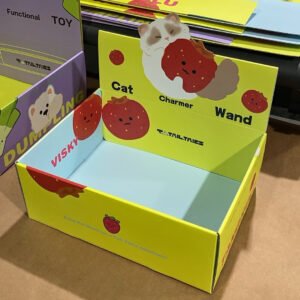
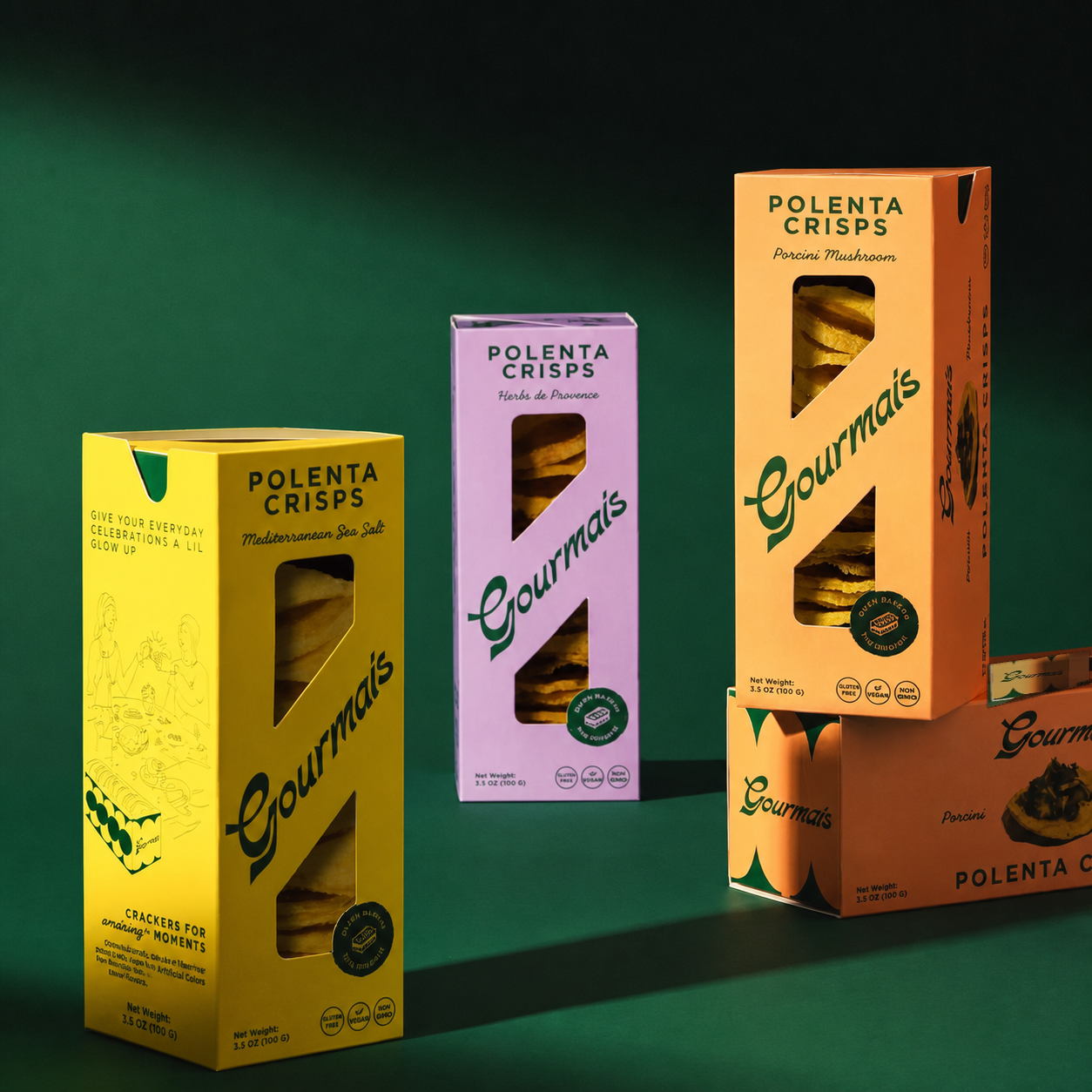
Selected areas of a carton can be removed to reveal the product inside or accommodate a transparent window.
Windows can be simple rectangles or circles, or they can follow custom shapes related to the product or brand design.
Custom-Shaped Packaging
Curves, shaped edges, display features, handles, locking tabs and unusual structural profiles can all be created through die cutting.
Packaging Inserts
Paperboard and corrugated inserts can be cut to hold products in defined positions inside a box.
Insert design needs to consider both the product dimensions and the dimensions of the outer packaging.
Sleeves
Die cutting defines the sleeve profile, openings, locking details and crease lines before folding or gluing.
Tear-Open and Detachable Structures
Tear lines, perforations and stamp-style perforations can create easy-open cartons, detachable panels, tear strips, promotional sections and other interactive structures.
Die Cutting vs. Laser Cutting
Conventional die cutting and laser cutting can both create custom shapes, openings and decorative cutouts, but they solve different production problems.
Traditional die cutting uses physical cutting rules mounted in a die board. It is highly efficient for repeated packaging structures, including carton profiles, windows, curved edges, tear lines, perforations and crease lines.
Once the tooling has been prepared, it is particularly suitable for medium- and high-volume production.
Laser cutting works differently. Instead of using a physical cutting die, a focused laser beam follows a digital cutting path to remove material.
This makes it possible to create very small openings, narrow gaps, intricate patterns and fine internal details that may be difficult or impractical to reproduce with conventional cutting rules.
For packaging designers, laser cutting is particularly useful when the cut pattern itself becomes part of the visual design. Fine geometric patterns, lace-like structures, detailed illustrations and decorative openings can create effects that are difficult to achieve with traditional flatbed or rotary die cutting.
Typical applications can include premium packaging, book covers, greeting cards, tea packaging, magazine inserts and cosmetic boxes.
When Should You Choose Laser Cutting Instead?
Choose conventional die cutting when the packaging primarily requires structural cutting, folding lines, windows, perforations or repeatable carton shapes, particularly for commercial production quantities.
Consider laser cutting when the design contains extremely fine patterns, small openings, narrow spacing or complex internal shapes that are difficult to manufacture reliably with conventional cutting rules.
Laser cutting should therefore be viewed as a specialized cutting method rather than simply a superior replacement for conventional die cutting.
For some premium packaging projects, the two processes can complement each other: conventional die cutting can create the main package structure and creases, while laser cutting produces selected decorative details.
For related laser processing applications, see our Laser Engraving guide.
What Determines Die-Cutting Cost?
Die-cutting cost is not determined by carton size alone. Tooling complexity, cutting length, material and production quantity can all significantly affect the final price.
| Cost Factor | How It Affects Cost |
|---|---|
| Die Size | Larger packaging structures generally require larger cutting dies and more tooling material |
| Cutting-Rule Length | Longer and more complicated cutting paths require more steel rule and more complex die preparation |
| Structural Complexity | Irregular shapes, multiple openings and intricate structures usually increase tooling complexity |
| Cutting & Creasing Features | Additional crease lines, perforations, tear lines and special rules can increase die-making cost |
| Material & Thickness | Different paperboards, kraft papers and corrugated materials may require different cutting and crease specifications |
| Production Quantity | The initial tooling cost is distributed across the order, so the tooling cost per unit generally decreases as quantity increases |
| Registration Requirements | Designs requiring precise alignment between printing and cutting may require tighter production control |
| Repeat Orders | If dimensions and structure remain unchanged, an existing die can often be reused, reducing tooling costs on future orders |
Practical point: A simple folding carton with a straightforward outline normally requires less expensive tooling than packaging containing multiple windows, perforations, tear lines and complex internal cuts.
Die Cutting and Production Quantity
The relationship between tooling cost and production quantity is important when comparing cutting methods.
Conventional die cutting requires an upfront die-making cost. For a very small production run, this fixed cost is distributed across relatively few packages and therefore has a greater impact on unit cost.
As quantities increase—or when the same die is reused for repeat orders—the tooling cost represents a much smaller proportion of the total production cost.
For prototypes or specialized short runs, digital cutting or laser cutting may sometimes be considered.
However, this does not mean laser cutting is automatically cheaper for small quantities. An intricate laser-cut pattern with a long cutting path can require considerable machine processing time.
The most economical solution therefore depends on quantity + structural complexity + material + cutting time + tooling requirements rather than quantity alone.
Artwork and Dieline Preparation
A production-ready packaging file should clearly distinguish structural information from printed artwork.
A typical dieline may identify:
- cut lines
- crease or fold lines
- perforation or tear lines
- windows and internal cutouts
- bleed areas
- glue areas
- finished dimensions
Structural lines should normally be created as vector paths and kept separate from printable artwork.
Important logos, text, barcodes and other critical elements should also maintain sufficient distance from cutting and folding areas to accommodate normal production tolerances.
If you do not already have a production dieline, the packaging structure can be developed after the product dimensions, box style, material and packing requirements have been confirmed.
Can Die Cutting Be Combined with Packaging Finishes?
Yes. Most premium paper packaging involves multiple printing, finishing and converting stages.
For example, a package may first receive lamination, UV coating or foil stamping before the printed sheet is die cut and creased into its final structural form.
Die cutting may also need to align accurately with embossing or debossing when dimensional elements are positioned close to structural edges.
The production sequence therefore needs to be planned before manufacturing begins.
For a broader overview of surface treatments and decorative processes that can be combined with structural converting, see our Packaging Finishes guide.
Sustainability and Material Efficiency
Die cutting itself does not determine whether packaging is sustainable, but structural design can have a meaningful effect on material efficiency.
A well-designed dieline can:
- reduce unnecessary paperboard usage
- improve sheet nesting
- reduce trim waste
- eliminate unnecessary packaging components
- optimize finished packaging dimensions
- create paperboard alternatives to certain plastic inserts
- improve transportation efficiency
However, an unusually shaped package can sometimes increase material waste if the blanks cannot be efficiently arranged on the production sheet.
Structural creativity should therefore be balanced with manufacturing and material efficiency.
The recyclability of the finished package also depends on the complete construction, including substrate, lamination, coatings, adhesives, windows, inserts and other components.
Common Die-Cutting Problems and How to Avoid Them
| Common Problem | Possible Cause | How to Reduce the Risk |
|---|---|---|
| Printing and Cutting Misalignment | Sheet movement, inaccurate registration or unstable production setup | Maintain controlled sheet positioning and sufficient tolerances between important artwork and cut edges |
| Cracking Along Fold Lines | Incorrect crease specification, thick/coated board or unsuitable paper grain direction | Match crease width and depth to the board and consider grain direction during structural design |
| Rough or Incomplete Cut Edges | Worn cutting rules, unsuitable tooling or material characteristics | Check die condition and select appropriate cutting rules for the substrate |
| Weak Tear Lines | Too much material removed or inappropriate perforation spacing | Adjust the cut-to-tie ratio according to material thickness and required tear strength |
| Tear Lines Are Difficult to Open | Too much uncut material between perforations | Modify perforation length and spacing after testing |
| Material Breaks Around Fine Cutouts | Openings are too close together or remaining bridges are too narrow | Increase spacing or simplify the cut pattern to maintain structural strength |
| Poor Folding After Creasing | Crease dimensions do not match board thickness | Adjust creasing rule and channel specifications before production |
| Position Shift During Production | Insufficient registration control or unstable sheet feeding | Maintain controlled feeding and registration rather than sacrificing accuracy for production speed |
For packaging with borders, windows or graphics positioned very close to the cutting line, registration tolerance should be considered during artwork and structural design rather than after production begins.
How to Specify Die Cutting When Requesting a Quote
The more complete the project information, the easier it is to evaluate tooling, material and production costs accurately.
| Information to Provide | Why It Matters |
|---|---|
| Finished Packaging Dimensions | Determines the overall structure and approximate die size |
| Packaging / Box Style | Helps determine the cutting and creasing configuration |
| Material & Thickness | Influences cutting rules, crease specifications and production feasibility |
| Order Quantity | Helps determine whether conventional die cutting or another cutting method is more economical |
| Artwork or Reference Design | Shows the relationship between graphics and structural cutting areas |
| Dieline, If Available | Allows direct evaluation of cutting length, crease lines and structural complexity |
| Windows & Custom Cutouts | Determines additional cutting requirements and structural limitations |
| Tear Lines / Perforations | Requires appropriate perforation-rule specifications |
| Special Creasing Requirements | Important for thick boards, double creases and unusual folding structures |
| Laser-Cut Details, If Required | Helps determine whether conventional die cutting, laser cutting or a combination is more appropriate |
If you do not have a finished dieline, that is not a problem. Product dimensions, packaging style, material preference, quantity and a reference image or artwork are usually enough for the packaging manufacturer to begin evaluating the structure.
Frequently Asked Questions
Do I need to provide a dieline, or can the packaging manufacturer create one for me?
You do not necessarily need to provide a finished dieline. If you already have one, it can be reviewed for production feasibility. Otherwise, a packaging manufacturer can develop the structural dieline based on your product dimensions, box style, material and packing requirements. Final artwork should normally be placed on the approved production dieline before printing.
How much does a custom cutting die cost, and what affects the tooling cost?
There is no universal die charge. Cost depends on the die dimensions, total cutting-rule length, structural complexity, number of cut and crease lines, perforations and other special features. A simple carton normally requires less expensive tooling than a large or intricate structure. For an accurate quotation, the finished dieline or structural specification should be evaluated first.
Can the same cutting die be reused for repeat orders?
Usually, yes. If the packaging dimensions, structure and cutting layout remain unchanged, the same die can normally be used again for repeat production. Changing only the printed artwork does not necessarily require a new cutting die. The tooling should nevertheless remain in suitable condition for reuse.
Is die cutting cost-effective for small quantities?
It depends on the structure and quantity. Conventional die cutting requires an upfront tooling cost, so the die charge can represent a relatively large portion of a very small order. For prototypes or specialized short runs, digital or laser cutting may sometimes be considered. For repeat and higher-volume production, conventional die cutting generally becomes more economical.
How thick a material can be die cut?
There is no single maximum thickness applicable to every die-cutting project. The practical limit depends on the substrate, density, machine, cutting-rule configuration and required shape. Paper, paperboard and many corrugated materials are routinely die cut, while unusually thick or specialized substrates should be evaluated before production.
Can die cutting and creasing be done at the same time?
Yes. In conventional packaging production, cutting rules and creasing rules can be installed in the same die. This allows the package outline and fold lines to be processed in the same operation. The crease specification should be matched to the board thickness and structure so the carton folds cleanly without excessive cracking or deformation.
What is the difference between die cutting and laser cutting for packaging?
Die cutting uses a physical tool containing steel cutting rules and is highly efficient for repeated packaging structures. Laser cutting follows a digital cutting path without a conventional cutting die and is particularly useful for intricate openings and decorative patterns. The best choice depends on design complexity, material, quantity, production speed and cost.
Can die cutting create perforations, tear lines and custom windows in packaging?
Yes. A die can incorporate different rule configurations to create windows, tear lines, perforations, detachable sections and custom openings in addition to the main packaging outline. These features should be planned during structural design because cut length, spacing and remaining material all influence package strength and opening performance.
Why do fold lines sometimes crack after die cutting and creasing?
Cracking can result from several factors, including board thickness, coating characteristics, paper grain direction, unsuitable crease dimensions and heavy ink coverage around the fold. Matching the crease specification to the material and considering grain direction during structural design can significantly improve folding performance.
Can one die cut be used for multiple designs or SKUs?
Yes, when the SKUs use exactly the same packaging dimensions and structural layout. Different colors, graphics, product names or printed artwork can often share the same cutting die. If another SKU changes the carton dimensions, window position, cutout or structural configuration, however, new or modified tooling may be required.
Is Die Cutting Right for Your Packaging?
Die cutting is the standard structural converting choice when paper or paperboard packaging needs to be produced repeatedly in a defined shape.
It is particularly suitable for folding cartons, custom-shaped packaging, windows, sleeves, inserts, tear-open structures, perforated sections and packaging requiring controlled folding.
For conventional structural packaging produced repeatedly, a physical cutting die generally provides an effective combination of repeatability, production speed and cost efficiency.
When a design requires extremely intricate openings or fine decorative patterns that exceed the practical limitations of steel cutting rules, laser cutting may be evaluated instead—or used together with conventional die cutting.
If you are unsure which cutting method, board specification or structural solution is appropriate for your packaging, contact Vigor Packaging with your product dimensions, quantity and artwork or reference design. We can evaluate the structure before tooling and production.