Holographic effects can give packaging a shifting, iridescent appearance that changes with light and viewing angle. From full-surface rainbow reflections to localized holographic logos and patterns, these effects are widely used when brands want packaging to attract attention, communicate a premium or futuristic identity, or create a more distinctive unboxing experience.
For packaging buyers, however, “holographic” does not describe one single production process. A holographic appearance may be created with holographic film, holographic lamination, holographic foil stamping, or other specialty optical materials.
The right solution depends on how much of the package should carry the effect, the desired pattern, substrate, packaging structure, quantity, budget, and whether the holographic element should be decorative, functional, or both.
Quick Answer: Holographic packaging uses microstructured optical materials that diffract and reflect light to create shifting colors, patterns, or dimensional visual effects.
For large or full-surface effects, holographic film or lamination is commonly considered. For localized logos, text, or decorative details, holographic foil stamping is often the more suitable option.
Holographic Packaging at a Glance
| Holographic Option | Coverage | Main Effect | Best For | Relative Cost |
|---|---|---|---|---|
| Holographic Film / Lamination | Large area or full surface | Continuous holographic pattern across the package | Rigid boxes, folding cartons, sleeves and high-impact packaging | $$–$$$ |
| Holographic Foil Stamping | Selected areas | Localized reflective holographic detail | Logos, text, borders, icons and decorative patterns | $$–$$$ |
| Holographic Paper / Board | Large or full surface | Holographic appearance integrated into the decorative substrate | Folding cartons, sleeves, cards and presentation packaging | $$–$$$ |
| Custom Holographic Pattern | Selected or large areas depending on process | Customized optical imagery or branded pattern | Premium, promotional and brand-specific packaging | $$–$$$ |
Cost symbols are relative only. Actual pricing depends on holographic material, coverage, pattern, tooling, substrate, packaging structure, quantity and additional finishing processes.
What Is a Holographic Effect in Packaging?
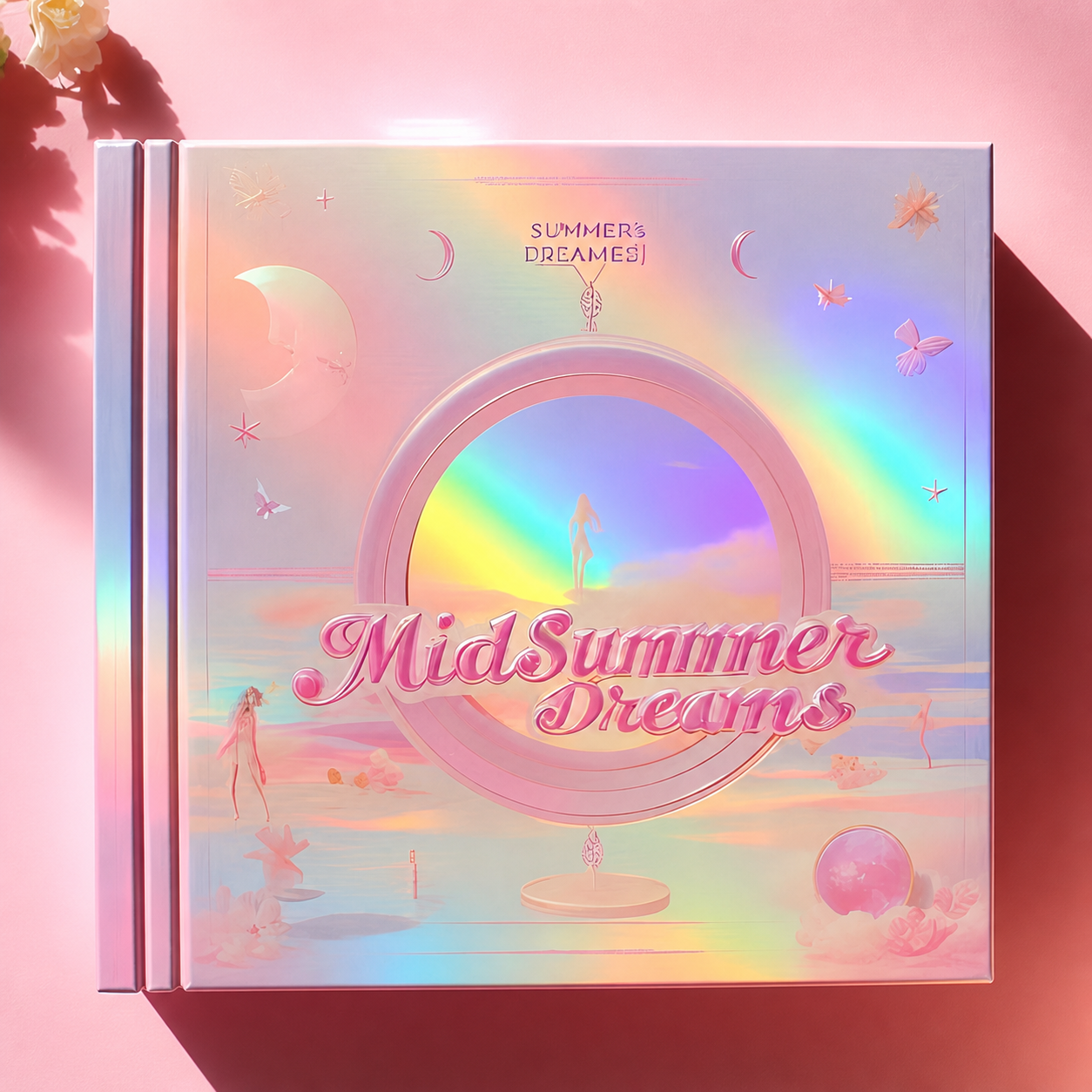
A holographic effect is an optical appearance created by microscopic surface structures that manipulate light.
Rather than relying only on printed pigments, these structures diffract incident light into different wavelengths and directions. As the package, light source, or viewer moves, the visible colors and patterns can change.
This is why holographic packaging may display:
- rainbow-like color shifts
- moving light patterns
- geometric reflections
- prismatic effects
- repeating holographic motifs
- apparent depth or dimensional effects
In the packaging industry, the Chinese term “镭射” is often used broadly for these effects. In international packaging terminology, however, holographic, holographic film, holographic foil, holographic lamination, or holographic paper are generally clearer descriptions than simply calling the process “laser.”
It should also not be confused with laser engraving, which uses laser energy to remove, mark, or modify material.
How Are Holographic Effects Created?
There are several ways to introduce holographic effects into packaging. The most appropriate method depends largely on whether the design requires full-area coverage or localized decoration.
Holographic Film and Lamination
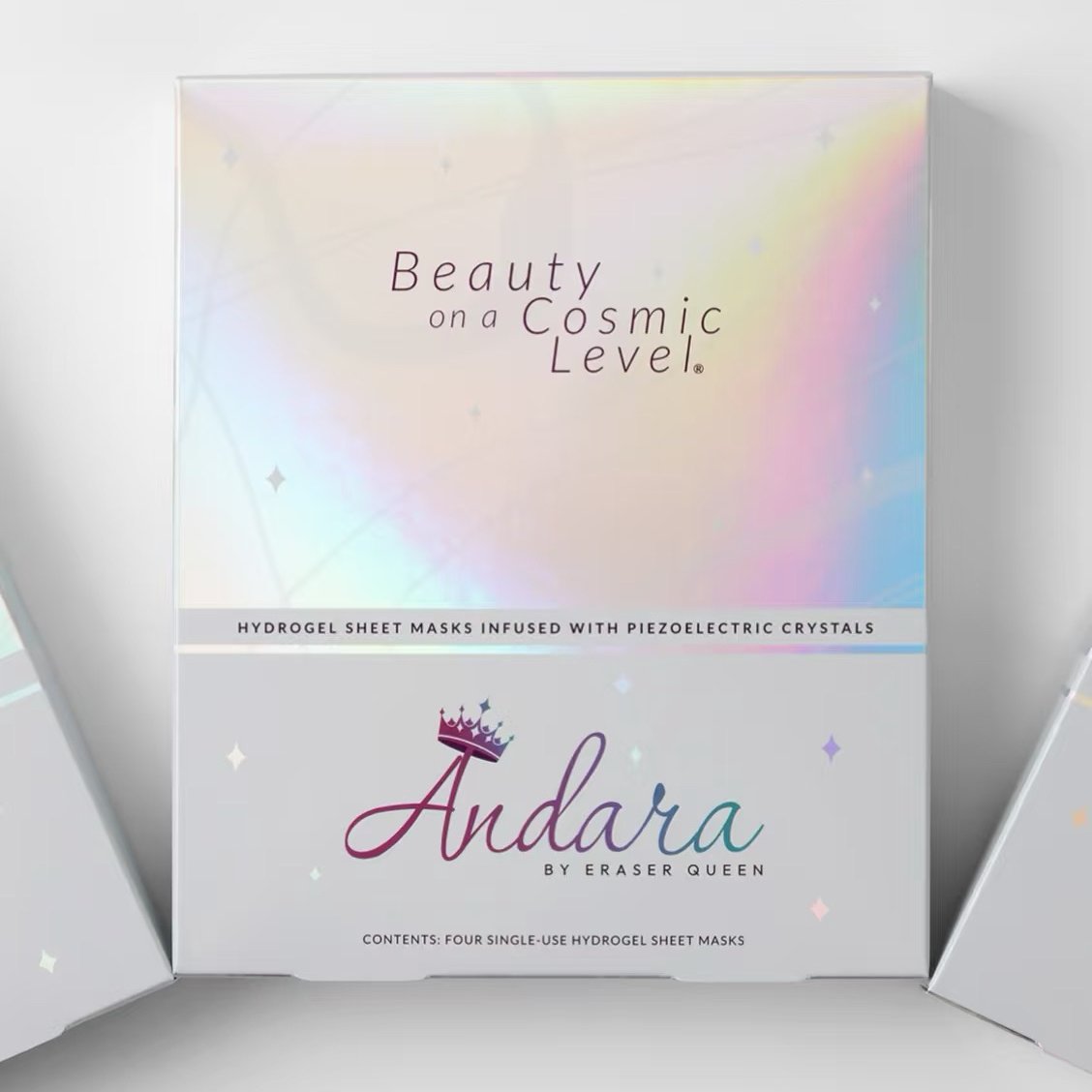
A holographic film contains microscopic optical structures that produce the characteristic shifting effect.
The film can be laminated to paper or paperboard, allowing a large portion—or potentially the entire visible surface—of the packaging to display the holographic pattern.
This makes it particularly suitable when holography is intended to become a dominant part of the packaging design.
Common applications include:
- rigid box wraps
- folding cartons
- sleeves
- cosmetic boxes
- fragrance packaging
- promotional packaging
- gift packaging
Holographic film can also be combined with printed graphics, allowing designers to selectively reveal or visually control the reflective substrate.
For more information about films and their role in packaging surfaces, see our Packaging Lamination guide.
Holographic Foil Stamping
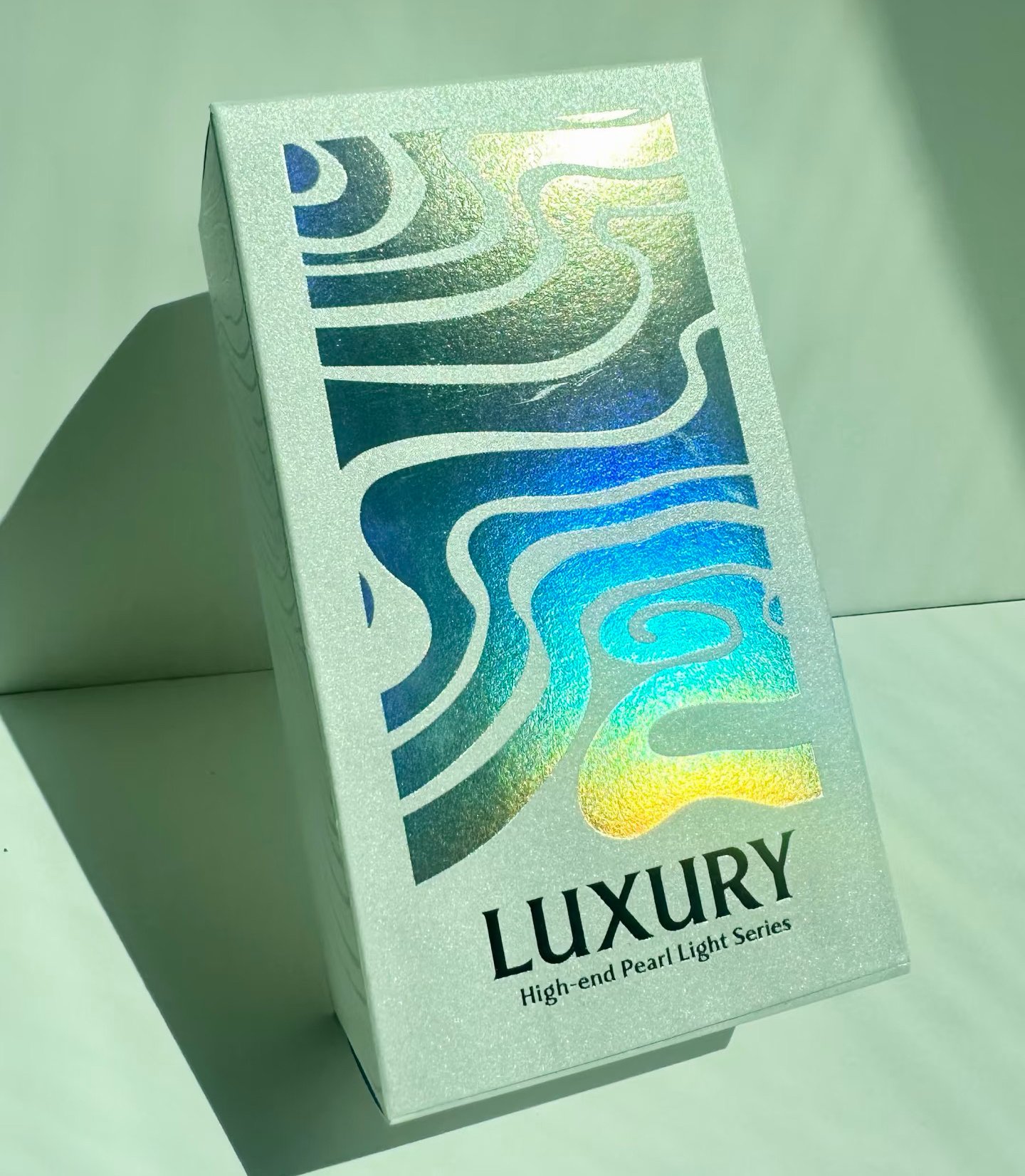
Holographic foil stamping transfers a selected holographic foil onto specific areas of the packaging using heat and pressure.
Instead of covering the whole package, it can highlight:
- logos
- brand names
- borders
- symbols
- patterns
- product names
- decorative illustrations
This makes holographic foil particularly useful when the optical effect should act as an accent rather than dominate the complete design.
Because the process is based on foil transfer, factors such as die design, stamping area, substrate and registration influence the result.
See our Foil Stamping guide for a more detailed explanation of the process.
Holographic films and foils belong to a broader family of specialty packaging processes that use material and optical technologies to create effects beyond conventional printing.
Holographic Paper and Paperboard
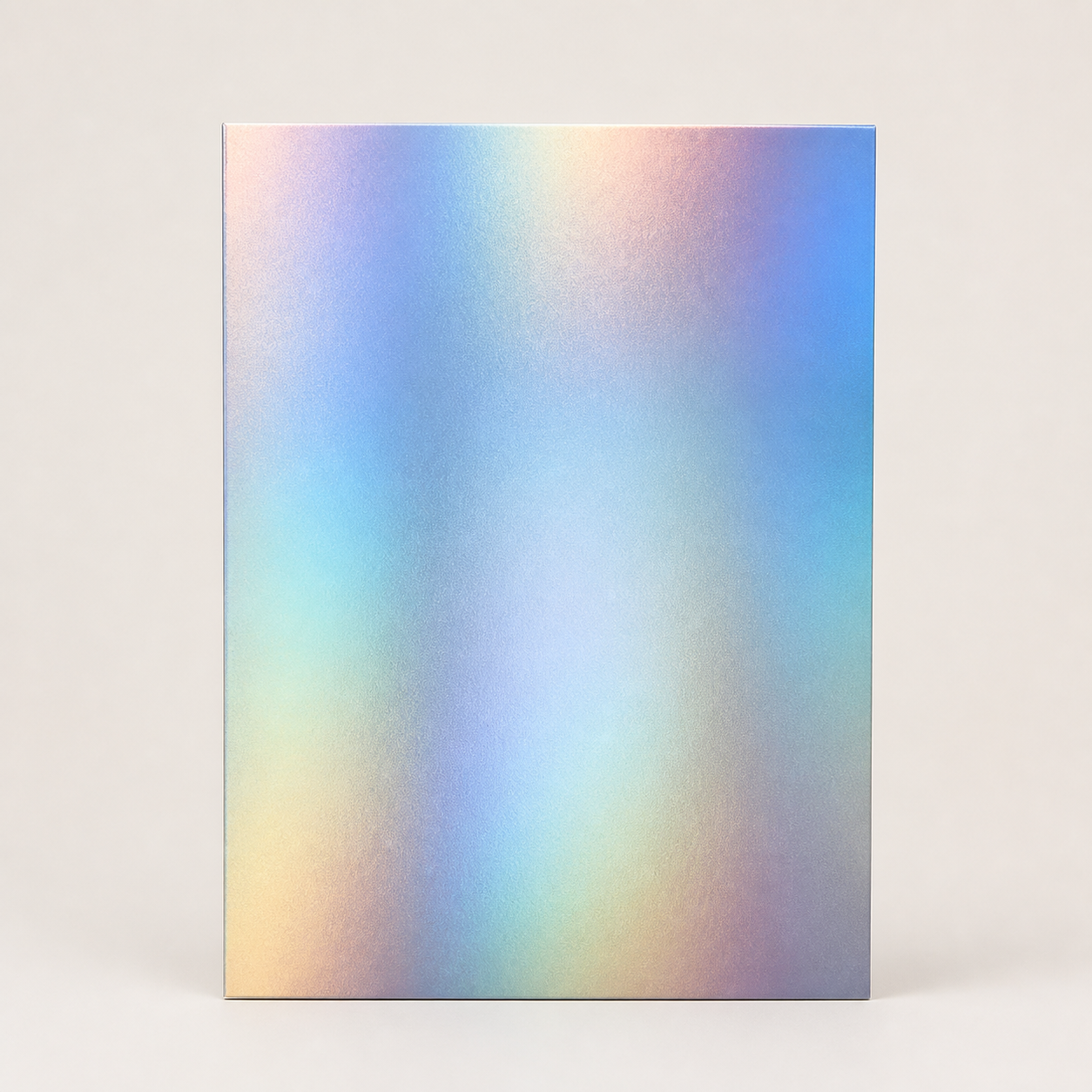
Another option is to use a paper or board material that already carries a holographic surface.
Depending on the material construction, this can provide a convenient base for subsequent printing and converting.
The holographic surface then becomes part of the overall graphic design rather than an effect applied only after conventional printing.
When using these materials, artwork should be designed around the reflective behavior of the substrate. Heavy opaque printing may conceal the holographic surface, while selective printing can allow the optical effect to remain visible.
Custom Holographic Patterns
Some projects require more than a standard rainbow, geometric, or repeating holographic pattern.
Customized holographic structures can incorporate branded motifs, logos, imagery, or security-related elements.
These solutions generally require more specialized development and may involve additional tooling, origination costs, higher MOQs, or longer production preparation.
For this reason, custom holographic effects are usually most appropriate when the optical design has significant branding, promotional, or authentication value.
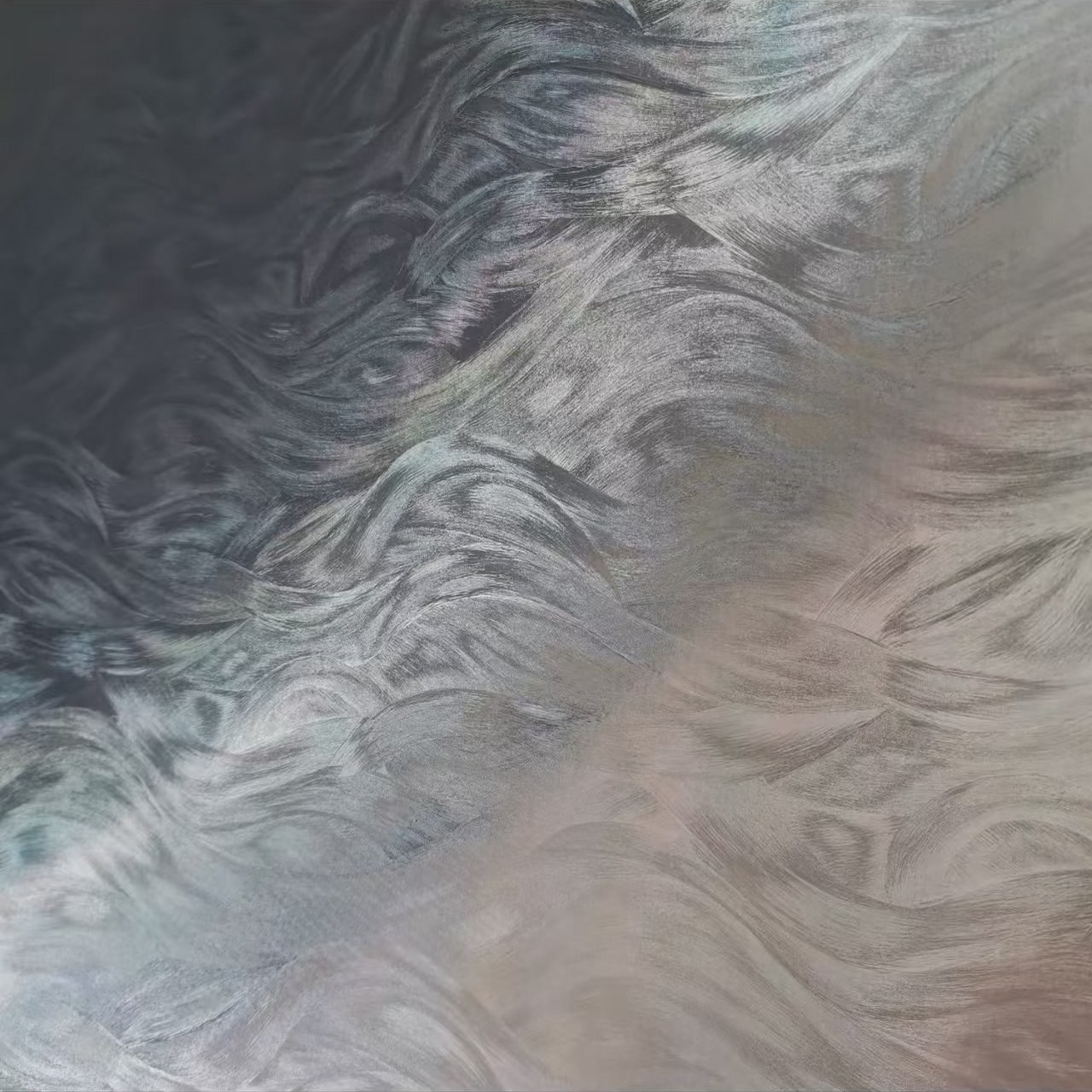
Holographic Film vs. Holographic Foil: What Is the Difference?
This is one of the most important decisions when developing holographic packaging.
| Factor | Holographic Film / Lamination | Holographic Foil Stamping |
|---|---|---|
| Coverage | Usually large-area or full-surface | Localized selected areas |
| Application Method | Film is laminated to the packaging substrate | Foil is transferred using heat and pressure |
| Visual Role | Can define the overall appearance of the package | Usually acts as a decorative highlight |
| Best For | Large holographic backgrounds and continuous patterns | Logos, text, borders and selected graphics |
| Tooling | Depends on material and converting process | Normally requires a stamping die |
| Design Flexibility | Printing can be layered over or combined with the holographic surface | Holographic effect follows the stamped artwork |
| Material Usage | Covers a larger surface area | Effect can be limited to selected areas |
| Related Process | Packaging lamination | Foil stamping |
A simple decision rule is:
Choose holographic film when the holographic surface is part of the overall packaging design. Choose holographic foil when the effect is intended to highlight selected graphic elements.
Holographic vs. Metallic Effects
Holographic and metallic finishes are sometimes grouped together because both reflect light, but their visual behavior is different.
A conventional metallic foil such as gold or silver generally produces a relatively consistent metallic reflection.
A holographic surface contains microscopic structures that cause the reflected appearance to change according to viewing angle and lighting.
Therefore:
Metallic foil → metallic shine
Holographic foil → shifting optical pattern + color change + reflection
Neither is inherently more premium.
Gold or silver foil may be better suited to restrained luxury packaging, while holographic effects can work particularly well for brands seeking a more dynamic, futuristic, playful, collectible, or high-impact identity.
Holographic Effects vs. 3D Lenticular Printing
These two effects are also easily confused because both change visually as the viewer moves.
However, they work on very different principles.
| Factor | Holographic Effect | 3D Lenticular Printing |
|---|---|---|
| Optical Principle | Microstructured surface diffracts/reflects light | Lenticular lenses direct different interlaced images to different viewing angles |
| Typical Appearance | Rainbow shifts, prismatic reflections and moving light patterns | 3D depth, flip images or apparent animation |
| Source Artwork | Pattern and finish design | Multiple images, viewpoints or animation frames |
| Lens Required | No lenticular lens | Yes |
| Best For | Reflective decorative impact | Image-based interaction and storytelling |
| Viewer Experience | Effect changes mainly with light and angle | Image content itself can change with viewing angle |
If the goal is shifting reflective color, holographic materials are generally more appropriate.
If the goal is to make one image switch into another, create visible depth, or simulate movement, 3D Lenticular Printing is the more relevant technology.
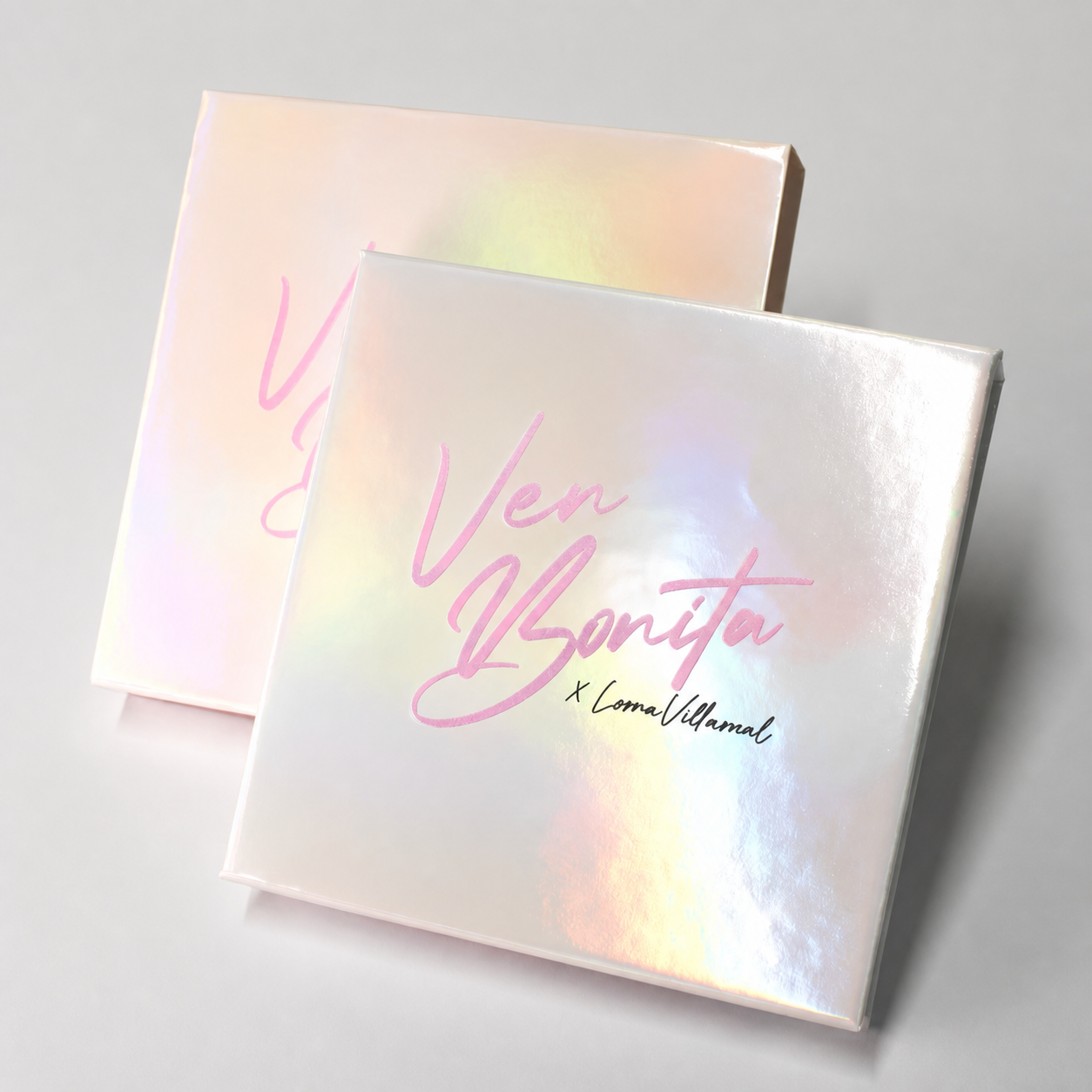
Where Are Holographic Effects Used in Packaging?
Holographic effects can work across a wide range of industries, but they are particularly effective when strong visual differentiation is important.
Cosmetics and Beauty
Holographic packaging is frequently associated with beauty, skincare, makeup, fragrance, and youth-oriented cosmetic brands.
The shifting surface can reinforce themes such as light, color, transformation, technology, or iridescence.
Fashion and Accessories
Fashion packaging can use holographic foil for logos or holographic film for more expressive seasonal and limited-edition designs.
Consumer Electronics
The futuristic optical appearance can complement electronics, gaming accessories, headphones, and technology-oriented products.
Toys and Collectibles
Changing reflections and rainbow effects can create strong shelf visibility and work particularly well for collectible, entertainment, and character-based packaging.
Promotional and Limited-Edition Packaging
Holographic materials can immediately differentiate a special edition from standard packaging without completely changing the underlying box structure.
Food and Beverage
Selected holographic details can be used on suitable secondary packaging, labels, sleeves, confectionery boxes, and promotional beverage packaging, subject to applicable material and food-packaging requirements.
Advantages of Holographic Packaging
Strong Shelf Impact
Holographic surfaces respond dynamically to environmental light, making the package visually change as consumers move past it.
Premium or Distinctive Appearance
When used selectively, holographic effects can create a sophisticated visual accent. When used extensively, they can establish a much more expressive brand identity.
Multiple Design Directions
The effect is not limited to a standard rainbow pattern.
Depending on material availability and production method, holographic designs may include geometric, linear, dot, wave, prism, star, or customized patterns.
Works with Other Finishes
Holographic elements can be combined with other packaging finishes to create contrast between reflective, matte, tactile, and dimensional surfaces.
Potential Brand and Security Functions
Custom holographic structures can potentially serve purposes beyond decoration, including brand differentiation and certain authentication or anti-counterfeit applications.
However, a decorative holographic pattern should not automatically be treated as a security feature. Genuine security applications require appropriate technology and system design.
Limitations and Design Considerations
More Holographic Coverage Is Not Always Better
A full holographic surface can be visually powerful, but it can also compete with typography, product information, and brand graphics.
For luxury packaging in particular, a smaller controlled holographic area may sometimes create a more refined result.
Lighting Changes the Appearance
The effect depends heavily on the direction and intensity of light.
A design that looks dramatic under one lighting condition may appear more subtle under another.
Physical samples should therefore be evaluated under realistic retail and indoor lighting.
Fine Text Needs Careful Planning
Highly reflective backgrounds can reduce text contrast.
Important product information should maintain sufficient readability rather than relying solely on visual impact.
Printing Over Holographic Surfaces Requires Planning
Transparent, translucent, and opaque inks interact differently with a reflective substrate.
White ink or an opaque base layer may be required when certain printed colors need to appear more stable and less influenced by the holographic background.
Folding and Creasing Must Be Considered
When holographic material covers folding cartons or wrapped rigid boxes, folds, edges, adhesive areas, and converting requirements should be considered during structural development.
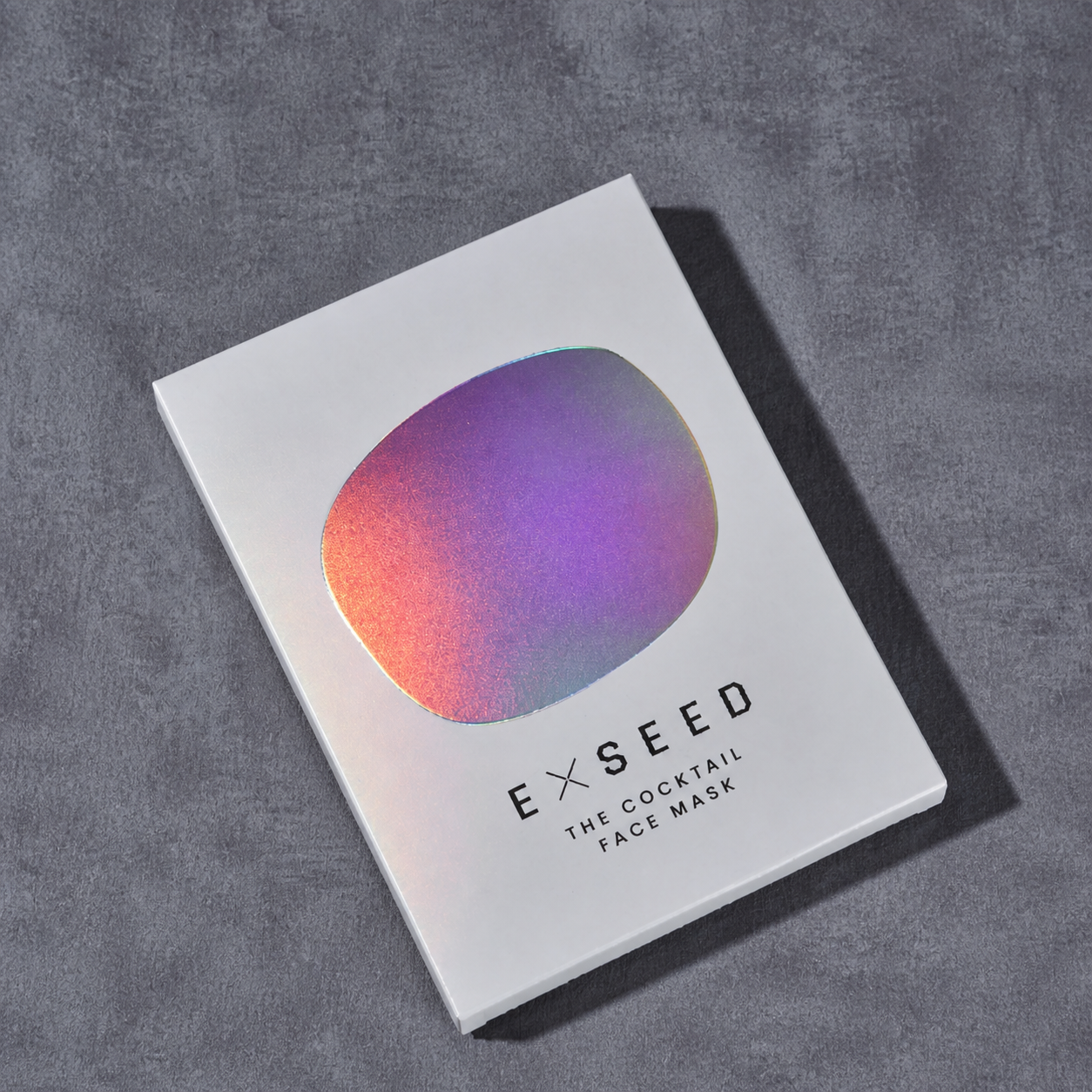
Can Holographic Effects Be Combined with Other Packaging Finishes?
Yes, and selective combinations can produce particularly strong results.
Holographic + Embossing
Embossing can add physical depth to a holographic logo or surrounding design, combining optical movement with tactile relief.
Holographic + Debossing
Debossing can create a recessed element that contrasts with a reflective holographic surface.
Holographic + Spot UV
A holographic substrate can be combined with UV coating in selected areas to introduce additional gloss or surface contrast, subject to material and adhesion compatibility.
Holographic + Matte Surface
One particularly effective design approach is to contrast a highly reflective holographic element with a restrained matte surrounding surface.
The contrast can make the holographic feature more noticeable without requiring it to cover the entire package.
As with other multi-process packaging designs, material compatibility, production sequence, registration, and adhesion should be evaluated before mass production.
What Determines the Cost of Holographic Packaging?
Holographic packaging does not have a meaningful universal price per piece because different methods have very different cost structures.
| Cost Factor | How It Affects Price |
|---|---|
| Holographic Method | Film lamination, foil stamping, holographic board and custom holography have different production structures |
| Coverage Area | Full-surface holographic material generally uses more material than a localized accent |
| Standard vs. Custom Pattern | Existing patterns are generally simpler than custom holographic origination |
| Foil Stamping Die | Local holographic foil applications may require dedicated tooling |
| Substrate | Paper, paperboard and specialty materials affect processing requirements |
| Printing Over Holographic Material | White ink, opaque layers or additional colors may add production stages |
| Packaging Structure | Folding cartons, rigid boxes and sleeves require different converting and assembly processes |
| Quantity | Setup and tooling costs can be distributed across larger production runs |
| Additional Finishes | Embossing, UV coating and other effects add separate production stages |
For buyers comparing holographic film and foil, cost should therefore be evaluated together with coverage area and design purpose, rather than simply asking which material is cheaper.
Does Holographic Packaging Affect MOQ and Lead Time?
It can.
Projects using an existing holographic film or foil pattern may be relatively straightforward when the material is readily available.
Custom holographic patterns generally require more development.
Depending on the specification, the production workflow may involve:
Artwork → Material Selection → Holographic Pattern Confirmation → Printing → Lamination or Foil Stamping → Additional Finishes → Die Cutting → Assembly
Custom materials, special colors, tooling, sampling, and complex finishing combinations can therefore increase both MOQ and lead time.
If the launch date is important, the holographic effect should be selected early in the packaging development process.
Sustainability Considerations for Holographic Packaging
The environmental profile of holographic packaging depends strongly on how the effect is produced.
A holographic film laminated over paperboard creates a multi-material structure that may be more difficult to recycle than an untreated paper package.
Localized holographic foil uses the effect only in selected areas, but its recyclability still depends on the complete packaging construction, foil system, substrate, adhesives, coatings, and local recycling infrastructure.
For projects where material reduction is a priority, one strategy is to use holographic effects selectively rather than automatically applying them over the entire package.
Questions worth considering include:
- Is full-surface holographic coverage necessary?
- Could a smaller holographic logo or pattern achieve the same visual impact?
- Is the holographic component separable?
- Are additional plastic films required?
- What recycling infrastructure exists in the target market?
- Can the packaging structure be simplified?
Sustainability should be evaluated at the complete package level, rather than assuming that one holographic method is automatically sustainable or unsustainable.
Why Physical Samples Matter
Holographic packaging is highly dependent on light, viewing angle, substrate, pattern scale, and surrounding colors.
Digital artwork cannot accurately reproduce the final optical behavior.
A physical sample helps evaluate:
- holographic pattern
- color shift
- reflectivity
- logo visibility
- text readability
- foil registration
- printed color appearance
- contrast with matte areas
- folding and edge performance
- overall packaging balance
For custom holographic patterns or important brand launches, physical approval before mass production is strongly recommended.
How to Choose the Right Holographic Effect
| If Your Goal Is… | Usually Consider |
|---|---|
| Create a full holographic background | Holographic Film / Lamination |
| Add a holographic logo | Holographic Foil Stamping |
| Highlight selected text or patterns | Holographic Foil Stamping |
| Make most of the carton holographic | Holographic Paper / Film |
| Combine holography with printed graphics | Holographic Film / Paper + Printing |
| Create a branded optical pattern | Custom Holographic Pattern |
| Reduce holographic material coverage | Localized Holographic Foil |
| Create image-changing animation | 3D Lenticular Printing rather than conventional holography |
A useful rule is:
Use holographic film when holography is part of the overall surface design; use holographic foil when it should function as a controlled highlight.
What Information Should You Provide for a Holographic Packaging Quote?
To recommend a suitable process and prepare an accurate quotation, provide as much of the following information as possible:
| Information | What to Provide |
|---|---|
| Packaging Type | Rigid box, folding carton, sleeve, paper bag or other structure |
| Dimensions | Finished length × width × height |
| Quantity | Estimated order volume |
| Desired Effect | Full holographic surface, holographic logo, pattern, rainbow effect, etc. |
| Coverage Area | Full surface or approximate localized area |
| Artwork | AI, PDF or other available design files |
| Holographic Pattern | Standard pattern, reference image or custom requirement |
| Base Material | Paper, paperboard or other substrate if known |
| Additional Printing | CMYK, Pantone, white ink or other graphics |
| Other Finishes | Foil, embossing, debossing, UV coating, lamination, etc. |
| Project Requirements | Target budget, launch date and sustainability requirements |
If you do not know whether holographic film or foil is more appropriate, the artwork and desired visual result are usually enough to begin the evaluation.
Frequently Asked Questions
What is the difference between holographic foil and holographic film?
Holographic foil is generally used to create localized effects such as logos, text, borders or decorative patterns. It is transferred onto selected areas of the packaging using a foil application process. Holographic film is more commonly used when a larger or continuous surface needs the holographic appearance, often by laminating the film to paper or paperboard. A simple rule is: use holographic foil for selected highlights and holographic film for larger-area effects.
How is the holographic effect created on packaging?
There is no single holographic packaging process. The effect can be created using holographic film lamination, holographic foil stamping, holographic paper or board, and custom holographic materials. The appropriate method depends primarily on the desired coverage, artwork, substrate, packaging structure, quantity, and whether the holographic effect is decorative or also serves an authentication function. Holographic foil itself uses microstructured surfaces that diffract light to create the characteristic changing appearance. Source: Vigor Packaging.
Can you print over holographic material?
Yes, but printing over a holographic surface requires careful artwork and ink planning. Transparent or translucent inks can allow the holographic effect to remain visible through the printed color, while opaque white or other opaque inks can be used to block the holographic effect where stable colors or stronger contrast are required. Some holographic paperboard systems are specifically designed for overprinting. Physical testing is recommended because the reflective substrate can significantly change how printed colors appear. Source: K Laser Technology CFBU.
Can a holographic effect be customized with a brand logo or pattern?
Yes. A brand logo can be applied using holographic foil, while more specialized projects can use custom holographic patterns or registered holograms incorporating proprietary imagery or branding. Custom holographic origination generally involves more development, higher setup costs, longer lead times, and potentially higher minimum quantities than selecting an existing stock holographic pattern. Sources: Vigor Packaging and Liang Yu Foil.
Is holographic packaging expensive?
It is generally more expensive than standard printing alone, but cost varies substantially according to the method. A small holographic foil logo and a full-surface holographic laminated box have very different cost structures. Important factors include coverage area, holographic material, standard versus custom pattern, tooling, substrate, printing, packaging structure, quantity, and additional finishes. Custom holographic patterns can add significant origination and development costs compared with readily available stock patterns. Source: Liang Yu Foil.
What is the minimum order quantity for holographic packaging?
There is no universal MOQ. The minimum quantity depends on whether the project uses a stock holographic foil or film, custom holographic material, packaging structure, dimensions, printing requirements, and production method. Standard patterns are generally easier to source for lower-volume projects, while fully customized holographic patterns can require higher minimum material quantities because of the additional origination and manufacturing requirements. For an accurate MOQ, the supplier needs to review the complete packaging specification. Source: Liang Yu Foil.
Is holographic packaging recyclable?
It depends on how the holographic effect is produced and on the complete packaging structure. A paperboard package with a thin transferred foil layer is structurally different from paperboard laminated with a plastic holographic film. Some newer holographic paperboard systems are specifically engineered to remain repulpable without a traditional laminating film. Therefore, a package should not be described as recyclable simply because it uses—or does not use—a holographic effect. The substrate, film, foil, adhesive, coatings, other components, and local recycling infrastructure all need to be considered. Source: K Laser Technology CFBU.
What is the difference between holographic and iridescent effects?
Both can appear to change color with light and viewing angle, which is why the terms are often confused. Holographic effects typically rely on microscopic diffractive structures that create recognizable spectral colors, reflections, and patterns. Iridescent is a broader description of a surface whose perceived color changes with viewing angle or illumination and does not necessarily mean that the material uses the same holographic structure. For packaging buyers, it is better to provide a physical reference, material swatch, or effect image rather than relying only on terms such as “holographic,” “rainbow,” or “iridescent.”
Is holographic foil scratch-resistant?
Properly applied holographic foil can withstand normal packaging handling, but it should not automatically be considered scratch-proof. Durability depends on the foil formulation, substrate, surface finish, stamping conditions, abrasion, transportation, and how the finished boxes are packed. For packaging that will experience frequent rubbing or demanding transport conditions, a finished physical sample should be tested before mass production. Source: Vigor Packaging.
Can holographic effects be combined with other packaging finishes?
Yes. Holographic effects can be combined with other finishing processes to create both optical and tactile contrast. For example, holographic foil can be combined with embossing to create reflective graphics with physical relief, while selective UV effects or matte surrounding surfaces can create additional contrast. Current holographic packaging applications increasingly combine holographic and tactile effects for this reason. However, material compatibility, registration, adhesion, and production sequence should be tested before mass production. Source: Liang Yu Foil.
Is a Holographic Effect Right for Your Packaging?
Holographic effects are worth considering when the packaging needs more than conventional metallic reflection and the changing optical appearance supports the brand concept.
Choose holographic film or lamination when a large portion of the packaging should carry a continuous holographic surface.
Choose holographic foil stamping when the effect should be limited to logos, text, borders, or selected decorative graphics.
Consider custom holographic patterns when the optical design itself has important branding, promotional, collectible, or authentication value.
For more restrained premium packaging, a localized holographic detail may create stronger visual hierarchy than covering the entire package.
Not sure whether holographic film, holographic foil, or another finish is right for your design? Contact us to discuss your artwork, packaging structure, desired holographic effect, quantity, and project requirements with our team.