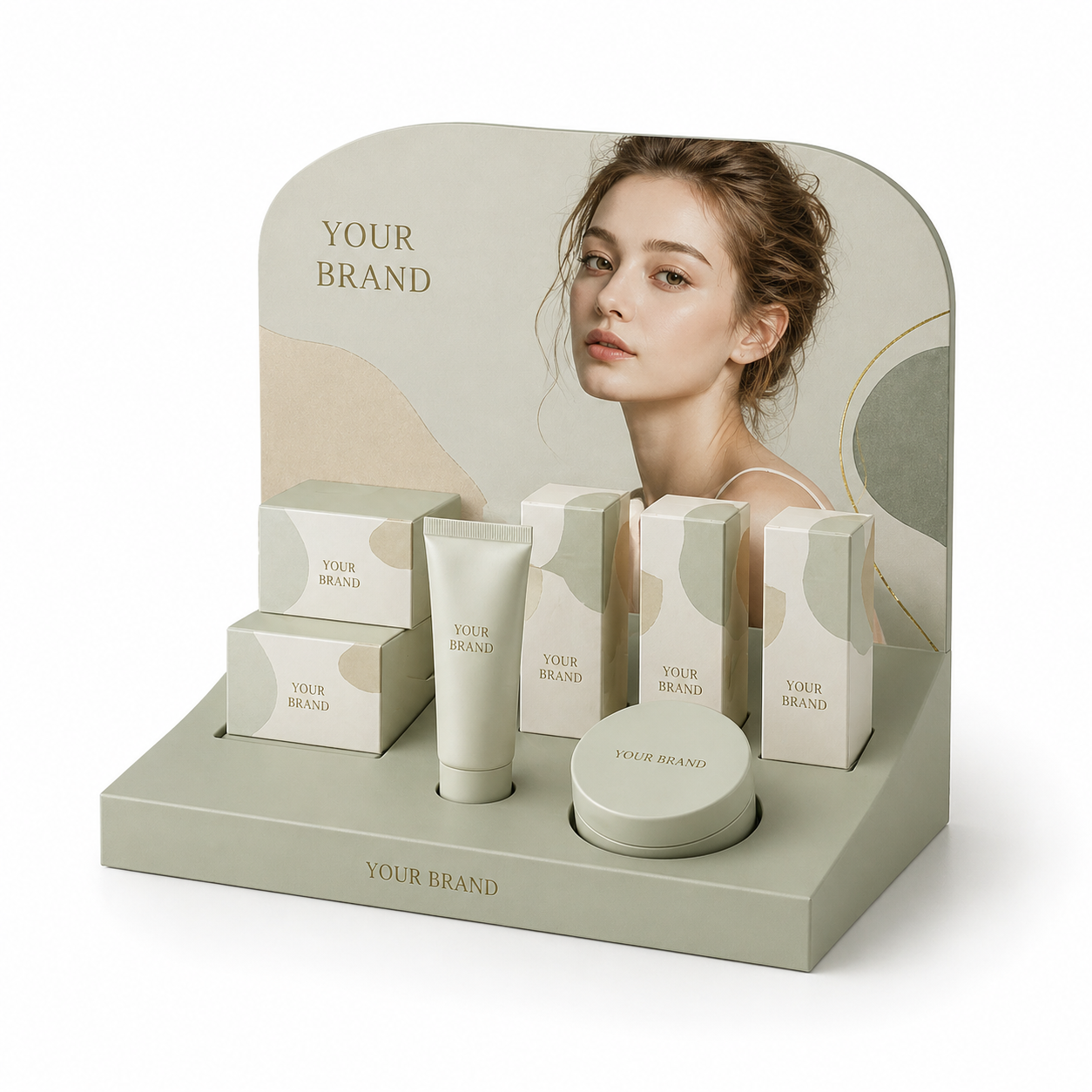
Our custom display boxes combine premium brand elevation with exceptional structural protection and high-visibility retail marketing. Featuring a clever dual-purpose transit-to-display layout, easy-to-assemble perforated pop-up header cards, and an open-front silhouette, these premium packaging solutions are crafted for brands looking to maximize shelf-space impact and drive spontaneous point-of-purchase (POP) sales. With fully customizable corrugated paperboard or heavy-duty cardstock materials, bespoke dimensions, and high-end surface finishes, we bring your design vision to life with factory-direct efficiency.
Customization Features | Service Availability |
|---|---|
Free Dieline | ✔ Available (Free custom dielines designed precisely based on your product dimensions) |
Graphic Design | ✔ Available (Tailored structure & artwork layout based on client requirements) |
Material Customization | ✔ Available (Eco-friendly greyboard, Corrugated board, Art paper, White cardstock, Metallic cardstock, Kraft paper, etc.) |
Custom Luxury Surface Finishes | ✔ Available (Glossy/Matte/Soft Touch Lamination, Spot UV, Hot Foil Stamping in Gold/Silver/Laser effects, Embossing, Debossing, etc.) |
CMYK / Pantone / Spot Color | ✔ Available (Supports CMYK, Pantone, or CMYK + Pantone combination) |
Size & Dimensions Customization | ✔ Available (Fully customizable based on your product dimensions) |
Interior Lining Customization | ✔ Available (Custom inner paper trays, thermoformed blister inserts, EVA foam, shaped cardboard dividers, or molded pulp) |
Custom Packaging Requirements | ✔ Available (Custom polybags, barcode labels, hangtags, or outer cartons) |
Versatile Application Scenarios
Designed with maximizing retail visibility and sales velocity in mind, these premium display PDQ boxes adapt perfectly to a variety of commercial and checkout counter uses:
Cosmetics & Beauty Care: Ideal as high-impact counter displays or shelf organizers for lip balms, essential oil roll-ons, hand creams, face masks, and premium makeup testers, inviting customers to touch and try.
FMCG & Retail Snacks: Perfect for sleek, presentation-focused direct-to-consumer delivery or retail checkout placement that ensures an exceptional, professional unboxing and stocking experience for protein bars, chocolates, energy drinks, and premium tea boxes.
Vitamins, Supplements & Novelties: Highly customizable for promotional merchandise, blister packs, keychains, electronic accessories (like charging cables), and brand anniversary special edition retail product launches.
View more products in our [Custom Gift Boxes] category.
Frequently Asked Questions About Custom Display Boxes
What is a custom display box?
A custom display box is a retail-ready package designed to hold and present several products on a countertop, checkout area or store shelf.
It may also be called a PDQ display, counter display unit, CDU or shelf-ready display. Common applications include cosmetics, snacks, supplements, small electronics, accessories, blister packs and promotional products.
What is the difference between a display box and a dispenser box?
A display box normally keeps several products visible and accessible from an open front or top. A custom dispenser box controls how products are removed, often allowing customers to take one item at a time through a lower opening.
Display boxes are appropriate when visibility and easy browsing are priorities. Dispenser boxes are more suitable for small, stacked products that need controlled access.
Can the shipping box convert into a retail display?
Yes. A transit-to-display structure can be shipped closed and converted at the store by removing a perforated panel, opening the front or raising a printed header card.
The conversion process should be simple and should not require tools. Perforations must remain secure during transportation but tear cleanly at the retail location, so production samples should be tested using the final packed products.
How do I determine the correct display box dimensions?
Provide the dimensions and weight of each retail unit, the number of units per display and their intended arrangement. Space should also be allowed for loading, easy product removal and any internal dividers.
The display should fit the intended shelf or counter area without wasting space. Retailer-specific limits for width, depth, height, shelf loading and barcode placement should be confirmed before the dieline is finalized.
How high should the front wall and header card be?
The front wall should be high enough to retain the products but low enough to show the primary branding and allow easy removal. The correct height depends on the product’s center of gravity, shape and how much of the package should remain visible.
A header card provides additional branding above the products, but it must fit the available shelf height and remain stable. Important text should not be placed across folds, perforations or areas hidden by the products.
How do you prevent products from falling or leaning inside the display?
Paperboard dividers, stepped platforms, fitted cells, retaining rails and internal trays can keep products upright and consistently positioned.
The solution depends on the product dimensions, weight distribution and how the display empties over time. Testing should include a partially filled display because products may become less stable after customers remove several units.
Which materials are suitable for retail display boxes?
Corrugated board is suitable for heavier products, larger displays and transit-to-display structures. White cardstock, kraft paper and other paperboards may be appropriate for smaller and lighter countertop displays.
The board grade should be selected according to the total packed weight, display dimensions, stacking conditions and expected time on the shelf. Structural performance should be tested with the complete product load.
Can display boxes be used for food, cosmetics and supplements?
Yes, display boxes can hold individually packaged food, cosmetic and supplement products. The display itself is normally secondary packaging and does not directly contact the food or formula.
If an internal tray or liner will touch an unpackaged product, direct-contact materials and destination-market requirements must be confirmed separately. The brand is responsible for supplying and approving required warnings, product information and regulatory text.
Can display boxes be printed and supplied flat?
Yes. Many display boxes can be supplied flat to reduce storage and shipping volume and then assembled before filling. The assembly process, glue areas, perforations and pop-up header should be tested before mass production.
Printing may include CMYK, Pantone, offset, UV and screen printing. Finishes such as foil stamping, embossing, spot UV and lamination may also be available. Our custom packaging finishes guide explains their effects and cost considerations.
Shelf labels, promotional cards and logo stickers can be coordinated through our custom packaging accessories collection.
What are the MOQ, price, sample cost and production lead time?
Our standard MOQ is generally 1,000 pieces per design. Unit prices start from approximately US$1.00, but actual pricing depends on the dimensions, board material, product capacity, dividers, perforations, printing and finishes.
Custom samples normally take 3–7 working days and start from approximately US$60. Mass production normally takes approximately 20–30 working days after sample and artwork approval. You can contact our packaging team with your retail product and display requirements for an accurate quotation.