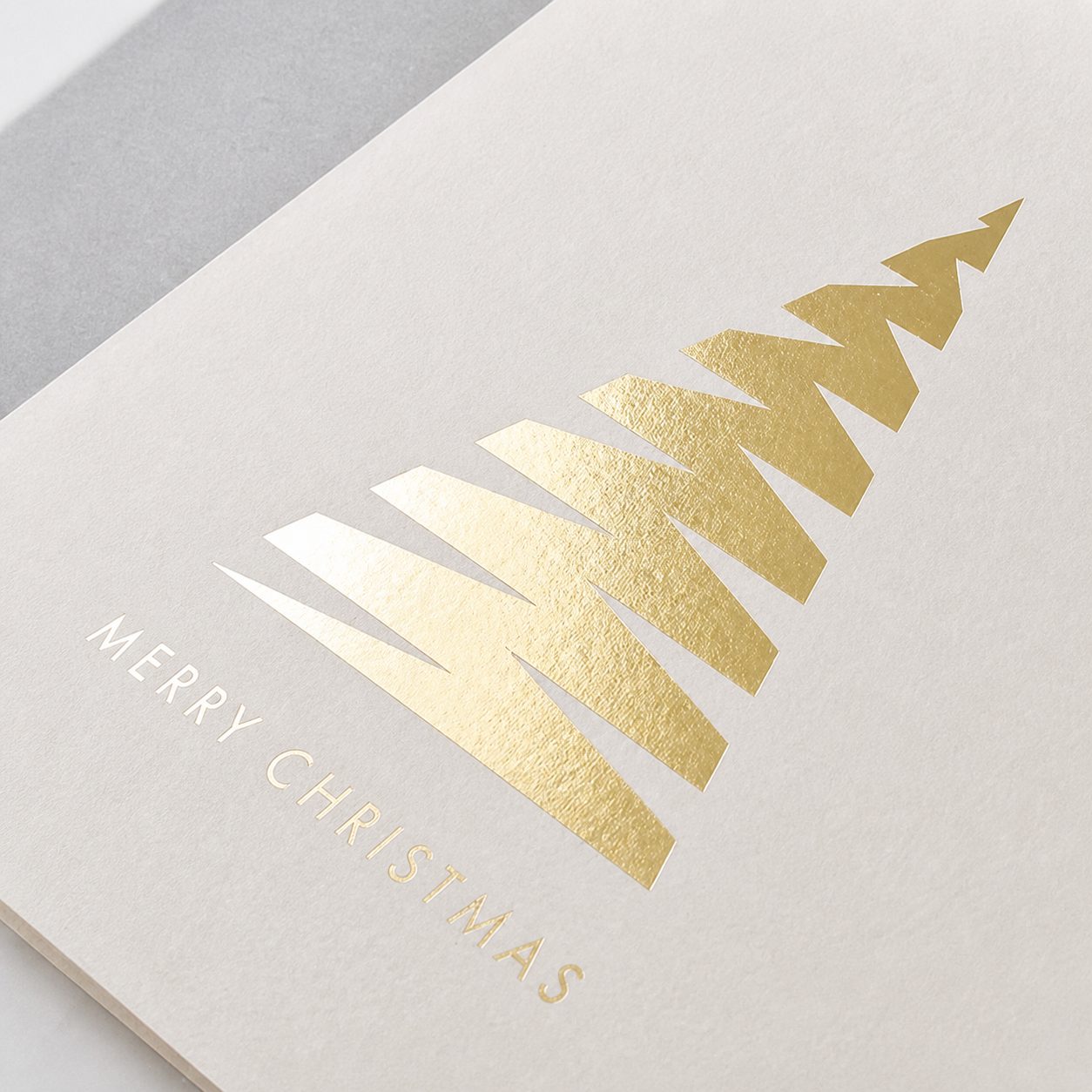
Foil stamping for packaging transfers a thin decorative layer onto paper, paperboard or another substrate to create metallic, colored, holographic or specialty effects.
Traditional hot foil stamping uses a heated die and pressure to transfer the foil to selected areas. Related options include cold foil transfer, digital foil, pigment foil, holographic foil and combination foil embossing.
Choose foil stamping when a logo, product name, border or decorative pattern needs a sharper and more reflective appearance than ordinary metallic ink. The most suitable process depends on the artwork, substrate, foil area, production quantity, budget and required tactile effect.
Foil Stamping for Packaging at a Glance
| Foil Type or Process | Main Effect | Main Benefit | Best Suited To | Relative Cost |
|---|---|---|---|---|
| Hot foil stamping | Crisp metallic or colored detail | Strong gloss and premium definition | Logos, text, borders and decorative patterns | $$ |
| Metallic foil | Gold, silver, copper or colored metallic reflection | Creates a true metallic appearance | Luxury boxes, cosmetics, perfume and gifts | $$ |
| Pigment foil | Solid non-metallic color | Produces opaque color without metallic reflection | Logos, text and dark-colored packaging | $$ |
| Holographic foil | Rainbow, diffraction or image-changing reflection | Creates high-impact visual and security effects | Limited editions, beauty and promotional packaging | $$–$$$ |
| Transparent foil | Clear gloss, matte or tinted effect | Adds subtle contrast without metallic color | Minimalist packaging and tone-on-tone details | $$ |
| Cold foil transfer | Thin metallic layer that can be overprinted | Supports fine detail and large metallic areas | Folding cartons, labels and high-volume packaging | $$–$$$ |
| Digital foil | Foil transferred without a conventional metal die | Suitable for short runs and variable details | Prototypes, personalization and limited editions | $$–$$$ |
| Foil embossing | Metallic foil combined with raised or recessed relief | Adds both reflection and tactile depth | Premium rigid boxes and luxury presentation packaging | $$$ |
Relative cost is a general comparison. Actual pricing depends on tooling, foil area, foil type, number of colors, substrate, order quantity, registration requirements and production method.
What Is Foil Stamping?
Foil stamping is a dry-transfer finishing process. Instead of printing metallic particles suspended in ink, it transfers a prepared decorative layer from a carrier film onto selected areas of the packaging.
A typical hot-stamping foil consists of several functional layers:
A removable carrier film
A release layer
A color, pigment or metallic layer
A protective layer where required
A heat-activated adhesive layer
During hot foil stamping, a heated die presses the foil against the packaging surface. Heat and pressure activate the adhesive and release the decorative layer from the carrier.
Only the selected design transfers to the packaging. The carrier film is removed after stamping.
Foil stamping is commonly used on:
Folding cartons
Rigid boxes
Cosmetic packaging
Perfume boxes
Skincare packaging
Jewelry boxes
Chocolate and confectionery packaging
Wine and spirits packaging
Shopping bags
Book-style boxes
Presentation folders
Product-launch kits
Hang tags and packaging sleeves
How Does Hot Foil Stamping Work?
A typical hot foil stamping process follows these stages:
The packaging artwork is prepared with a separate foil layer.
A metal stamping die is produced from the foil artwork.
The printed or laminated sheet is positioned in the stamping machine.
Foil is placed between the heated die and the substrate.
Heat and pressure press the die against the foil.
The decorative layer adheres only to the areas contacted by the die.
The remaining carrier film is removed.
The stamped sheet is inspected before die cutting, folding and assembly.
The exact temperature, pressure and dwell time depend on the foil, substrate, adhesive layer, stamping die and machine.
Too little heat or pressure can cause incomplete transfer. Excessive heat or pressure can make fine details spread, damage a film surface or create visible impressions around the stamped area.
1. Metallic Foil Stamping
Metallic foil is the most widely recognized foil-stamping option. It creates a continuous reflective surface with a stronger mirror-like appearance than metallic ink.
Common metallic foil colors include:
Gold
Silver
Rose gold
Copper
Bronze
Champagne gold
Gunmetal
Metallic blue
Metallic red
Metallic green
Gold foil is particularly common on cosmetics, perfume, jewelry, chocolate, wine and corporate gift packaging. Silver foil works well with minimalist, technology, pharmaceutical and premium beauty designs.
Metallic foil color is affected by:
Foil manufacturer and product series
Surface gloss
Underlying substrate color
Lighting conditions
Adjacent printed colors
Whether the foil is overprinted
Whether embossing is combined with stamping
A foil described as “gold” does not necessarily match a specific Pantone color. If the exact tone is important, approve a physical foil swatch and stamped sample.
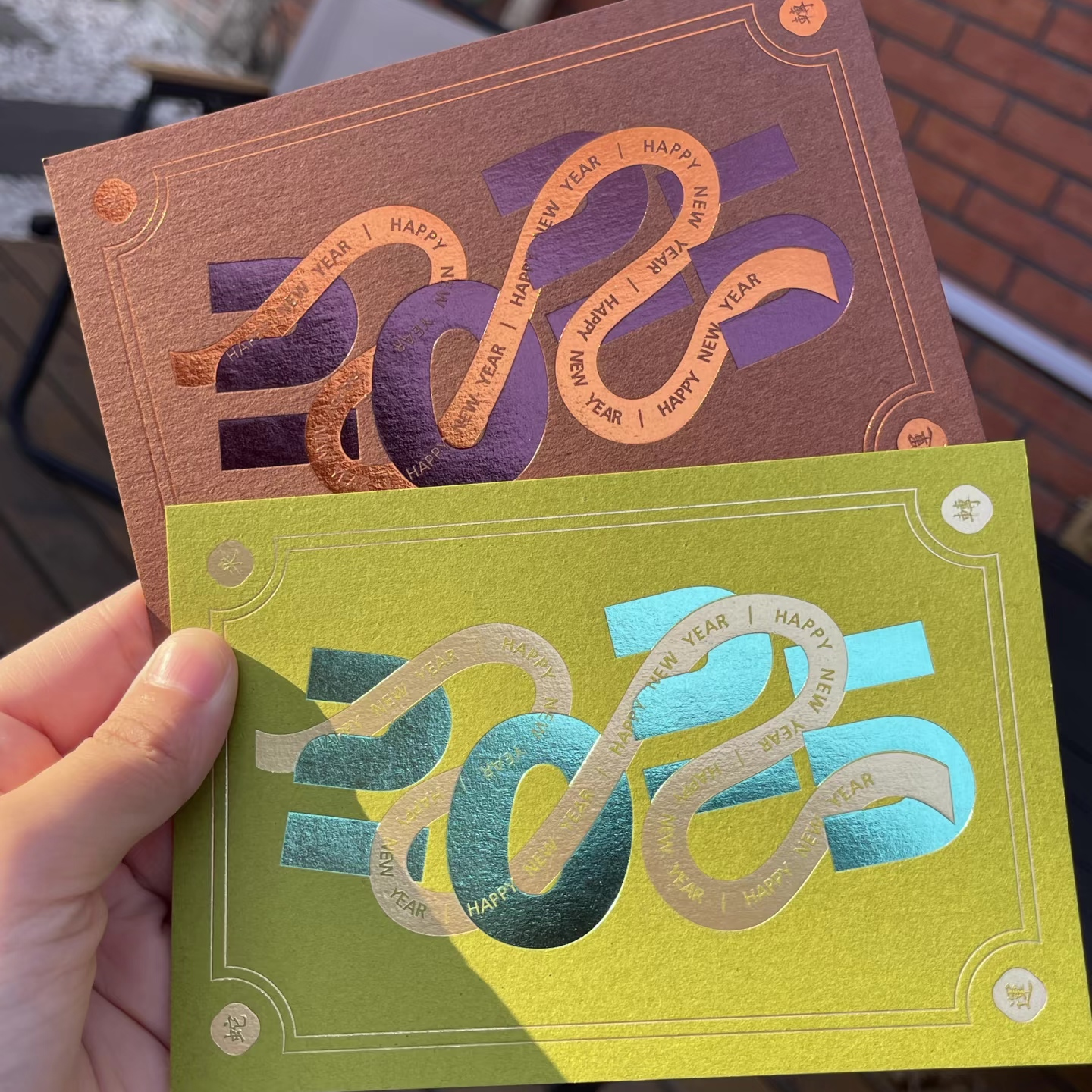
2. Pigment Foil
Pigment foil produces an opaque colored surface without the mirror-like reflection of metallic foil.
Available effects may include:
Gloss white
Matte white
Gloss black
Matte black
Red, blue, green and other solid colors
Pastel colors
Fluorescent colors
Selected specialty pigments
Pigment foil is useful when ordinary ink does not provide enough opacity, especially on dark, kraft or specialty paper.
For example, white pigment foil can create a clean logo on black paper without applying several passes of white ink.
Pigment foil should still be physically tested because color, gloss and edge definition vary with the substrate and foil formulation.

3. Holographic Foil Stamping
Holographic foil contains a microstructured surface that diffracts light and produces rainbow, movement or image-changing effects.
Common holographic effects include:
Rainbow patterns
Cracked ice
Brushed metal
Geometric diffraction
Star patterns
Lens-like movement
Custom registered holograms
Security or authentication features
Holographic foil is commonly used for:
Limited-edition packaging
Cosmetics and beauty products
Perfume boxes
Promotional packaging
Collectible products
Electronics
Fashion accessories
Anti-counterfeit packaging
The direction of the holographic pattern may affect the final appearance. For packaging with several foil areas, confirm whether pattern orientation must remain consistent across all components.
Digital mockups cannot reproduce the final reflective movement. Approve a physical sample under several lighting conditions.

4. Transparent and Specialty Foils
Not every foil produces a metallic effect. Transparent and specialty foils can create subtle surface contrast while allowing the printed color underneath to remain visible.
Options may include:
Clear gloss foil
Clear matte foil
Tinted transparent foil
Pearlescent foil
Brushed foil
Satin foil
Patterned foil
Leather-like effects
Woodgrain effects
Security foils
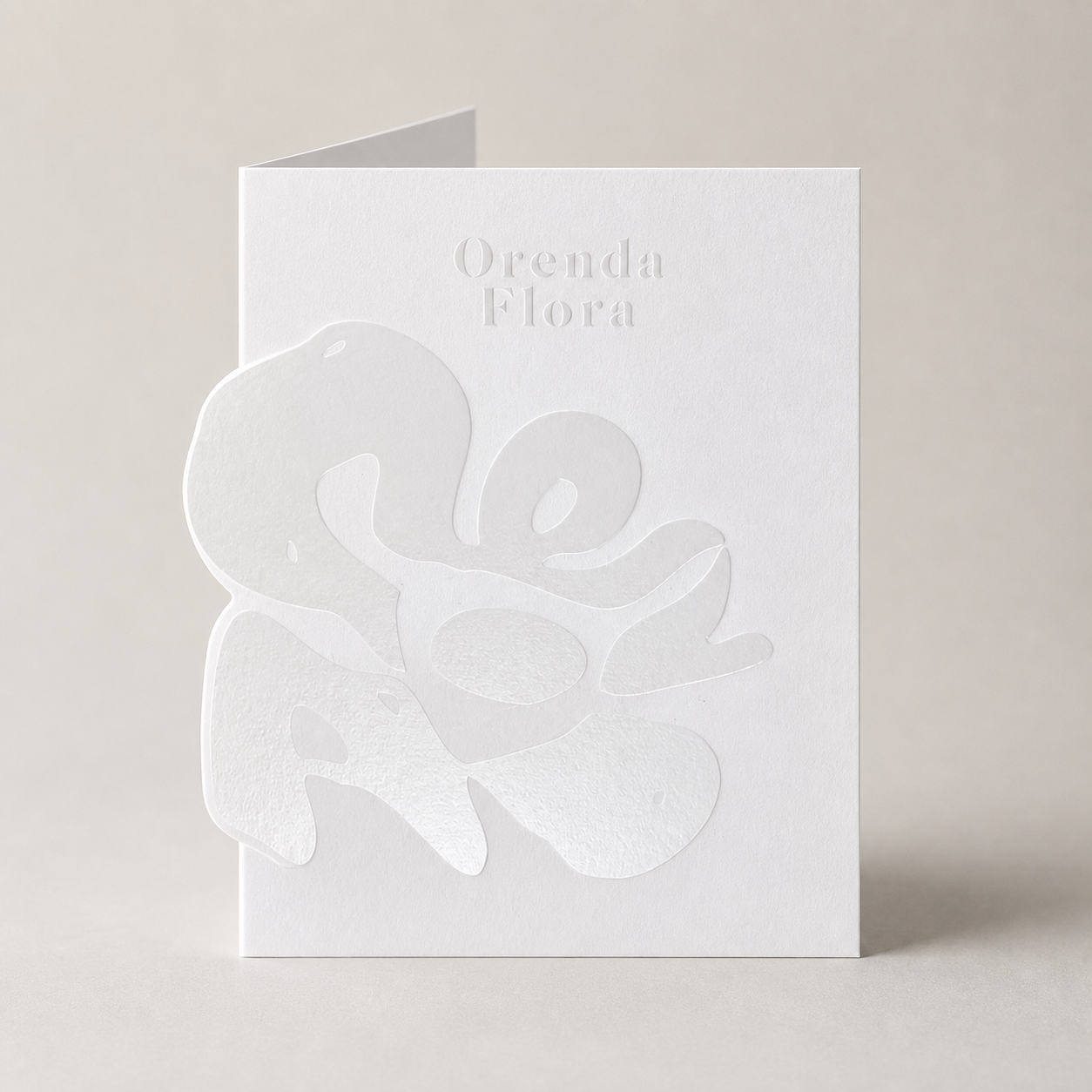
Clear gloss foil can be used similarly to spot gloss coating, but the application process and edge characteristics are different.
Transparent foil is particularly effective for tone-on-tone logos and patterns on premium minimalist packaging.
5. Cold Foil Transfer
Cold foil transfer uses adhesive rather than a heated stamping die to transfer the metallic layer.
In a typical offset cold-foil process:
Adhesive is printed onto selected artwork areas.
The foil web contacts the adhesive.
Pressure transfers the metallic layer to the tacky areas.
The carrier film is removed.
Process or spot colors may be printed over the transferred silver foil.
Varnish or coating may be added for protection.
Heidelberg describes hot foil as a heat-and-pressure process using a stamping die, while cold foil uses a printed adhesive followed by foil transfer. Cold foil generally requires a smooth surface, whereas hot foil can accommodate a wider variety of paper textures.
Advantages of cold foil
Suitable for fine lines and screened metallic effects
Can cover relatively large metallic areas
Supports inline production on compatible equipment
Silver foil can be overprinted to create many metallic colors
Does not require a traditional heated metal die
Suitable for high-volume folding-carton and label production
Limitations of cold foil
Requires a smooth and properly prepared surface
Does not create a deeply impressed tactile effect
Adhesive and foil registration must be controlled carefully
Large solids may reveal surface imperfections
Protection may require a later coating or varnish
Equipment availability varies by supplier
Cold foil should not automatically be treated as a direct replacement for hot foil. Hot foil is generally better for strong standalone logos, textured materials and designs requiring tactile pressure or combination embossing.
Hot Foil vs Cold Foil
| Comparison | Hot Foil Stamping | Cold Foil Transfer |
|---|---|---|
| Transfer method | Heated die and pressure | Printed adhesive and pressure |
| Main tooling | Custom stamping die | Printing plate or image carrier |
| Best substrate | Coated, uncoated and selected textured materials | Smooth coated or prepared surfaces |
| Fine screened detail | More limited | Generally better suited |
| Large metallic areas | Possible but may be less economical | Often suitable |
| Tactile impression | Possible | Usually minimal |
| Overprinting | Possible as a separate process | Common and often performed inline |
| Metallic color options | Foil is normally supplied in the required color | Silver foil can be overprinted in many colors |
| Best production fit | Premium details and specialized effects | Industrial folding cartons and labels |
| Relative setup cost | Custom die cost | Plate and adhesive setup |
| Relative cost | Depends on die, area and passes | Depends on coverage, quantity and press setup |
There is no universal winner. Hot foil is often preferable for premium logos, textured stocks and foil embossing. Cold foil can be more effective for fine screened effects, large areas and inline color overprinting.
6. Digital Foil
Digital foil applies foil without a conventional engraved metal stamping die. Depending on the equipment, it may use toner, digitally printed adhesive or a digitally controlled embellishment system.
Digital foil is particularly useful for:
Short production runs
Personalized names
Serial numbers
Limited editions
Prototypes
Event packaging
Multiple designs with small quantities
Market testing before mass production
Advantages
No conventional stamping die
Faster setup for short runs
Supports variable data
Suitable for prototypes and personalization
Easy artwork changes between versions
Limitations
Unit cost may be higher for large quantities
Available substrates and foil types depend on the equipment
Maximum sheet and design sizes may be limited
The effect may differ from conventional hot stamping
Heavy relief effects may require separate embellishment equipment
Digital foil is useful for sampling and short runs, but a digital-foil sample should not automatically be used to approve the appearance of a later hot-foil production run. The two processes can produce different edge definition, pressure, gloss and surface feel.

7. Foil Embossing
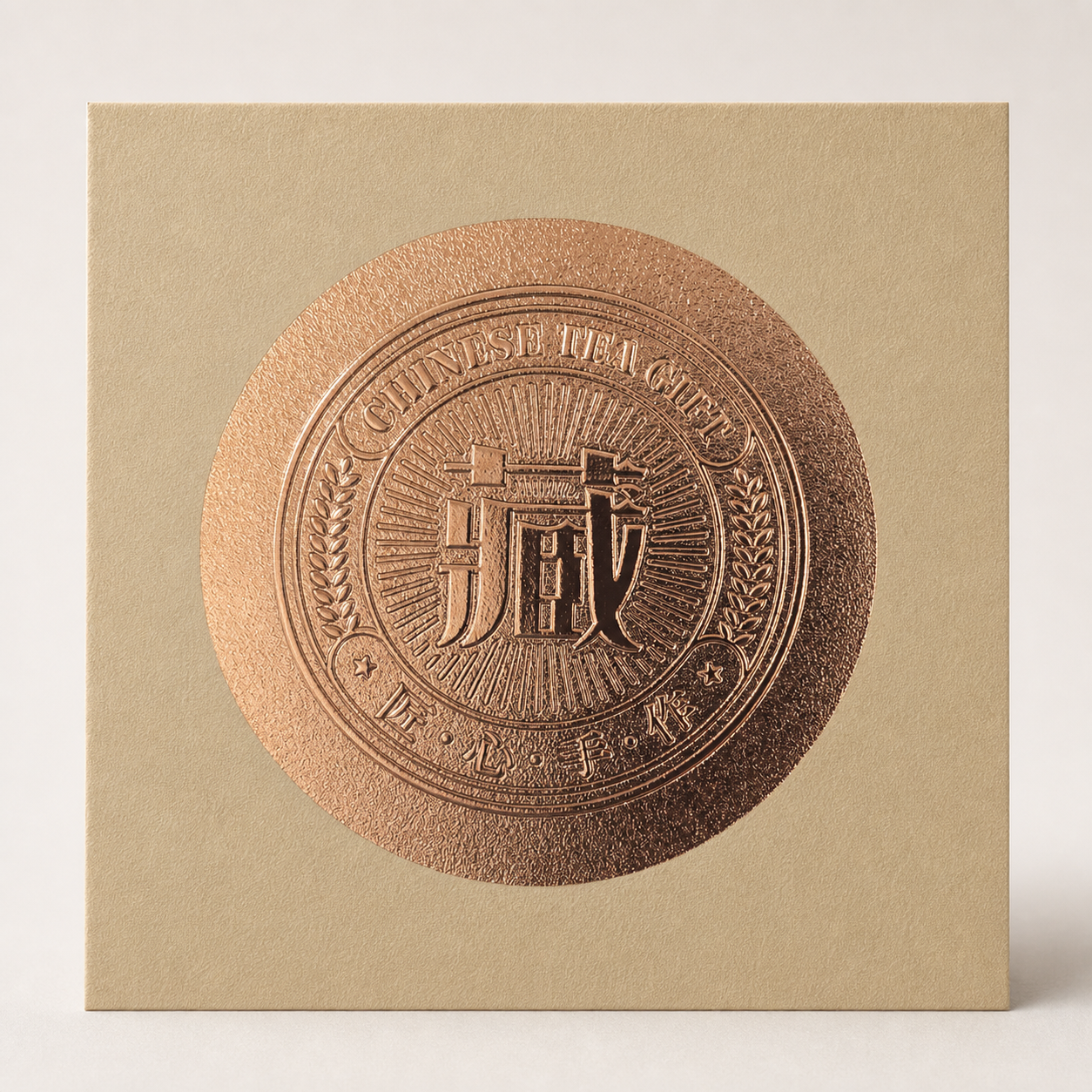
Foil embossing combines metallic or colored foil with a raised or recessed tactile effect.
The processes may be performed:
In one operation using a combination die
In separate foil-stamping and embossing operations
With foil followed by registered embossing
With sculpted dies for multidimensional relief
Best applications
Premium logos
Brand emblems
Crests and seals
Product names
Decorative borders
Luxury monograms
Limited-edition numbering
Wine and spirits packaging
Foil embossing creates a stronger tactile impression than flat foil stamping, but it requires more complex tooling and tighter registration.
The paperboard thickness, fiber direction, printed design, reverse-side appearance and proximity to folds must be considered before production.
Foil Stamping vs Embossing
| Comparison | Foil Stamping | Embossing |
|---|---|---|
| Main effect | Metallic, colored or specialty surface | Raised paper or paperboard |
| Material added | Thin transferred decorative layer | No decorative layer required |
| Tooling | Foil-stamping die | Male and female embossing dies |
| Tactile effect | Usually flat or lightly impressed | Clearly raised or recessed |
| Color | Determined by foil | Determined by printed or paper surface |
| Best for | Reflective logos, text and decoration | Sculpted logos, lettering and patterns |
| Combined use | Can be combined with embossing | Can be registered with foil |
Foil Stamping vs Metallic Ink
Metallic ink contains reflective particles suspended in printing ink. Foil stamping transfers a continuous metallic layer.
| Comparison | Foil Stamping | Metallic Ink |
|---|---|---|
| Metallic appearance | Strong, reflective and continuous | Softer and more granular |
| Mirror-like gloss | Generally stronger | Generally weaker |
| Application | Separate stamping or transfer process | Printed like another ink color |
| Fine gradients | Limited in traditional hot foil | Easier to reproduce in print |
| Solid logos | Strong premium effect | More economical effect |
| Tactile impression | Possible with pressure or embossing | Usually none |
| Setup | Die or transfer setup | Printing plate and ink setup |
| Cost | Generally higher | Generally lower |
| Best for | Logos, names and focal details | Larger printed graphics and subtle metallic color |
Choose foil stamping for a sharp luxury focal point. Choose metallic ink when metallic color must cover broader artwork economically or blend into printed images and gradients.
Which Packaging Materials Can Be Foil Stamped?
Hot foil stamping can be used on many packaging materials, but the foil, temperature, pressure and die must be selected for the actual surface.
Coated paper
Smooth coated paper usually supports clean edges and good metallic gloss. Surface coating compatibility must still be confirmed.
Uncoated paper
Uncoated paper can produce attractive contrast between reflective foil and a natural paper texture. Highly porous or rough stock may require a foil formulated for difficult surfaces.
Kraft paper
Gold, copper, black and white foils can create strong contrast on kraft paper. Natural surface variation may affect edge sharpness and solid-area consistency.
Textured paper
Hot foil can perform better than cold foil on selected textured papers because heat and pressure help the foil conform to the surface. Deep textures still require testing.
Laminated paper
Foil can be applied over gloss, matte, soft-touch and specialty films when the foil and adhesive system are compatible with the film.
Soft-touch and anti-scratch films can be more difficult to stamp reliably. Always test the actual combination.
Metallic paper
Foil stamping over metallic paper can create subtle tone and gloss contrast. The design should not depend only on metallic color difference because both surfaces may reflect strongly.
Plastic and synthetic materials
Selected films, plastics and synthetic papers can be foil stamped using compatible foil and controlled temperature. Excessive heat may distort the substrate.
Fabric and flocked surfaces
Some foils can be applied to fabric or flocked components, but transfer consistency depends heavily on surface texture, compression and adhesive compatibility.
Foil Stamping Over Lamination
Foil stamping is frequently combined with lamination, especially on rigid boxes and premium folding cartons.
Common combinations include:
Gold foil over matte lamination
Silver foil over soft-touch lamination
Holographic foil over black matte film
Pigment foil over anti-scratch film
Foil plus spot UV over matte lamination
Foil plus embossing over laminated paper
Matte lamination provides visual contrast that makes reflective foil appear brighter. It also protects the printed surface surrounding the foil.
However, not every foil adheres equally well to every film. The supplier must consider:
Film surface energy
Foil adhesive formulation
Stamping temperature
Pressure
Dwell time
Film scuff resistance
Whether another finish will be applied afterward
Learn more about gloss, matte, soft-touch and anti-scratch films in our packaging lamination guide.
Artwork Guidelines for Foil Stamping
Foil artwork should be prepared as a separate vector layer.
Recommended preparation
Create a named spot-color layer such as “FOIL.”
Use vector paths for logos, lettering and borders.
Set the foil artwork to 100% solid color.
Remove gradients unless using a process specifically capable of screened foil.
Convert important lettering to outlines.
Keep foil separate from CMYK and Pantone printing layers.
Identify each foil color as a separate layer.
Indicate whether embossing must register with the foil.
Mark folds, cuts, glue areas and important clearances.
Supply a reference showing the intended foil color and finish.
Thin lines and small text
Very thin lines, sharp corners and tiny gaps can produce incomplete or uneven transfer. Fine negative spaces may close during stamping.
For foil-stamped logos, simplifying thin lines before sampling often produces cleaner edges and more consistent results.
There is no universal minimum line thickness because the practical limit depends on:
Die material and engraving
Foil formulation
Substrate
Stamping pressure
Temperature
Machine
Positive or reversed artwork
Required quality tolerance
Ask the supplier to review the final foil layer before producing the die.
Large solid areas
Large foil solids may show:
Pinholes
Air pockets
Uneven transfer
Surface texture
Pressure variation
Scratches
Visible substrate imperfections
Breaking a very large foil area into patterns, lines or smaller sections can improve consistency and reduce cost.
Cold foil or metallic paper may be worth considering when a design requires a very large metallic background.
Foil Stamping Near Folds and Edges
Foil should generally be kept away from:
Fold lines
Creases
Die-cut edges
Perforations
Glue flaps
Deep embossed areas
Frequently flexed components
Foil applied directly across a crease can crack, separate or lose gloss during folding.
The required clearance depends on the board, foil, package structure and converting method. Confirm the safe distance with the packaging supplier rather than applying one universal rule.
Foil Color and Finish Selection
Foil appearance should be selected using physical swatches rather than a computer screen.
Important variables include:
Metallic tone
Gloss level
Brushed or mirror finish
Pattern direction
Transparency
Holographic movement
Base substrate color
Printed colors around the foil
Retail lighting
Viewing angle
A digital mockup can indicate placement but cannot reproduce final reflection.
For critical brand colors, compare several foil swatches under the lighting conditions in which the packaging will be viewed.
What Determines Foil Stamping Cost?
| Cost Factor | How It Affects Price |
|---|---|
| Custom stamping die | Required for conventional hot foil stamping |
| Die size | Larger dies require more material and machine capacity |
| Foil area | Larger coverage consumes more foil |
| Number of foil colors | Each color normally requires a separate setup or pass |
| Number of stamped positions | Multiple areas may increase setup and registration time |
| Foil type | Holographic, custom and specialty foils generally cost more |
| Substrate | Difficult surfaces may require testing and specialty foil |
| Registration accuracy | Fine alignment requires tighter production control |
| Embossing | Combination effects require additional tooling |
| Order quantity | Setup cost is distributed across more units |
| Sheet layout | Efficient nesting can reduce foil and press time |
| Sampling | Custom stamped samples add tooling and setup expenses |
| Production waste | Tight tolerances require additional sheets and foil allowance |
Main setup cost
The main setup cost for hot foil stamping is normally the custom die and machine preparation.
Main variable cost
The main variable cost is influenced by foil consumption, stamping area, production passes, press time and rejected-sheet allowance.
A small logo can still carry a meaningful setup cost because a custom die and production setup are required even when very little foil transfers to each package.
Recommended Foil Process by Objective
| Your Objective | Recommended Option |
|---|---|
| Premium gold or silver logo | Hot metallic foil stamping |
| Opaque white logo on dark paper | White pigment foil |
| Rainbow or image-changing effect | Holographic foil |
| Subtle tone-on-tone gloss | Transparent gloss foil |
| Fine screened metallic pattern | Cold foil transfer |
| Large overprinted metallic area | Cold foil |
| Short-run prototype | Digital foil |
| Personalized metallic names or numbers | Digital foil |
| Metallic logo with tactile depth | Foil embossing |
| Economical broad metallic graphics | Metallic ink |
| Metallic background across the complete sheet | Metallic paper or cold foil |
| Foil over a soft premium surface | Hot foil over tested matte or soft-touch lamination |
Common Foil Stamping Problems
Incomplete foil transfer
Parts of the design fail to transfer to the substrate.
Possible causes include insufficient heat, pressure or dwell time; unsuitable foil; rough paper; contaminated surfaces; or incorrect die setup.
Filled-in details
Small gaps or reversed text become blocked.
Possible causes include excessive pressure, excessive heat, overly fine artwork or a foil that releases too easily.
Ragged edges
Foil edges appear broken or irregular.
Possible causes include unsuitable foil, damaged dies, rough substrate, incorrect temperature or insufficient pressure.
Pinholes in large areas
Small untransferred points appear within a solid foil area.
Possible causes include paper dust, substrate texture, trapped air, surface contamination or uneven pressure.
Foil cracking at folds
The foil separates when the carton is creased or folded.
Prevent this by keeping critical foil away from fold lines and testing the actual converting process.
Poor adhesion over lamination
The foil can be scratched or peeled from the film.
Use foil formulated for the selected laminate and approve adhesion using a finished production sample.
Double image or shadow
A duplicate edge appears around the stamped artwork.
Possible causes include sheet movement, foil movement, die bounce or unstable machine pressure.
Foil Stamping Durability
A properly selected and applied foil can resist normal packaging handling, but durability varies by:
Foil formulation
Substrate
Lamination
Surface texture
Stamping conditions
Abrasion
Temperature
Product handling
Packing method
Transportation
Foil should be tested when the packaging will experience:
Frequent rubbing
Tight packing
Automated packing lines
Long-distance transport
Humid storage
High or low temperatures
Repeated opening and closing
For foil-stamped logos, avoid direct friction between adjacent boxes where possible. Protective sheets, sleeves, dividers or suitable packing orientation may be required for delicate high-gloss finishes.
Is Foil-Stamped Packaging Recyclable?
Foil stamping transfers a very thin decorative layer rather than laminating a complete metallized plastic film across the package.
However, the recyclability of foil-stamped packaging depends on the complete structure, including:
Paper or paperboard
Foil coverage
Lamination
Adhesives
Inks and coatings
Plastic windows
Inserts
Local recycling infrastructure
Cold foil and hot foil also leave a carrier film as manufacturing waste after the decorative layer has transferred.
Do not claim that a package is recyclable solely because it uses foil stamping. Evaluate the complete structure and confirm local recycling requirements.
When reducing material impact is important, consider:
Limiting foil to important brand elements
Avoiding unnecessary full-surface coverage
Selecting recyclable paperboard
Reducing additional plastic lamination where practical
Designing components for easy separation
Obtaining documentation from the foil and packaging suppliers
Can Foil Stamping Be Used on Food Packaging?
Foil stamping can be used on the exterior of many food and confectionery packages, but suitability must be confirmed for the specific application.
Consider:
Direct or indirect food contact
Functional barriers
Migration requirements
Foil and adhesive formulation
Product temperature
Storage conditions
Destination-market regulations
Whether the foil is applied inside or outside the package
Do not assume that a decorative packaging foil is approved for direct food contact. Request relevant compliance documentation when necessary.
How to Specify Foil Stamping in a Quotation
Provide the following information:
Packaging structure
Finished dimensions
Paper or paperboard
Printing method and colors
Lamination or other surface finish
Foil type and color
Foil artwork file
Total foil area
Number of stamped positions
Whether embossing is required
Order quantity
Target market
Durability requirements
Sample expectations
Delivery schedule
Instead of writing only “gold foil,” use a more complete specification:
High-gloss champagne-gold hot foil on the logo and product name over anti-scratch matte lamination, with no foil across fold or glue areas.
If several foil colors are required, identify each as a separate artwork layer and confirm whether they require separate production passes.
Frequently Asked Questions
Is foil stamping the same as hot stamping?
Hot foil stamping is the traditional form of foil stamping and uses heat, pressure and a custom die. The broader term may also include cold foil transfer and digital foil processes.
Is foil stamping the same as metallic printing?
No. Foil stamping transfers a continuous metallic layer, while metallic printing uses ink containing reflective particles. Foil generally creates stronger reflection and sharper premium details.
What is the difference between hot foil and cold foil?
Hot foil uses a heated die and pressure. Cold foil uses printed adhesive and pressure, usually on a smooth surface. Cold foil can be overprinted and is often suitable for fine detail and larger metallic areas.
Does foil stamping require a custom die?
Conventional hot foil stamping normally requires a custom die. Cold foil uses a printing plate or other image carrier, while digital foil can be applied without a conventional metal die.
Can foil stamping be applied over matte lamination?
Yes. Gold, silver and holographic foil over matte lamination are common premium packaging combinations. The foil and film must be compatible, so physical adhesion testing is recommended.
Can foil be applied over soft-touch lamination?
Yes, but soft-touch films can be more difficult to foil stamp. Use a compatible foil and approve the finished sample for adhesion, scratching and edge definition.
Can foil stamping be applied to kraft paper?
Yes. Gold, copper, black and white foils can work well on kraft paper, but surface roughness may affect fine details and large solid areas.
Can foil stamping crack at folds?
Yes. Foil placed across creases or frequently flexed areas can crack or separate. Keep critical foil away from folds wherever possible.
Is foil stamping scratch-resistant?
Foil can resist normal handling when properly applied, but it is not automatically scratch-proof. Durability depends on the foil, substrate, lamination, pressure, packing and transport conditions.
Can a Pantone color be matched exactly with foil?
Not always. Foil colors are selected from physical foil ranges and may not precisely match a Pantone ink color. Approve a physical swatch and stamped sample.
Is holographic foil more expensive than standard metallic foil?
It is generally more expensive because the foil material is more specialized. Registered or customized holographic patterns can require additional setup and minimum quantities.
Can foil stamping be combined with embossing?
Yes. Foil and embossing can be produced in separate operations or with a combination die. The result adds both metallic reflection and tactile depth.
Can foil stamping reproduce very fine lines?
It can reproduce fine details, but the practical limit depends on the process, die, substrate, foil and machine. Simplify extremely thin lines and small reversed spaces before sampling.
Is digital foil suitable for mass production?
It can be suitable on certain equipment, but conventional hot or cold foil is often more economical for high-volume standardized production. Digital foil is particularly useful for short runs and personalization.
Is foil-stamped packaging recyclable?
It may be recyclable, but this depends on the complete packaging structure and local recycling system. Foil stamping alone does not determine recyclability.
Does foil stamping increase packaging cost?
Yes. Cost is affected by tooling, foil type, foil area, number of colors, production passes, substrate, sampling and quantity. A small foil logo still requires setup and may therefore have a meaningful minimum cost.
Choosing the Right Foil Stamping Process
Choose hot metallic foil when the priority is a crisp, premium logo on paper, paperboard or a tested laminated surface.
Choose pigment foil when an opaque solid color is needed on dark or difficult material. Choose holographic foil for rainbow movement, limited editions or security effects.
Cold foil is better suited to fine screened metallic graphics, large areas and designs that require overprinted metallic color. Digital foil is useful for prototypes, short runs and personalized packaging.
Combine foil with embossing when both reflection and tactile depth are important.
Foil stamping is one option within a broader range of custom packaging finishes. The right solution depends on the substrate, artwork, package structure, handling conditions, order quantity and budget.
Send us your packaging design, product dimensions, preferred material, foil reference and order quantity through our contact page. We can recommend a suitable hot foil, cold foil or digital foil process and prepare a custom quotation or physical sample.