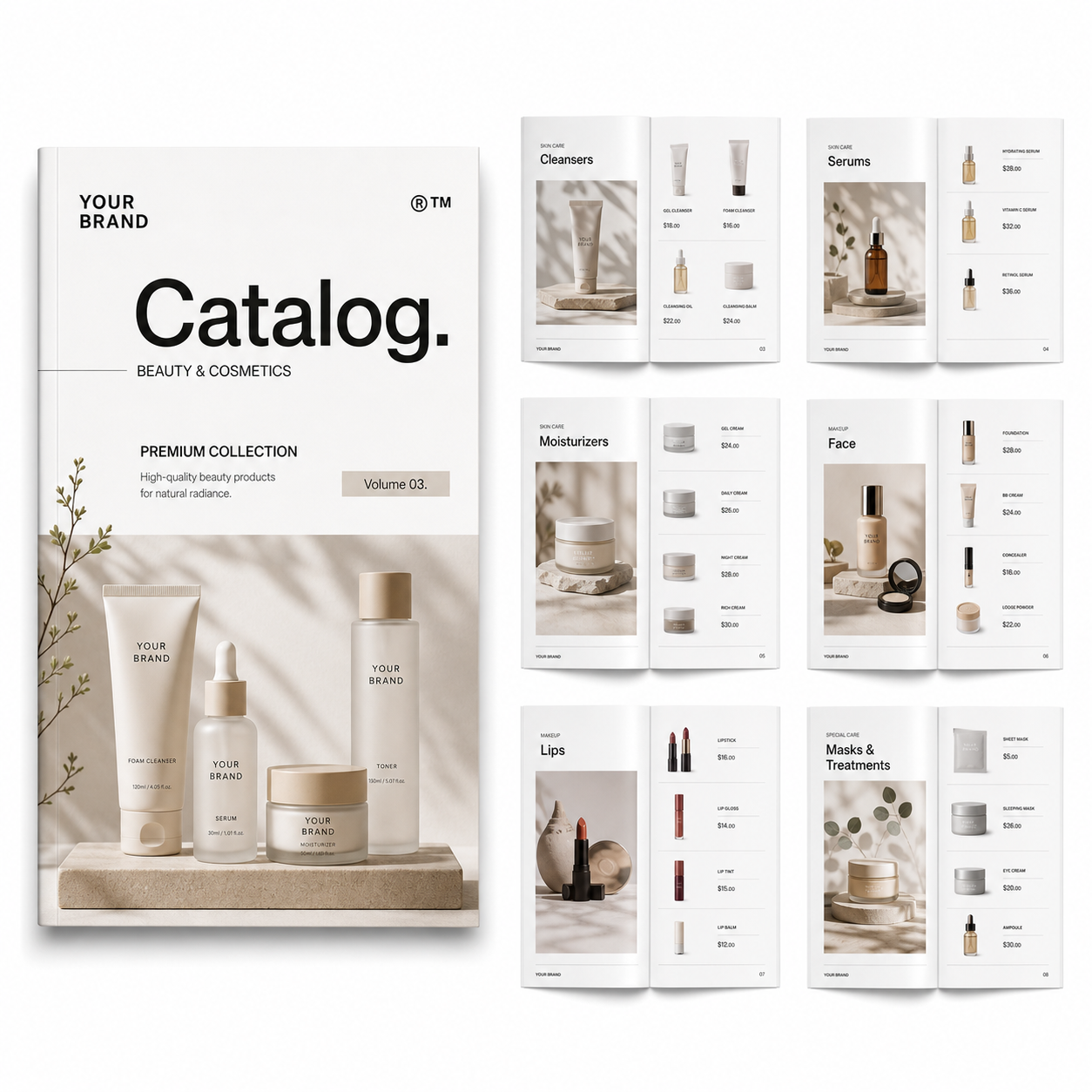
Our custom catalog printing services combine premium print quality with fully customized production, helping businesses showcase products, services, and brand stories in a professional and visually engaging format. Whether you need product catalogs, wholesale catalogs, sales brochures, company portfolios, lookbooks, or corporate presentations, we offer flexible sizes, premium paper stocks, advanced printing technologies, and luxury finishing options to create catalogs that leave a lasting impression.
Customization Features | Service Availability |
|---|---|
Free Dieline & Artwork Check | ✔ Available (Professional catalog layout guidance, Print-ready file support) |
Graphic Design | ✔ Available (Cover design, Page layout, Typography, Branding) |
Material Customization | ✔ Available (Coated Paper, Uncoated Paper, Art Paper, Kraft Paper, Recycled Paper, Specialty Textured Paper, etc.) |
Custom Luxury Surface Finishes | ✔ Available (Glossy/Matte Lamination, Spot UV, Hot Foil Stamping in Gold/Silver/Laser effects, Embossing, Debossing, etc.) |
CMYK / Pantone / Spot Color | ✔ Available (Supports CMYK, Pantone, or CMYK + Pantone combination) |
Size & Dimensions Customization | ✔ Available (A4, A5, A6, Square, Landscape, Portrait, or fully custom dimensions) |
Binding Options | ✔ Available (Saddle Stitch, Perfect Binding, Wire-O Binding, Spiral Binding, Stapled Booklets, Sewn Binding) |
Special Printing Features | ✔ Available (Die-cut Covers, Fold-out Pages, Perforated Pages, Numbering, QR Codes, Variable Data Printing) |
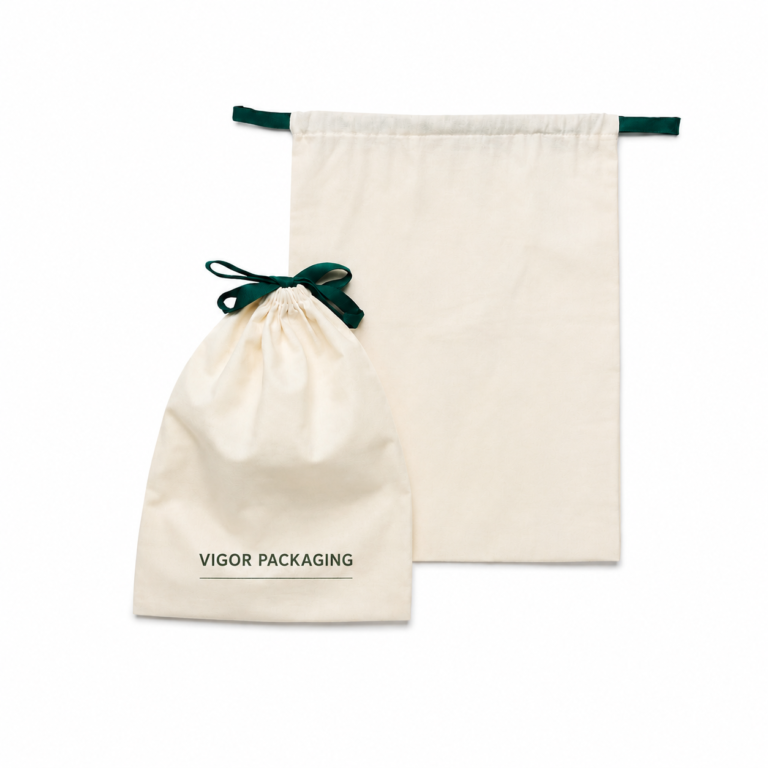
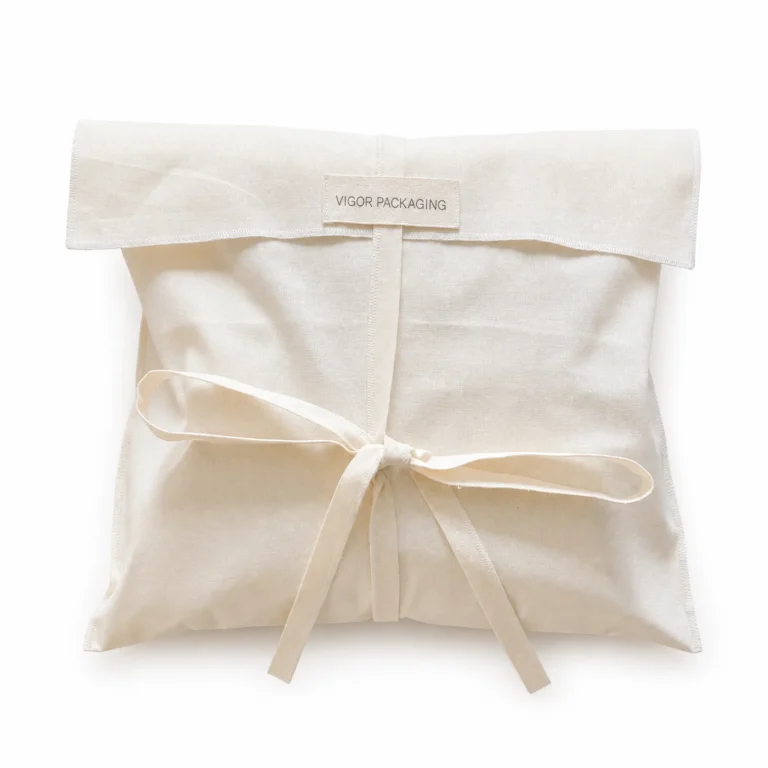
Custom Packaging Requirements | ✔ Available (Custom polybags, barcode labels, or outer cartons) |
Versatile Application Scenarios
Designed for businesses across a wide range of industries, our custom printed catalogs provide an effective way to showcase products, strengthen brand identity, and support marketing campaigns.
Product Catalogs: Present complete product collections for retail, manufacturing, electronics, furniture, cosmetics, packaging, and industrial equipment.
Wholesale & Distributor Catalogs: Ideal for B2B sales, distributor networks, importers, and global sourcing companies.
Company Profiles: Professionally introduce your company’s history, capabilities, production facilities, certifications, and services.
Fashion Lookbooks: Perfect for clothing brands, jewelry, handbags, footwear, accessories, and seasonal collections.
Furniture & Home Decor Catalogs: Showcase interior collections, home accessories, lighting products, and customized solutions.
Marketing & Sales Brochures: Excellent for exhibitions, trade shows, product launches, promotional campaigns, and client presentations.
View more products in our [Custom Packaging Accessories] category.
Frequently Asked Questions About Custom Catalog Printing
What is the difference between a printed catalog and a booklet?
Custom catalog printing is generally used to present extensive product collections, wholesale ranges, technical specifications, seasonal lookbooks and company capabilities. Catalogs often contain more pages, more product images and a stronger cover than short promotional publications.
A custom printed booklet is usually more suitable for instruction manuals, event programs, compact brochures and focused marketing content.
The best format depends on the amount of information, expected period of use, distribution method and required binding.
Which binding method is best for a product catalog?
Perfect binding is commonly used for catalogs with enough pages to create a stable printed spine. It provides a professional, book-like appearance and allows the catalog title or company name to be printed on the spine when sufficient thickness is available.
Saddle stitching is more economical for thinner catalogs. Wire-O and spiral binding allow pages to open more easily and are suitable for technical, specification or reference catalogs. Sewn binding may be considered for premium publications that will be handled frequently.
The final binding method should be confirmed after evaluating the page count, paper weight and intended use.
How many pages should a printed catalog contain?
There is no single ideal page count. The catalog should include enough information to support purchasing decisions without adding unnecessary pages or excessive shipping weight.
Saddle-stitched catalogs generally require a total page count in multiples of four. Perfect-bound catalogs offer greater flexibility but need enough pages and paper thickness to create a secure spine.
When calculating pages, include the front cover, inside front cover, inside back cover and back cover. Blank pages may be required if the final pagination does not match the selected production method.
Which paper is suitable for product catalogs?
Coated paper is commonly used for product photography because it produces sharp images and saturated colors. Uncoated paper provides a more natural appearance and is easier to write on. Recycled, kraft and textured papers may support a particular brand style but can change color reproduction and image detail.
The cover is normally heavier than the internal pages to improve durability. The inner paper should provide sufficient opacity so that images and text from the reverse side do not interfere with readability.
A paper dummy can help evaluate thickness, flexibility, page turning, spine width and total catalog weight before printing.
How should catalog artwork be prepared?
Artwork should preferably be supplied as a print-ready PDF using the final page dimensions. Files should include bleed, safe margins, high-resolution images and correctly prepared CMYK or Pantone colors. Fonts should be embedded or converted to outlines.
Pages should normally be supplied as individual pages in reading order rather than manually arranged printer spreads. Product codes, prices, specifications and contact details should be carefully proofread before submission.
Important text should be kept away from trim lines, binding holes and the center gutter. A preflight artwork check can identify missing fonts, low-resolution images, incorrect bleed or color-setting problems before production.
Can images or tables extend across two facing pages?
Yes, but the binding method must be considered. A photograph extending across two pages may lose part of the image in the center gutter, especially with perfect binding.
Faces, logos, product codes and critical table information should not be positioned directly across the center. Important elements should be moved away from the gutter, or the layout should include additional internal allowance.
Wire-O and lay-flat structures can improve visibility across facing pages, but they may change the catalog’s appearance and cost. A printed sample is recommended for catalogs containing important panoramic images or large comparison tables.
How can we update prices or products without reprinting the entire catalog?
Frequently changing prices can be placed on a separate price list, QR-code landing page or digital document rather than printed permanently inside the catalog.
Products can be organized by category and identified with stable SKUs so customers can find updated information online. QR codes may link to current product pages, technical files, videos or quotation forms.
For temporary promotions, specification changes or regional pricing, custom logo stickers may be used for limited corrections, although they are not an ideal replacement for properly approved artwork on a large production run.
Can you print multiple languages or regional catalog versions?
Yes. Catalogs can be produced in different languages, currencies, product selections or distributor versions. Each edition should have a unique file name, version number and confirmed quantity.
Translated text may be longer or shorter than the original, so the layout must be checked separately for every language. Measurements, regulatory information, contact details and currency formats should also be reviewed for the destination market.
When several versions share common pages, provide a clear production schedule showing which covers and internal sections belong to each edition. Variable-data options may be considered for selected information, depending on the printing process.
Which finishes and sustainable options are available?
Catalog covers can be enhanced with matte or gloss lamination, foil stamping, spot UV, embossing, debossing, die cutting or laser effects. These treatments are generally applied selectively to the cover to control cost and maintain readability.
Our packaging finishes page provides an overview of common decorative options. Very fine details, binding folds and textured papers should be evaluated before choosing a finish.
Sustainable options may include recycled paper, responsibly sourced paper, reduced page dimensions and lower ink coverage, subject to availability. The total page count, paper weight, lamination and distribution distance should also be considered because they affect the catalog’s overall environmental footprint.
What are the MOQ, price, sample cost and production lead time?
The minimum order quantity for custom catalog printing is generally 1,000 copies per design, with prices starting from approximately US$1.00 per catalog. Final pricing depends on the dimensions, page count, paper weights, binding, printing colors, finishing, quantity and number of versions.
Custom sample production normally takes 3–7 days, with sample charges starting from approximately US$60. Sample delivery generally takes an additional 3–7 days. Mass production usually takes around 7–15 days after artwork and sample approval.
Catalogs can be packed in protective bags, labeled cartons and reinforced export packaging. Because catalogs can become heavy in bulk, the page count, paper weight and number of copies per carton should be planned with shipping costs in mind.
For an accurate quotation, please provide the finished size, page count, cover and inner paper, binding method, quantity, artwork, finishes, number of language or regional versions and delivery destination. You can contact Vigor Packaging to discuss your catalog project.