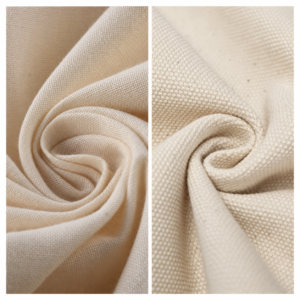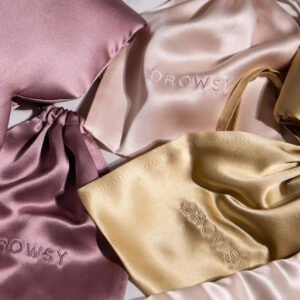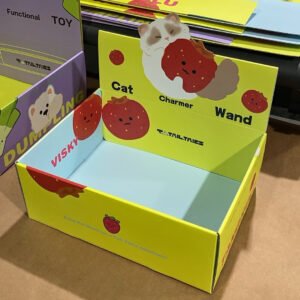
Debossing creates a recessed impression in paperboard, paper, leatherette or other packaging materials. Instead of raising a logo or pattern above the surface, the design is pressed inward to produce a subtle, tactile effect.
It is often selected for minimalist, premium and understated packaging because it adds depth without relying on bright colors or metallic decoration.
What Is Debossing?
Debossing uses a custom metal die to press a design into the packaging surface. The die applies pressure to create a recessed area that follows the shape of the artwork.
Debossing can be used alone or combined with other packaging processes, including:
- Offset or digital printing
- Matte or soft-touch lamination
- Foil stamping
- Spot UV coating
- Embossing
- Die cutting
- Custom box inserts
The final appearance depends on the material, artwork size, die depth, paper thickness and production pressure.
Debossing is one option within a broader range of custom packaging finishes. It is especially suitable when a brand wants tactile depth and a refined appearance without relying on a highly reflective or heavily printed surface.
Debossing at a Glance
| Feature | Debossing Details |
|---|---|
| Main effect | Recessed logo, lettering or pattern |
| Tactile feel | Smooth indentation with visible depth |
| Best suited to | Minimalist, luxury and premium packaging |
| Common materials | Paperboard, specialty paper, leatherette and wrapped rigid boxes |
| Color requirement | Can be applied without ink or combined with foil and printing |
| Main setup cost | Custom metal die |
| Variable cost | Design complexity, depth and production time |
| Relative cost | $$ |
| Sampling recommendation | Physical sample recommended for depth and detail approval |
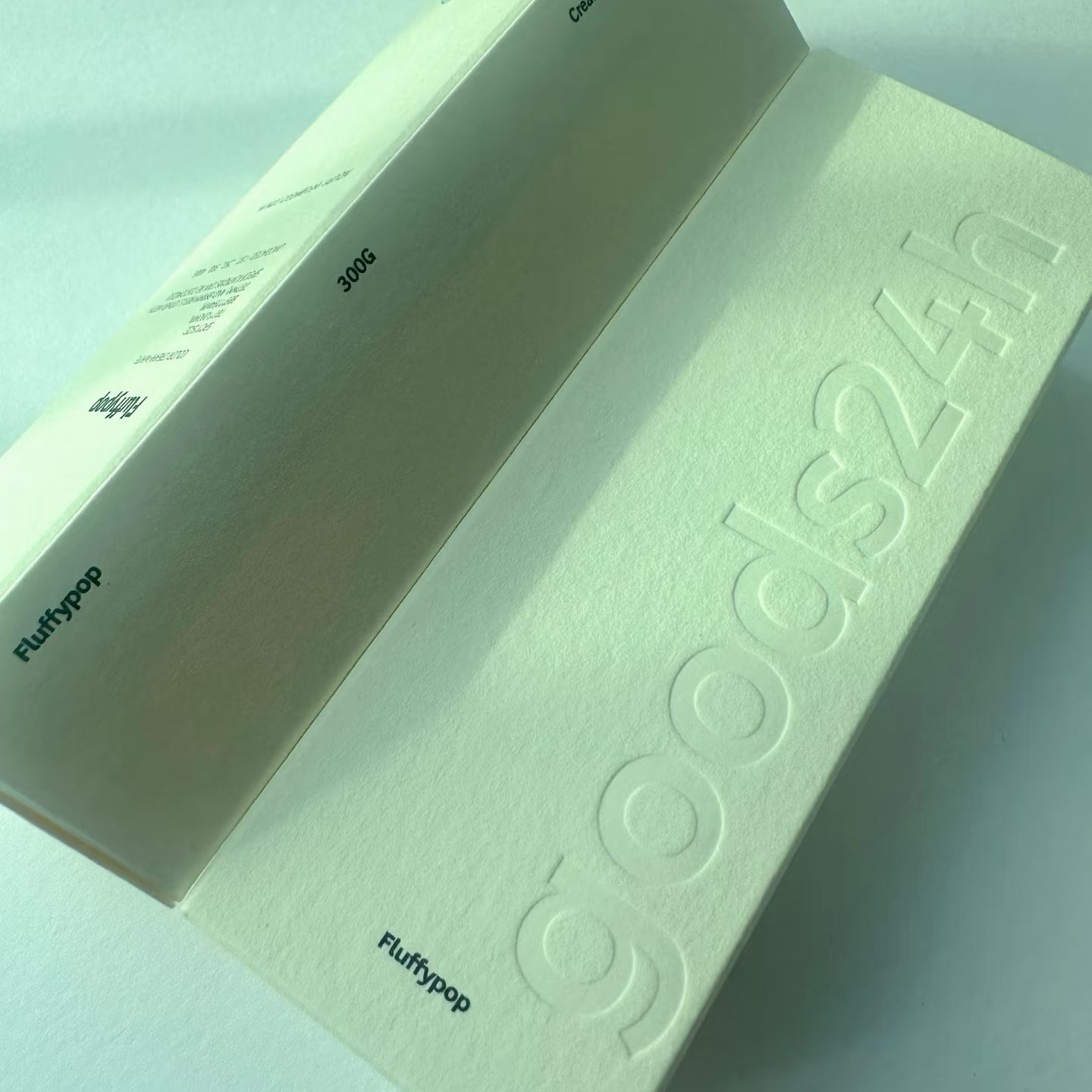
What Does Debossing Look Like?
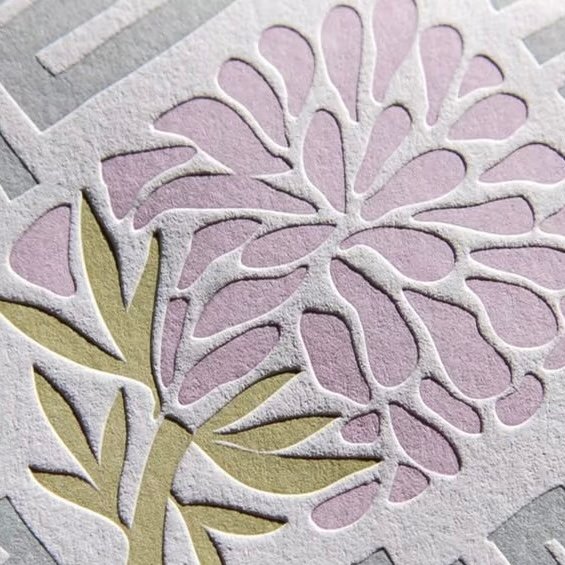
A debossed design appears lower than the surrounding surface. Depending on the lighting angle, the recessed area may create soft shadows that make the logo or pattern visible without strong contrast.
This makes debossing suitable for brands that want:
- A refined and restrained appearance
- Tactile brand recognition
- A premium unboxing experience
- A clean design with limited decoration
- A subtle alternative to printed logos
On dark or textured materials, debossing may be easier to feel than to see. On lighter papers, the shadow created by the recessed design can make the effect more visible.
Common Debossing Applications
Debossing is widely used for packaging that benefits from tactile detail and a premium appearance.
Rigid Boxes
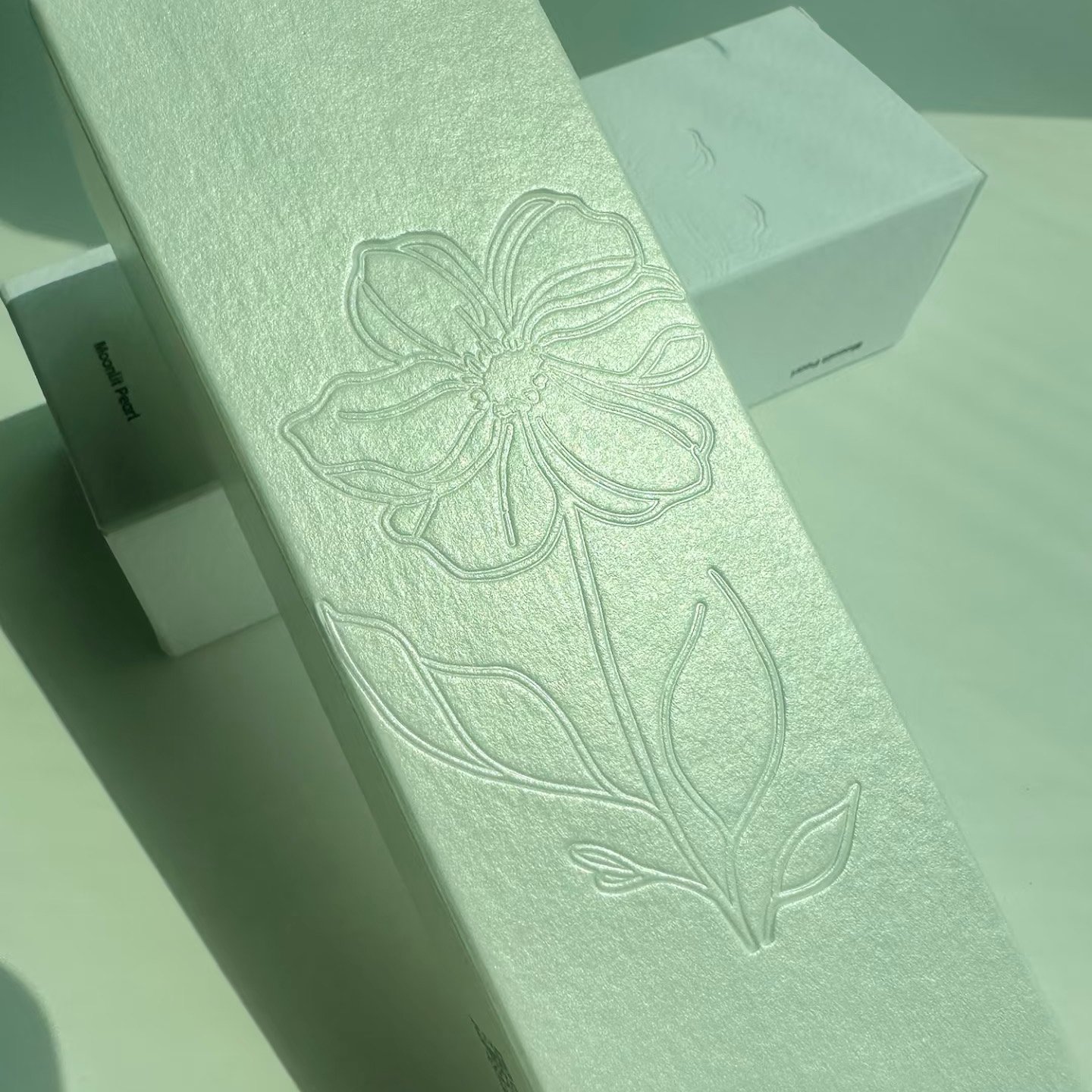
Debossing works particularly well on wrapped rigid boxes for cosmetics, jewelry, perfume, watches and luxury gifts. A recessed logo on the lid can create a quiet, high-end appearance.
Folding Cartons
Thicker folding cartons can use debossing for logos, product names and decorative patterns. The board must be strong enough to hold the recessed shape without cracking.
Paper Sleeves
A debossed brand mark on a printed sleeve can create contrast between the printed graphics and the tactile surface.
Cosmetic and Skincare Packaging
Debossing is suitable for skincare, fragrance and beauty packaging where the brand wants a clean, sophisticated appearance.
Invitation and Presentation Packaging
Premium invitations, corporate gift boxes and presentation folders can use debossed initials, logos or patterns to communicate exclusivity.
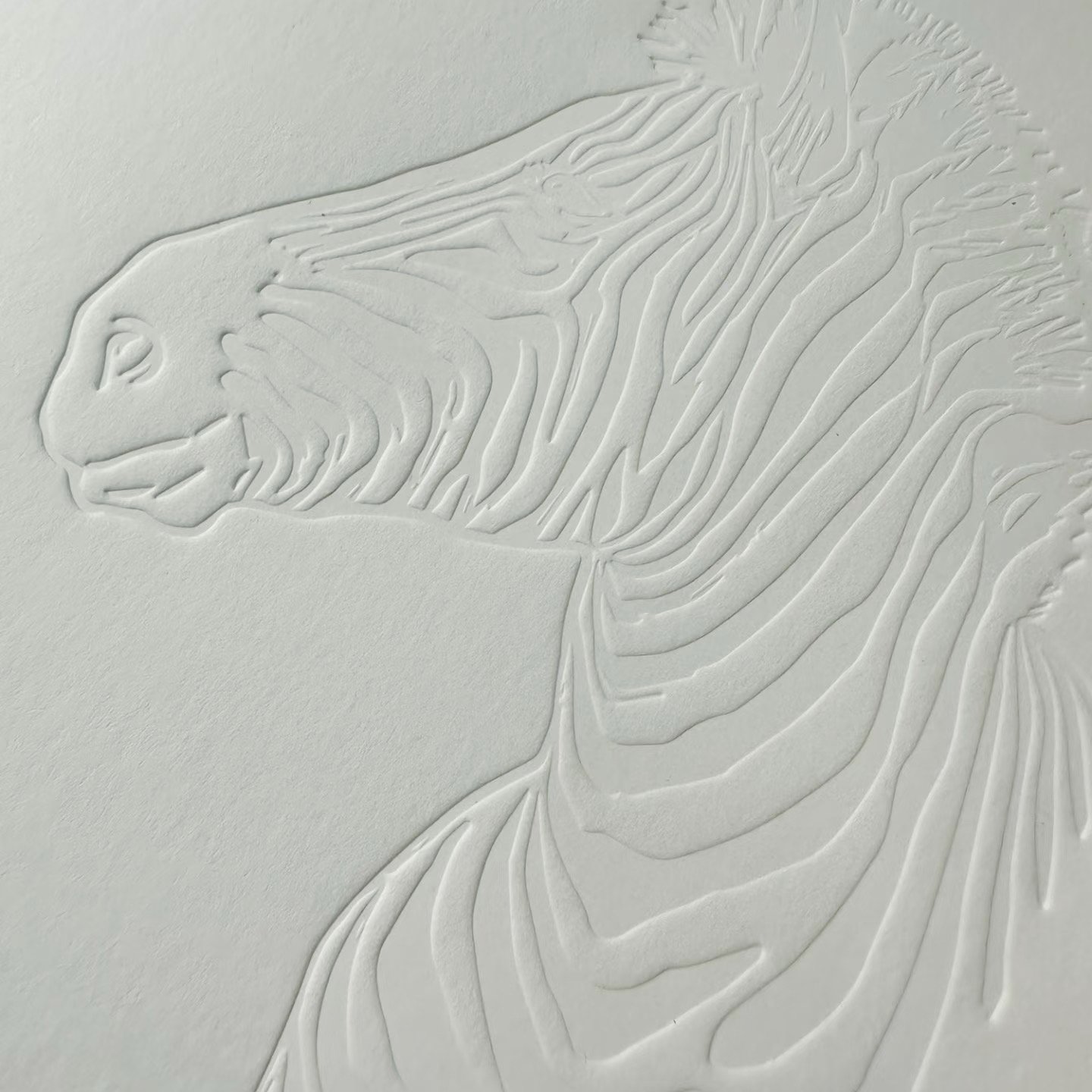
Debossing vs Embossing
The main difference is the direction of the impression.
| Feature | Debossing | Embossing |
|---|---|---|
| Surface effect | Design is pressed inward | Design is raised outward |
| Visual character | Subtle, recessed and understated | More prominent and dimensional |
| Best for | Minimalist and refined branding | Noticeable logos and tactile emphasis |
| Lighting effect | Shadows appear inside the design | Highlights appear on the raised design |
| Common use | Premium boxes, stationery and minimalist packaging | Logos, lettering and decorative patterns |
Use debossing when the design should feel integrated into the package surface. Choose embossing when the logo needs to stand out more visibly.
You can also combine both processes in one design. For example, a raised border with a recessed center can create a more complex three-dimensional effect.
Choose debossing when the design should feel integrated into the packaging surface. Choose embossing when the logo, lettering or pattern needs to project outward and create a more prominent three-dimensional effect.
Debossing vs Foil Stamping
Debossing and foil stamping create different types of visual impact.
- Debossing creates depth through pressure and shadow.
- Foil stamping creates metallic, colored or holographic contrast.
- Debossing is usually more understated.
- Foil stamping is more visually noticeable from a distance.
A debossed logo can be combined with foil stamping. In this application, the foil is placed inside or around the recessed area to add both tactile depth and metallic color.
For example, a luxury perfume box may use:
- Matte lamination for a smooth base
- Debossing for the logo shape
- Gold foil stamping inside the recessed area
For luxury packaging, debossing is often paired with foil stamping. Applying foil inside or around a recessed logo can combine subtle depth with a metallic visual accent.
Materials Suitable for Debossing
The material has a major effect on the final result.
Paperboard
Paperboard is commonly used for folding cartons and sleeves. Medium- to heavyweight board generally produces a clearer impression than thin stock.
Specialty Paper
Textured, colored and uncoated papers can create a distinctive tactile result. However, highly textured surfaces may reduce the clarity of fine details.
Wrapped Rigid Box Material
Rigid boxes wrapped with art paper, specialty paper or leatherette can be debossed on the lid or side panels.
Kraft Paper
Kraft paper can be debossed for natural, handmade or sustainable packaging designs. The effect is often subtle because of the paper’s natural texture and color variation.
Leatherette and Fabric-Like Wraps
Some synthetic leatherette and fabric-style materials can produce strong debossed branding. A physical sample is recommended because different coverings respond differently to pressure.
Debossing Design Requirements
Good artwork preparation helps produce a clean and consistent result.
Use Clear Shapes
Simple logos, bold lettering and uncomplicated patterns usually produce the best results. Fine lines and very small text may lose definition after pressing.
Avoid Excessively Tight Details
Closely spaced lines can merge when the die is produced or when pressure is applied. Allow sufficient spacing between letters, borders and graphic elements.
Consider the Material Thickness
A deeper impression may not be suitable for thin paper or lightweight board. The material must have enough thickness and strength to hold the recessed shape.
Check Letter Size
Small text is more difficult to deboss clearly. For packaging, larger lettering and simplified versions of a logo are often more reliable.
Prepare Vector Artwork
Submit artwork in a vector format such as AI, EPS, PDF or SVG whenever possible. Vector files allow the die maker to reproduce the design accurately.
The Debossing Production Process
The typical process includes the following steps:
Artwork review
The design is checked for line thickness, spacing, size and material compatibility.Die preparation
A custom metal die is manufactured from the approved artwork.Material and finish confirmation
The paper, board, wrap material and any lamination are confirmed.Die alignment
The die is positioned accurately against the packaging surface.Pressure application
The material is pressed between the die and a counter surface to create the recessed impression.Quality inspection
The packaging is checked for depth, alignment, cracking, distortion and consistency.Assembly and packing
Finished packaging is assembled and packed for shipment.
How Much Does Debossing Cost?
Debossing cost depends on both setup and production factors.
| Cost Factor | How It Affects Price |
|---|---|
| Custom die | A new die is normally required for each design |
| Die size | Larger designs may require more die material |
| Design complexity | Fine details and complex patterns increase preparation difficulty |
| Impression depth | Deeper impressions may require more controlled production |
| Material thickness | Different materials may need different pressure settings |
| Production quantity | Larger quantities distribute the setup cost across more units |
| Number of positions | Multiple debossed locations increase setup and alignment work |
| Sampling | Physical samples add preparation and handling cost |
Debossing is usually more cost-effective at medium or large order quantities because the custom die cost is spread across more units. For small orders, the die can represent a larger percentage of the total packaging cost.
How to Reduce Debossing Cost
You can often control cost without removing the effect entirely.
- Use one main debossed logo instead of several positions.
- Simplify fine lines before die production.
- Avoid unnecessary changes between packaging sizes.
- Use the same die across matching box components where possible.
- Confirm the artwork before requesting a physical die.
- Combine debossing with an existing base finish rather than adding multiple decorative processes.
- Request a digital proof before approving a physical sample.
Common Debossing Problems
The Impression Is Too Shallow
A shallow effect may result from unsuitable material thickness, insufficient pressure or a design with weak visual contrast.
The Paper Cracks
Cracking can occur when the board is too thin, the paper is too dry or the impression is too deep for the material.
Fine Details Are Not Clear
Very small text, narrow lines and tightly spaced patterns may not reproduce accurately.
The Design Is Misaligned
Misalignment is more likely when the debossed area must match printed artwork, foil or a die-cut edge. Clear registration marks and careful sampling can reduce this risk.
The Effect Looks Different Across Materials
The same die may create different results on coated paper, uncoated paper, kraft paper and leatherette. Always approve the final effect on the actual production material.
Debossing and Other Finishing Combinations
Debossing can be used as a standalone finish or integrated into a broader packaging design.
Debossing and Matte Lamination
This combination creates a smooth, low-reflection surface with subtle tactile branding. It is a strong choice for minimalist cosmetics, skincare and premium gift boxes.
Debossing and Soft-Touch Lamination
Soft-touch lamination adds a velvety feel, while debossing creates recessed depth. Together they create a highly tactile unboxing experience.
Debossing and Foil Stamping
Foil inside a debossed logo adds color and visibility while preserving the recessed shape.
Debossing and Spot UV
A debossed logo with spot UV can combine tactile depth and glossy contrast. The design should be sampled carefully to confirm registration.
Debossing and Embossing
Using raised and recessed elements together can create layered patterns, borders or multi-level brand marks.
Debossing Sampling Recommendations
A physical sample is strongly recommended before mass production. Digital mockups cannot fully show:
- Actual impression depth
- Shadow and light response
- Material compression
- Paper cracking
- Foil registration
- Tactile feel
- Color interaction with the recessed surface
During sampling, review the result under different lighting conditions and check the packaging from both close and normal viewing distances.
For complex logos, simplifying thin lines before sampling often produces cleaner edges and a more consistent debossed result.
Is Debossing Right for Your Packaging?
Debossing is a good choice when you want:
- A recessed logo or pattern
- A minimalist premium appearance
- Tactile branding without a bright color
- A sophisticated effect on rigid boxes
- A natural look on kraft or uncoated paper
- A finish that works with foil, lamination or UV coating
It may be less suitable when:
- The design contains extremely fine details
- The material is too thin or fragile
- The logo must be highly visible from a distance
- The packaging requires very low setup cost
- The surface is heavily textured or uneven
If the design needs stronger visual impact, consider embossing, foil stamping or spot UV. If the priority is a subtle tactile experience, debossing is often the better option.
Frequently Asked Questions
What is debossing in packaging?
Debossing is a finishing process that presses a logo, pattern or text into the packaging surface to create a recessed impression.
Is debossing the same as embossing?
No. Debossing creates an indented design, while embossing creates a raised design.
Can debossing be used on rigid boxes?
Yes. Debossing is commonly used on rigid boxes wrapped with paper, specialty materials or leatherette.
Can debossing include color?
Debossing itself does not add color, but it can be combined with foil stamping, printing or UV coating.
Is debossing expensive?
Debossing usually requires a custom die, so it has an initial setup cost. The unit cost often becomes more economical at higher order quantities.
Can small text be debossed?
Small text can be difficult to reproduce clearly. Larger lettering and simplified artwork usually produce more reliable results.
Should I request a physical sample?
Yes. A physical sample is recommended to confirm the impression depth, material response, alignment and overall appearance.
Can debossing be combined with foil stamping?
Yes. Foil can be applied inside or around a debossed design to create metallic tactile branding.
Which is better for minimalist packaging: debossing or embossing?
Debossing is generally better for a subtle, integrated appearance. Embossing is more suitable when the design should visibly stand out.
Does debossing work on kraft paper?
Yes. Kraft paper can be debossed, although the natural texture and color may make the effect more understated.
Ready to Add Debossing to Your Packaging?
Send us your packaging design, product dimensions, preferred material and order quantity. Our team can review whether your artwork is suitable for debossing, recommend an appropriate depth and material combination, and advise whether foil stamping, lamination or other finishes should be added.
For important branding projects, we can also prepare a physical sample so you can evaluate the recessed effect, edge definition and overall tactile experience before mass production. Contact us to request a custom quotation or sample.