Laser engraving uses a focused laser beam to remove or modify the surface of a packaging material, creating precise logos, text, patterns and decorative details without conventional engraving dies.
For packaging, the technology is particularly useful when a design requires fine details, personalization, intricate patterns or material-driven visual effects. Depending on the material and laser settings, the result can range from subtle tonal lines to clearly recessed designs.
Laser technology can also be used for related processes such as cutting, perforating, marking and scoring. This gives packaging designers more flexibility when conventional mechanical tools have difficulty reproducing very small or complex details.
Quick answer: Laser engraving is a contactless packaging finishing process that uses a focused laser beam to remove or alter the material surface. It is especially useful for fine graphics, personalized packaging, limited editions and decorative effects that would be difficult to reproduce with conventional tooling.
Laser Processing at a Glance
| Laser Process | What It Does | Effect on Material | Best Packaging Uses | Tooling |
|---|---|---|---|---|
| Laser Engraving | Removes or modifies the surface to create recessed details | Controlled surface removal | Logos, text, patterns, personalization and decorative details | No conventional engraving die |
| Laser Marking | Creates visible information with little or controlled material removal | Mainly changes surface appearance | Codes, identification, graphics and variable information | No conventional marking die |
| Laser Cutting | Cuts completely through the material | Full-depth cutting | Intricate cutouts, windows, lace-like patterns and decorative openings | No conventional cutting die |
| Laser Perforating | Creates small holes or controlled perforation patterns | Partial or full-depth openings | Decorative perforations and functional openings | No conventional perforating die |
| Laser Scoring | Creates controlled lines without fully cutting through | Partial-depth processing | Fine lines, decorative scoring and selected folding applications | No conventional scoring die |
The achievable detail, depth, edge quality and processing speed depend on the material, thickness, laser system and artwork. Physical testing is recommended before bulk production.
What Is Laser Engraving in Packaging?
Laser engraving is a digital finishing process in which concentrated laser energy interacts with a material according to programmed artwork.
Instead of transferring ink or foil onto the surface, the laser removes or modifies a controlled amount of material to form the design.
Depending on the substrate and processing parameters, laser engraving can create:
Fine line artwork
Logos
Text and typography
Decorative patterns
Recessed details
Tonal effects
Serial numbers
Personalized names
Variable graphics
Because the process is digitally controlled, the artwork can be changed without producing a new physical engraving die for every variation.
This makes laser engraving particularly valuable for personalized packaging, prototypes, limited editions and short-run premium packaging.
The final effect, however, depends heavily on the material. The same laser settings can produce very different results on coated paperboard, uncoated paper, wood or other specialty substrates.
Laser engraving is one of several specialty packaging processes that modify packaging beyond conventional ink printing and surface finishing.
How Does Laser Engraving Work?
The exact production process depends on the equipment and material, but a typical workflow includes four main stages.
1. Artwork Preparation
The logo, text or pattern is prepared digitally.
Vector artwork is generally preferred for logos, lettering and fine line graphics because it provides precise paths for the laser system.
Engraving, cutting and other finishing information should be placed on clearly separated production layers.
2. Material Testing and Parameter Setup
The laser settings are adjusted according to the substrate and required effect.
Important variables can include:
Laser power
Processing speed
Frequency
Focus
Resolution
Number of passes
These parameters influence engraving depth, line definition, color change and production speed.
3. Laser Processing
The focused beam follows the digital artwork and interacts with selected areas of the material.
By controlling laser energy, the process can produce fine surface marks, deeper engraving or—in related laser processes—cut completely through the substrate.
4. Inspection and Finishing
After processing, the material is inspected for:
Positioning accuracy
Line definition
Engraving depth
Unwanted scorching
Surface residue
Color variation
Material deformation
The finished component can then proceed to subsequent converting or packaging assembly.
Laser Engraving vs. Cutting, Marking, Perforating and Scoring
Laser engraving is part of a broader group of laser processing techniques.
In packaging production, a laser beam can interact with a material in different ways depending on the required result.
The main distinction is how deeply the laser affects the substrate and what the process is intended to achieve.
Laser engraving removes or modifies the surface to create decorative details. Laser cutting passes through the substrate, while marking, perforating and scoring create different levels of surface or structural modification.
This distinction is important because a packaging design may use more than one laser technique.
For example, one paper sleeve could use engraved lines for decoration and laser-cut openings to reveal a contrasting layer underneath.
| Laser Process | Main Purpose | Effect on Material | Typical Packaging Use |
|---|---|---|---|
| Laser Engraving | Create recessed decorative details | Removes or modifies the surface | Logos, text, patterns and personalization |
| Laser Marking | Create visible surface information | Changes the surface appearance with little or controlled material removal | Codes, identification and graphics |
| Laser Cutting | Create precise cutouts | Cuts through the substrate | Windows, intricate patterns and decorative openings |
| Laser Perforating | Create small holes or perforation patterns | Produces controlled openings | Decorative perforations and functional openings |
| Laser Scoring | Create controlled lines without fully cutting through | Partially processes the surface or material thickness | Fine lines, decorative scoring and selected folding applications |
Why Use Laser Processing for Intricate Paper Packaging?
One of the main advantages of laser processing is its ability to reproduce very small and complex details.
Conventional die-cutting remains highly efficient for most packaging structures and is normally the preferred method for standard box outlines and high-volume converting.
However, physical cutting blades have limitations.
Very small circles, tiny dots, sharp internal corners and intricate cutout patterns can be difficult to reproduce cleanly with conventional cutting dies.
Because a laser follows digital artwork without requiring a physical blade to reproduce every feature, it can create details such as:
Small circular openings
Fine decorative cutouts
Sharp internal details
Intricate geometric patterns
Lace-like designs
Fine engraved lines
Micro-patterns
Complex typography
This makes laser processing particularly useful for premium paper packaging where the decorative design itself requires a high level of precision.
It should not, however, be considered a universal replacement for die-cutting.
For conventional box structures and large-volume production, traditional die-cutting can be considerably more efficient. Laser processing becomes most valuable when precision, complexity, personalization or design flexibility justifies the additional processing time.
Materials Suitable for Laser Engraving
Material selection is one of the most important considerations because different substrates react differently to laser energy.
Paper and Paperboard
Paper and paperboard can produce fine engraved lines, patterns and tonal effects.
The final result depends on:
Paper thickness
Density
Fiber composition
Surface color
Coating
Laser parameters
Very thin or low-density paper may not be suitable for deep engraving because excessive laser energy can weaken or burn the material.
Thicker paperboard provides more material depth and can therefore offer greater flexibility for certain engraved effects.
Coated and Specialty Papers
On some specialty papers, the laser can remove or modify the surface layer and reveal a contrasting tone underneath.
This can create decorative effects without adding another printed color.
However, coating composition and heat sensitivity should be evaluated before production.
Wood and Bamboo
Wood and bamboo can develop distinctive engraved effects because laser energy often creates natural tonal contrast on the material.
Typical applications include:
Wooden gift boxes
Wine and spirits boxes
Presentation cases
Decorative packaging components
Natural grain and density variations can produce differences between individual pieces, so some variation should be expected.
Selected Plastics and Other Materials
Certain plastics and specialty substrates can also be laser processed, but material compatibility must be verified.
Unknown plastics should never automatically be assumed to be suitable for laser processing because different polymers can melt, discolor or produce undesirable decomposition products when exposed to laser energy.
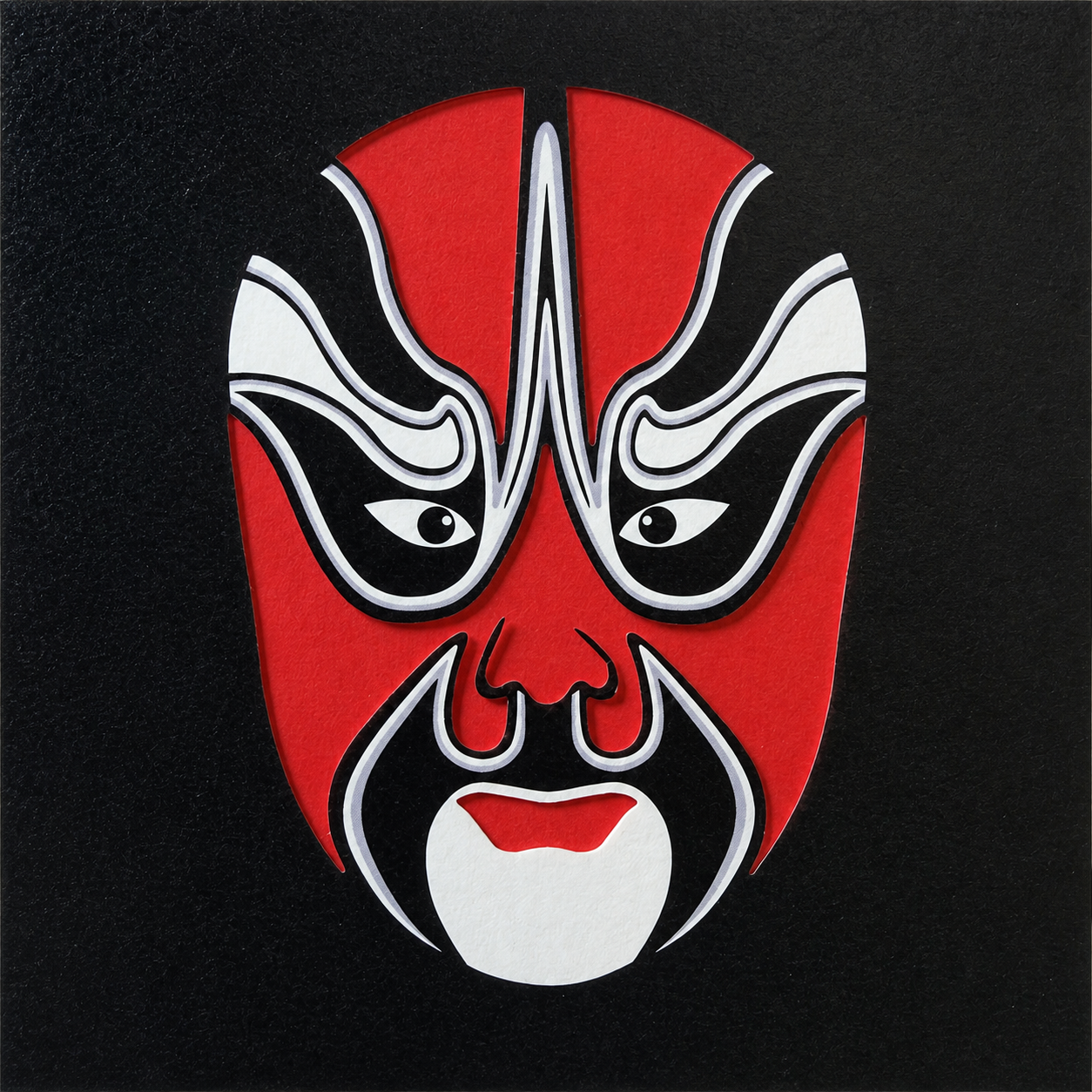
8 Laser Processing Examples for Paper Packaging
The following examples show how changing the artwork, laser parameters, processing depth and combination with other finishes can produce very different packaging effects.
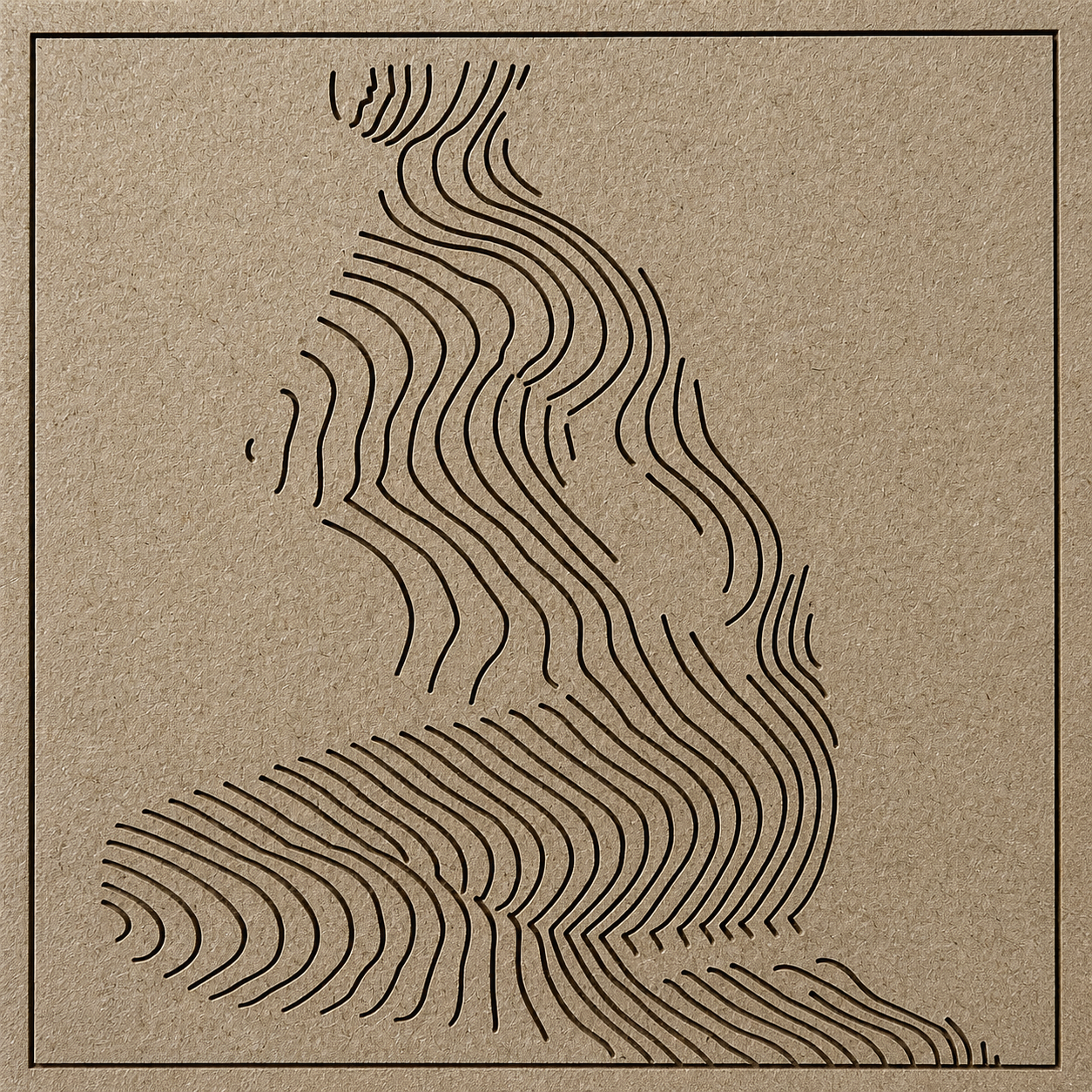
1. Fine-Line Laser Engraving
Fine laser lines can create detailed illustrations directly on thick paperboard.
In one application, closely spaced curved lines are engraved into approximately 700 gsm paperboard, creating a precise etched appearance without conventional printing.
The slightly darkened lines contrast naturally with the paper surface, making this technique suitable for premium packaging, book covers and cultural gift products.
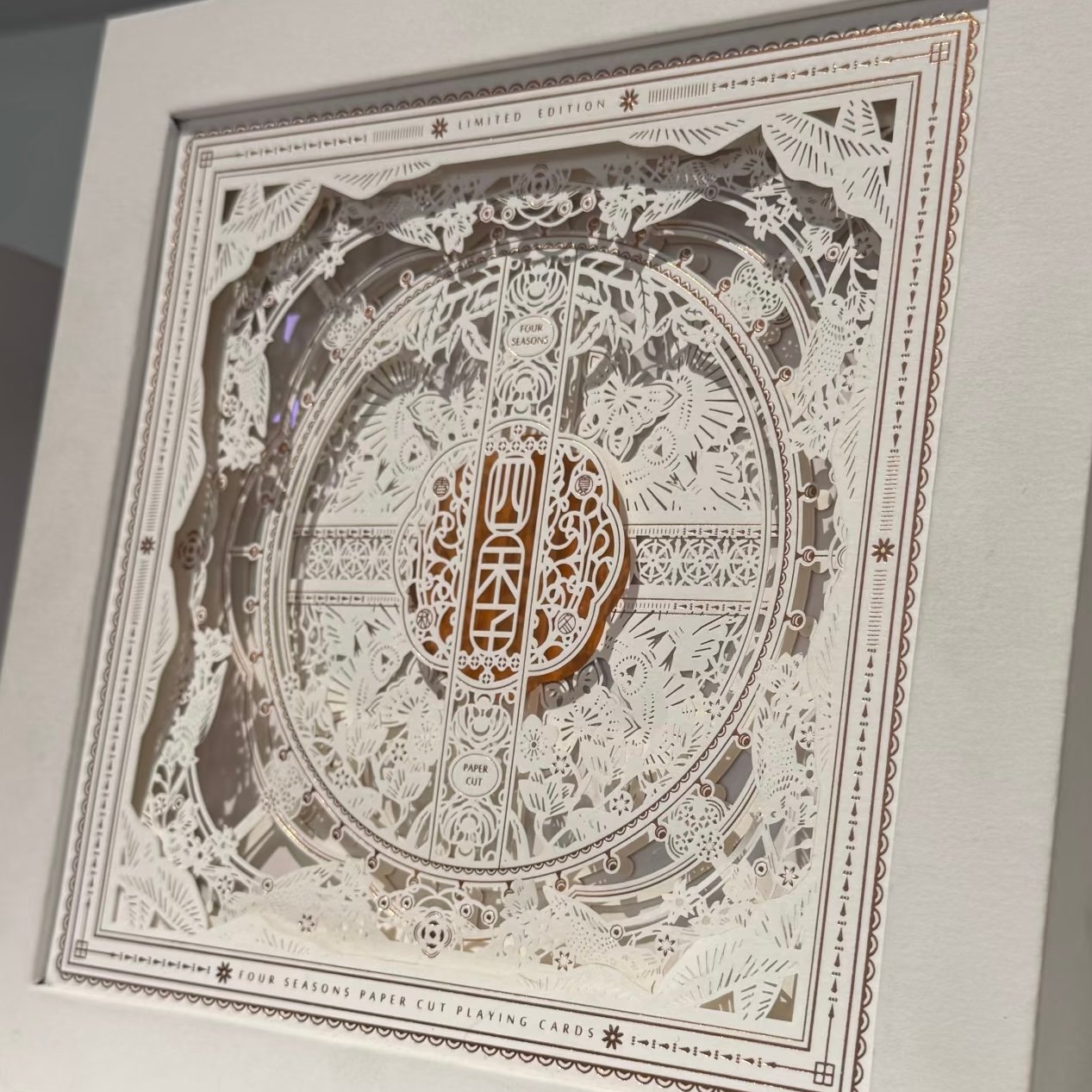
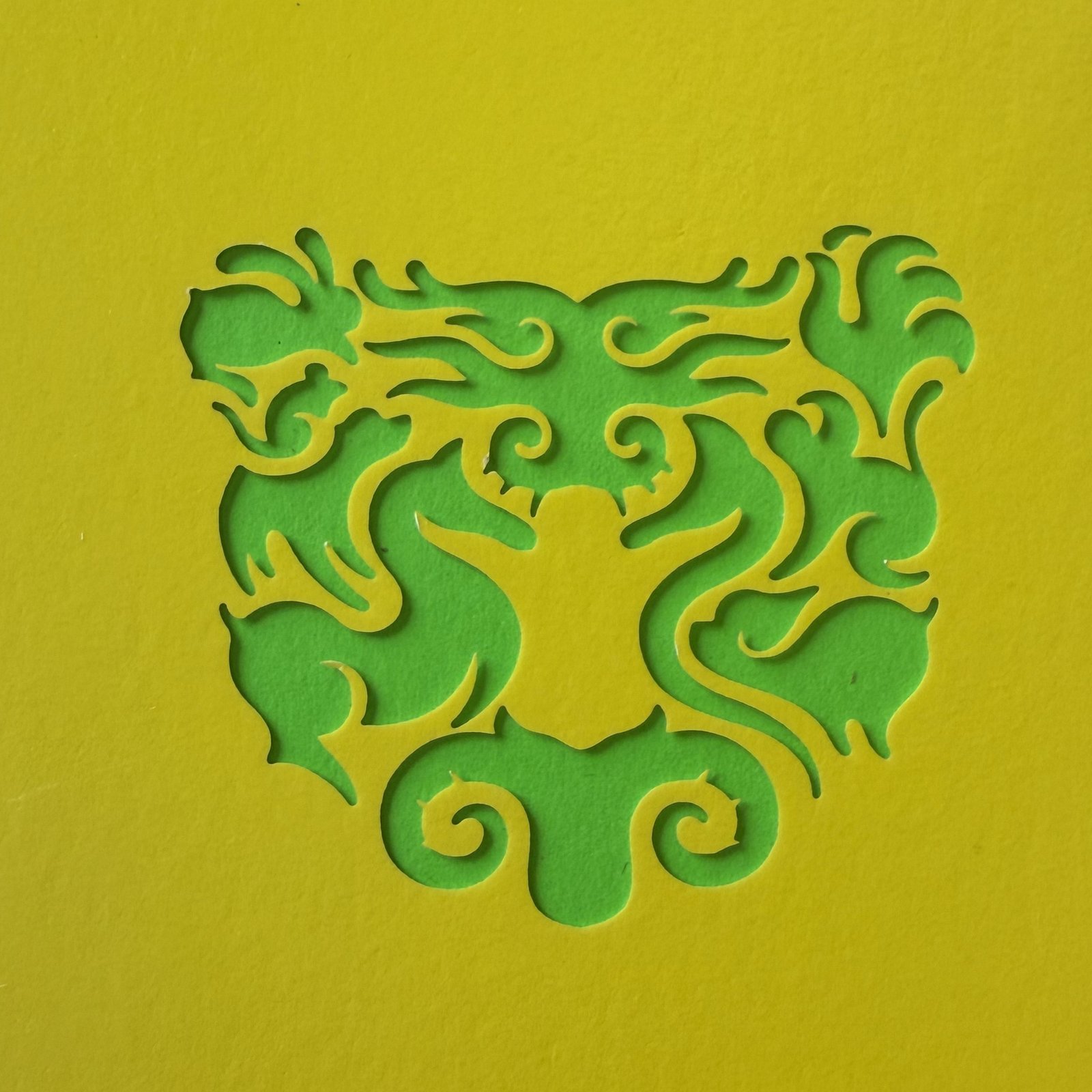
2. Intricate Laser Cutouts
Laser cutting can create complex openings with smooth curves, small details and sharp internal features.
A contrasting paper, printed graphic or colored layer can be placed underneath the cutout so that it becomes part of the visible design.
This technique works particularly well for decorative sleeves, greeting cards, luxury gift boxes and fashion packaging.
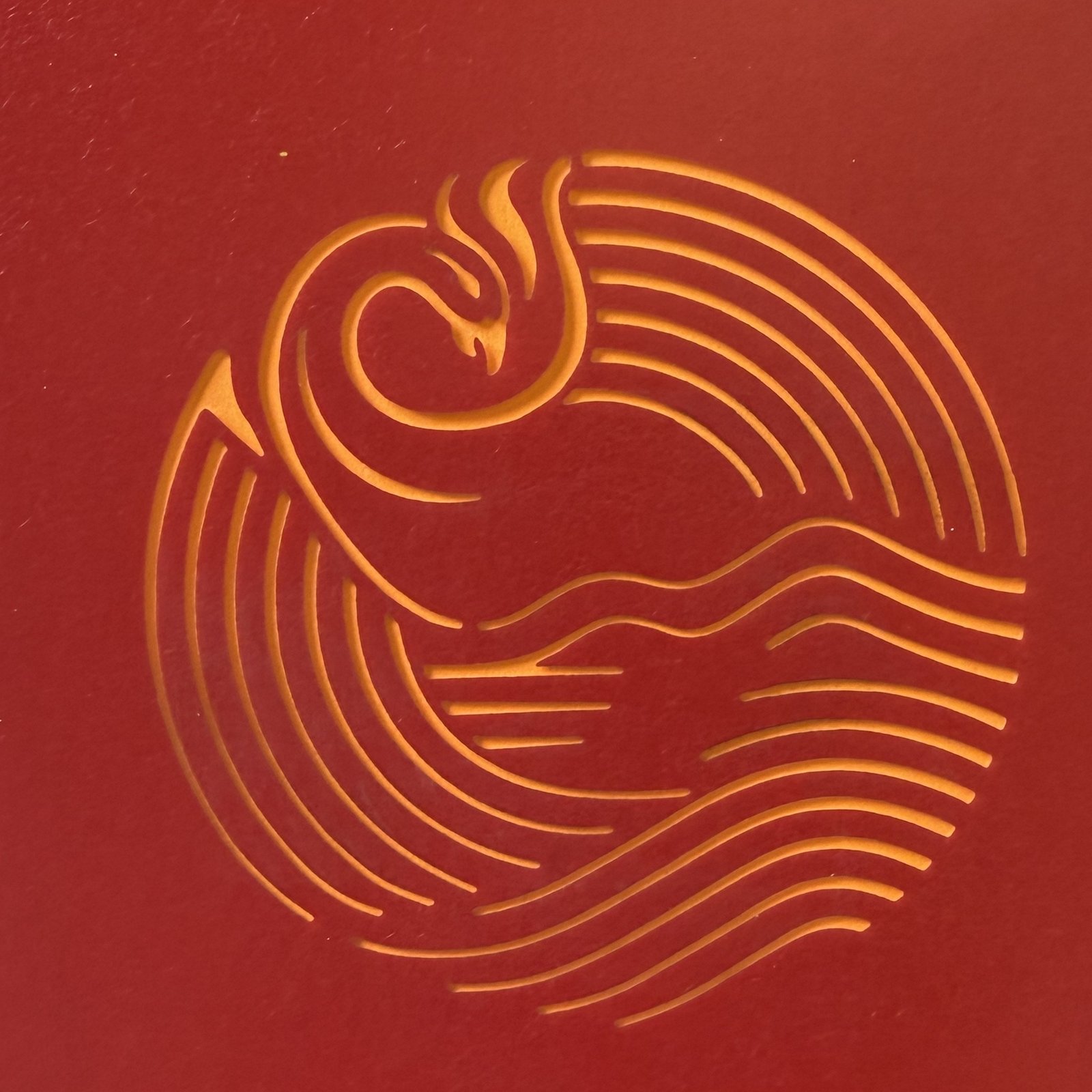
3. Precision Pattern Engraving
Complex line patterns can be engraved without cutting completely through the paper.
The process can reproduce smooth curves, accurate intersections and fine decorative details while keeping the main packaging structure intact.
It is particularly useful for geometric artwork and intricate decorative motifs that require greater precision than many conventional mechanical processes can easily provide.
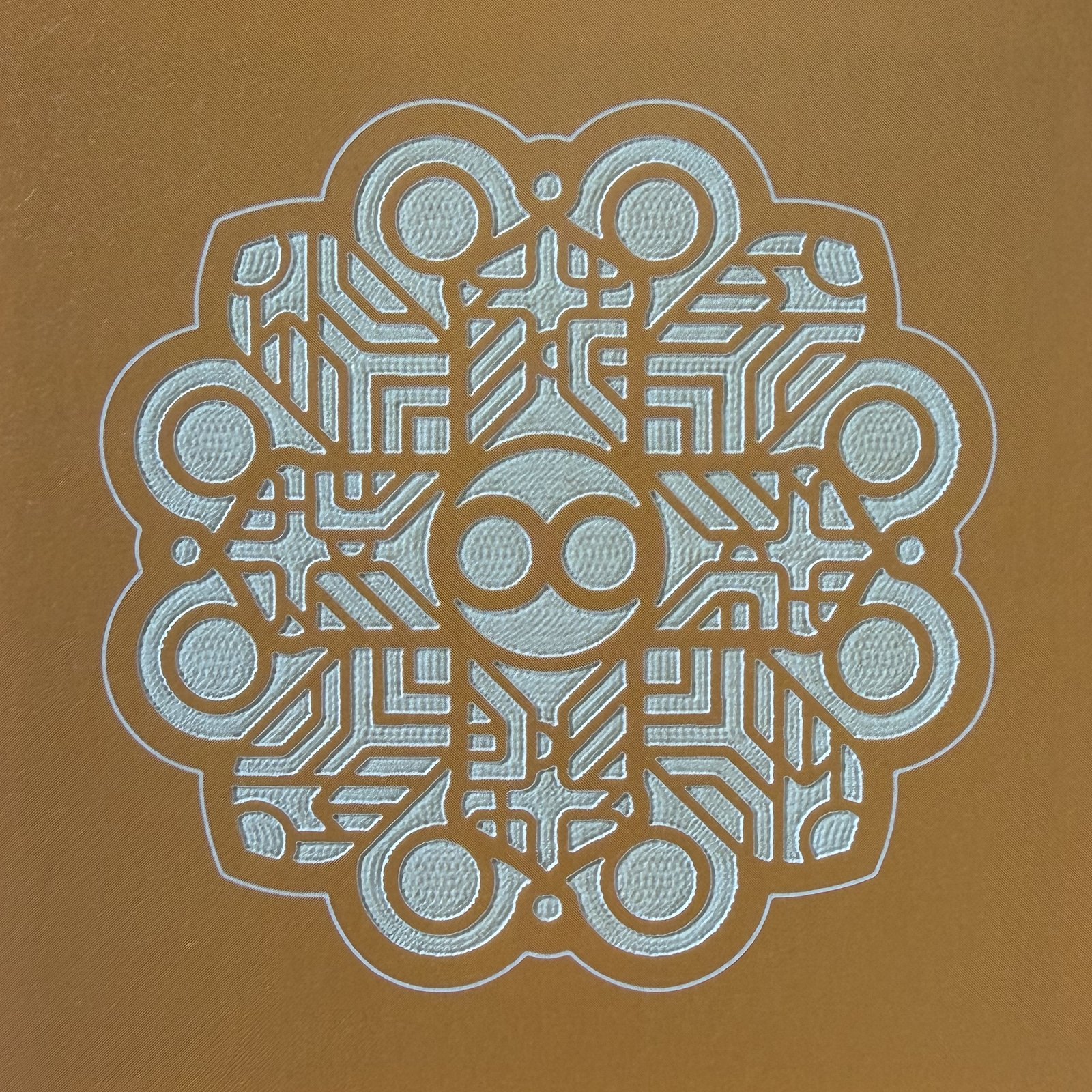
4. Variable-Depth Laser Engraving
Laser energy can be controlled to create different engraving depths or intensities within the same design.
On suitable materials, removing or altering the surface can also reveal the natural color underneath, creating tonal contrast without adding another ink.
Because both depth and color change depend on the substrate, physical sampling is important before production.
5. Laser Cutting Combined with Printing
Laser processing can be precisely registered with printed artwork.
Selected areas of a printed image can be cut away so that the openings interact with graphics or colors underneath, producing a layered visual effect.
Accurate registration is critical. The laser-processing layer and printed artwork should therefore be clearly defined in the production file and tested before mass production.
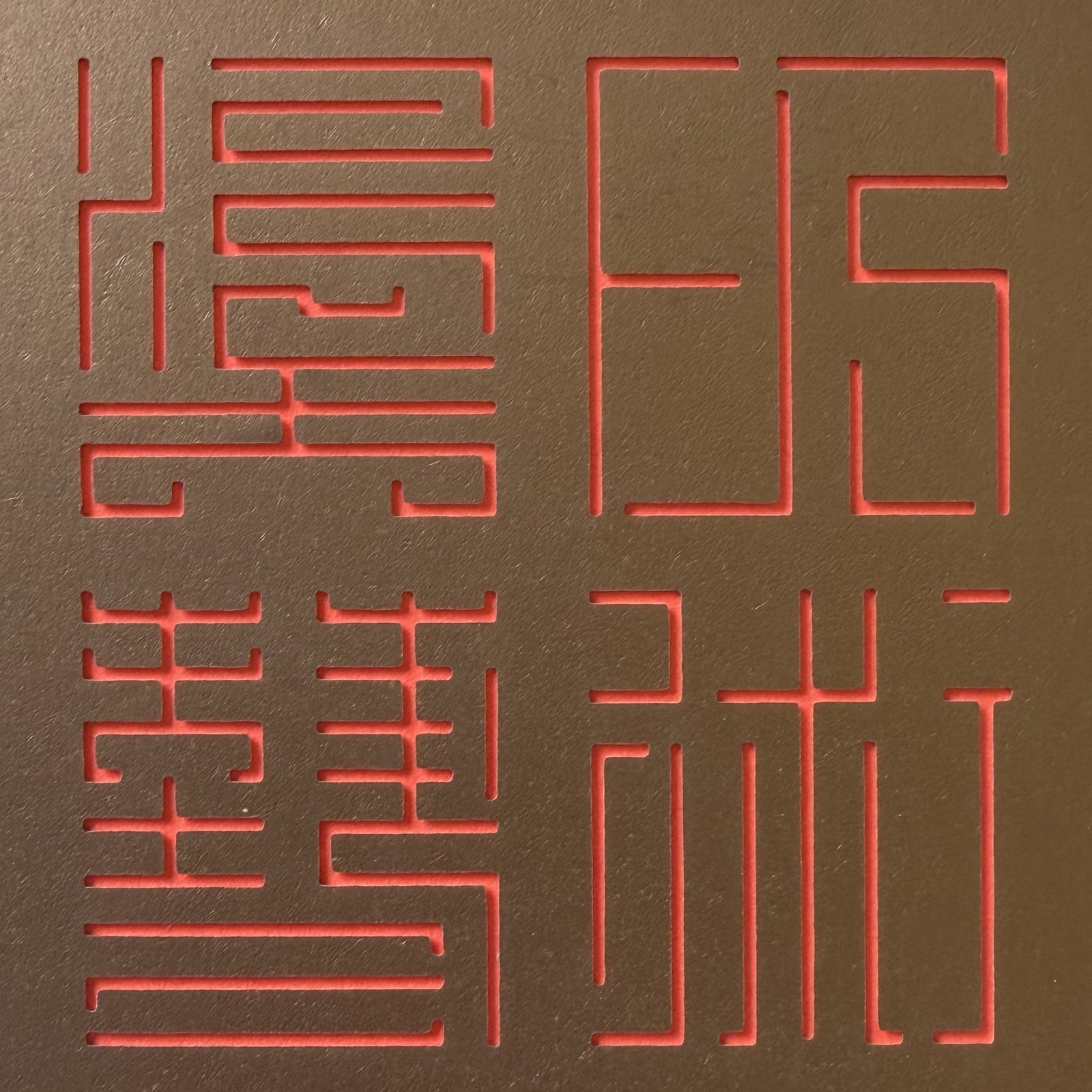
6. Laser-Engraved Typography
Laser engraving can reproduce fine lettering and complex typography without requiring a dedicated engraving die.
This is particularly useful for decorative characters, brand names, personalized names and limited-edition information.
For dense or continuous line designs, spacing and line connections should be carefully considered because excessive laser exposure in a small area may weaken or discolor the paper.
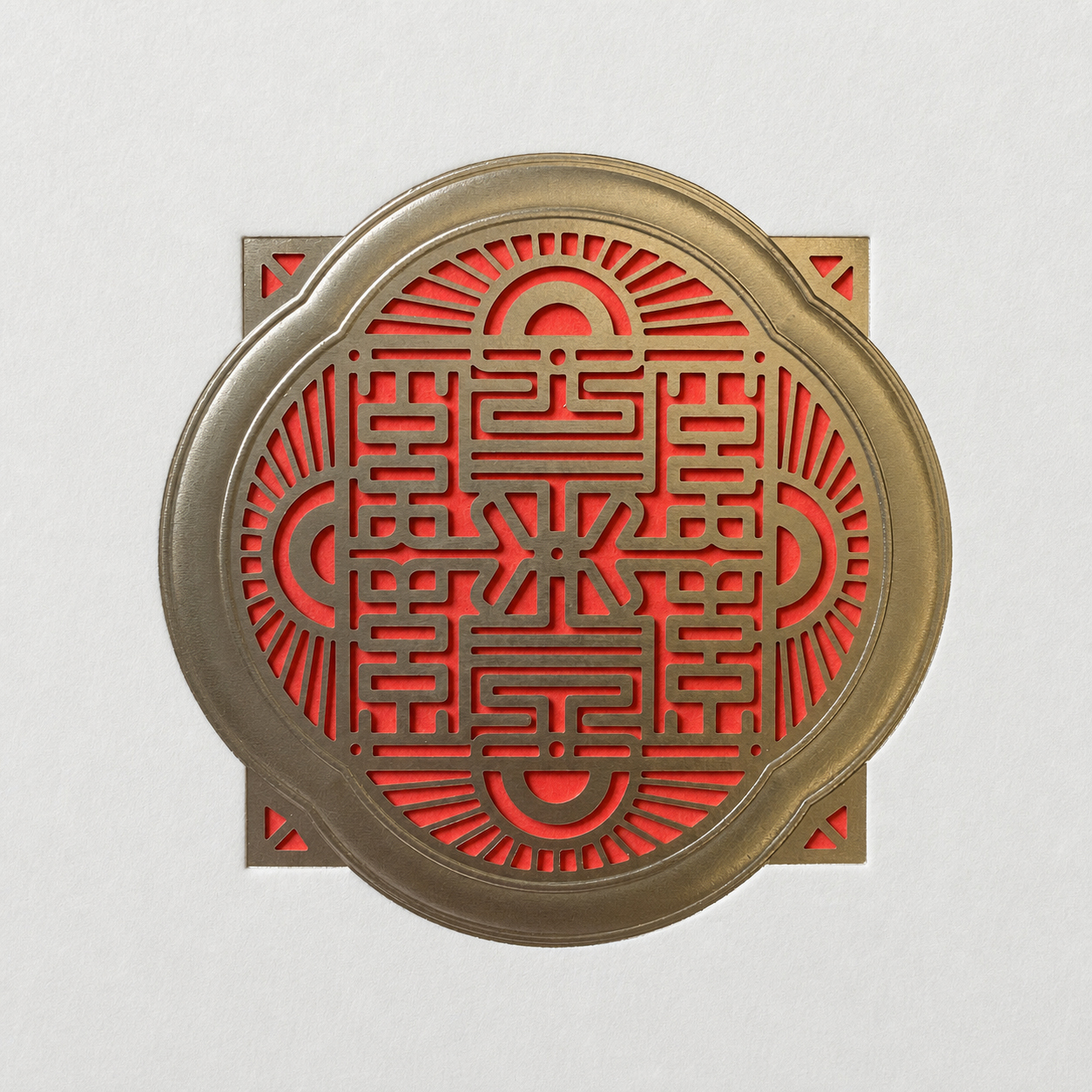
7. Laser Engraving Combined with Embossing
Laser processing can also be combined with embossing to create multiple levels of tactile detail.
Embossing creates the larger raised structure, while laser processing adds finer engraved or cut details.
Because the two effects must align accurately, registration and production sequence should be tested before mass production.
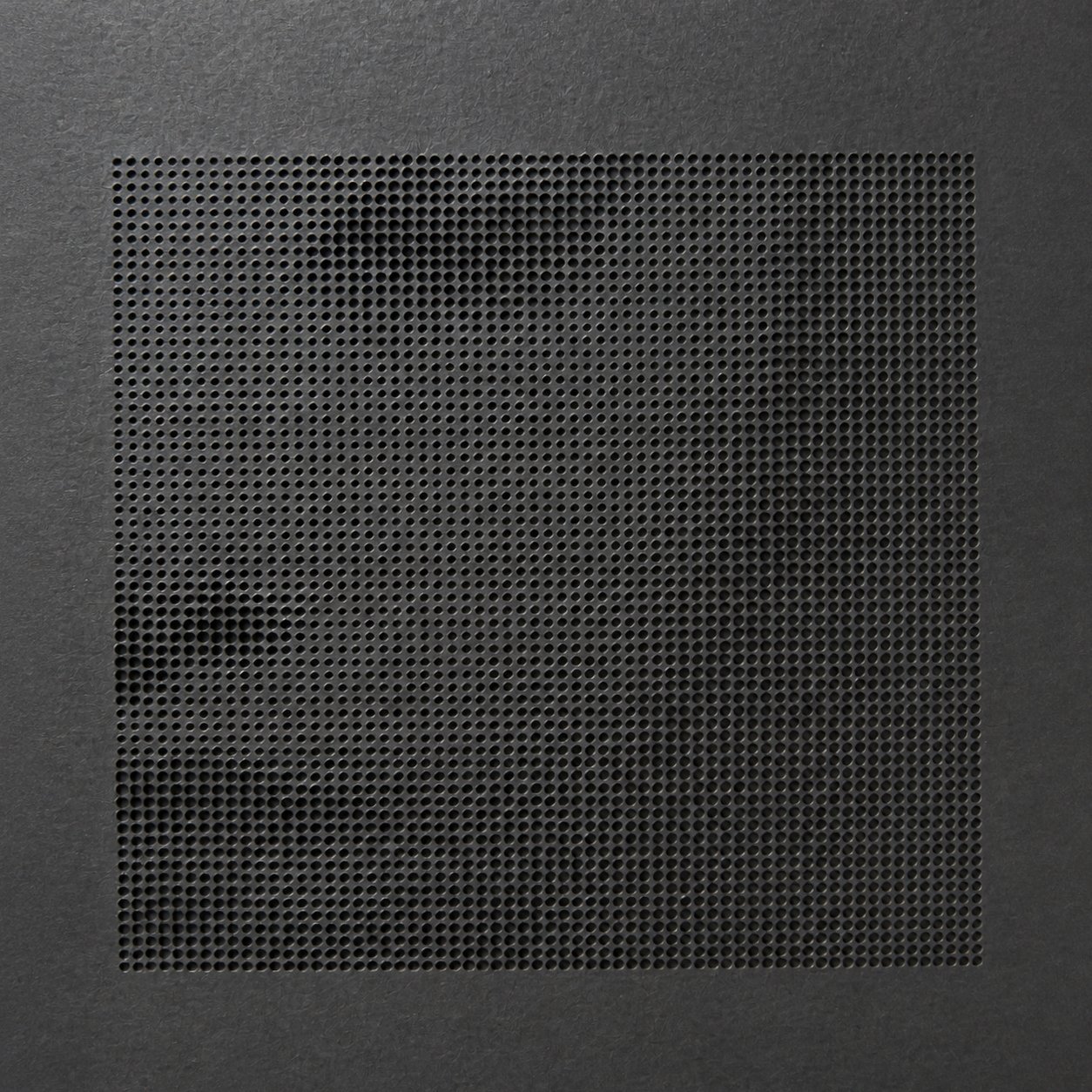
8. Laser Dot-Matrix Engraving
Laser engraving can create an image from a controlled arrangement of tiny dots rather than continuous lines.
By adjusting dot size, spacing and density, the pattern can collectively form graphics, text or tonal images, producing a halftone-like decorative effect without conventional ink printing.
Different substrates and laser parameters produce different dot characteristics, so testing is necessary to determine the appropriate specification.
Advantages of Laser Engraving for Packaging
High Precision
Laser processing can reproduce small details, fine lines and intricate patterns with high positional accuracy.
No Conventional Engraving Die
Because artwork is digitally controlled, a physical engraving die is generally not required for the laser process itself.
This reduces tooling dependence when artwork changes frequently.
Personalization and Variable Designs
Names, numbers and other graphics can change between pieces, making laser engraving particularly useful for:
Personalized packaging
Limited editions
Sequential numbering
Event packaging
Promotional gift packaging
Distinctive Material-Driven Effects
Laser engraving uses the characteristics of the substrate itself to create the design.
On wood, kraft-colored board and selected specialty papers, this can produce a natural visual effect that conventional printing does not reproduce in exactly the same way.
Compatible with Other Finishes
Laser processing can be combined with printing, foil stamping, embossing and other packaging finishes.
The combination should have a clear design purpose rather than adding processes simply to make the packaging appear more elaborate.
Limitations and Production Considerations
Laser engraving is not suitable for every packaging project.
Important considerations include:
Processing large areas can take considerable machine time.
Thin or low-density paper can be damaged by excessive laser energy.
Heat-sensitive materials may warp or discolor.
Complex graphics can increase laser dwell time.
Natural materials can show color variation.
Smoke or residue may appear on certain substrates.
Deep engraving requires additional processing time.
Some materials are unsuitable for laser processing.
Fine laser work requires careful material testing.
For paper packaging in particular, more complex artwork is not always better.
Very dense patterns can require the laser beam to remain in one area for longer, increasing heat exposure and potentially affecting the original paper color.
Simplifying the artwork can sometimes produce cleaner results and better production stability.
Laser Processing vs. Die Cutting
Laser processing and conventional die-cutting can both be used to create shapes, openings and decorative details in paper packaging, but they are suited to different production requirements.
Die-cutting uses a physical cutting die to cut and crease paperboard. Once the tooling has been made, it can process repeated designs efficiently, which is why it remains the standard method for most folding cartons, rigid box wrapping components and other high-volume paper packaging.
Laser processing, by contrast, follows digital artwork without requiring a physical cutting blade to reproduce each shape. This gives it an advantage when the design contains very small circles, sharp internal corners, fine lines or intricate cutout patterns that would be difficult to manufacture reliably with a conventional cutting die.
Another important difference is design flexibility.
Changing a die-cut design normally requires modifying or replacing the physical tooling. Laser artwork can be changed digitally, making laser processing more practical for prototypes, short runs, personalization and frequently changing designs.
However, this does not mean laser processing is always more efficient.
For a standard box structure produced in large quantities, conventional die-cutting is usually faster and more economical because the same die can repeatedly process the design at high production speeds. Laser processing must follow the required paths on each sheet or component, so intricate or large-area designs can require considerably more machine time.
When Should You Choose Laser Processing?
Consider laser processing when the packaging requires:
Extremely fine decorative details
Small circular openings
Sharp internal corners
Intricate cutout patterns
Personalized or variable designs
Short production runs
Rapid design changes
Decorative effects that are difficult to reproduce with conventional cutting blades
When Should You Choose Die Cutting?
Conventional die-cutting is generally more appropriate when the project requires:
Standard folding carton structures
Box outlines and crease lines
Large production quantities
High production speed
Repeated identical designs
Lower unit cost at scale
Straightforward windows and cutouts
In many premium packaging projects, the two processes do not need to compete.
A conventional die can create the main box structure and crease lines, while laser processing is reserved for fine decorative details or intricate cutouts that justify the additional precision.
This hybrid approach allows each technology to be used where it is most effective.
| Feature | Laser Processing | Conventional Die Cutting |
|---|---|---|
| Tooling | Digital processing; no cutting die required for the laser operation | Physical cutting die required |
| Fine Details | Excellent for intricate and very small features | Limited by the physical construction of cutting blades |
| Sharp Internal Corners | Easier to achieve | More difficult for very small or sharp details |
| Design Changes | Artwork can be changed digitally | Tooling may need to be modified or replaced |
| Personalization | Well suited to variable designs | Not practical for frequent design changes |
| Short Runs | Particularly useful for specialized or changing designs | Tooling cost can be less economical at very low quantities |
| High-Volume Production | Processing time remains important for every piece | Highly efficient for repeated designs after tooling |
| Standard Box Structures | Usually unnecessary for conventional structures | Preferred for most box cutting and creasing |
| Intricate Decorative Cutouts | Major advantage | Possible, but complexity is limited by tooling |
| Creasing | Not normally the first choice for standard box creasing | Highly suitable |
| Best Use | Fine decorative details, complex cutouts, personalization and short runs | Standard structures, repeated designs and high-volume production |
Laser Engraving vs. Embossing and Debossing
Laser engraving, embossing and debossing can all add tactile detail, but they achieve it differently.
Laser engraving removes or modifies material digitally. Embossing uses dies and pressure to create a raised design, while debossing presses the design into the substrate to create a recessed impression.
For repeated logos across a large production quantity, embossing or debossing may be more economical once tooling has been produced.
Laser engraving becomes particularly attractive when the artwork contains fine details or needs to change between pieces.
| Feature | Laser Engraving | Embossing | Debossing |
|---|---|---|---|
| Process | Laser removes or modifies material | Dies raise the material | Dies press the design into the material |
| Main Effect | Recessed or surface-modified | Raised | Recessed |
| Physical Tooling | Usually not required for engraving | Required | Required |
| Fine Detail | Excellent on suitable materials | Depends on material and die | Depends on material and die |
| Personalization | Excellent | Limited | Limited |
| Variable Artwork | Easy to change digitally | New tooling may be required | New tooling may be required |
| Best Use | Fine details, personalization, intricate artwork | Raised logos and tactile patterns | Recessed logos and tactile patterns |
| High-Volume Repeated Designs | Depends on processing time | Often efficient after tooling | Often efficient after tooling |
Laser Engraving vs. Foil Stamping
Foil stamping adds a decorative foil layer to the packaging surface, while laser engraving creates its effect by interacting directly with the substrate.
Foil stamping is usually the better choice when the main objective is metallic reflection, such as gold or silver branding.
Laser engraving is more suitable when the design requires:
Material-driven appearance
Fine recessed details
Variable graphics
Personalization
Intricate line work
The two processes can also be combined when metallic reflection and engraved detail are both important to the design.
Common Packaging Applications
Laser engraving and related laser techniques are commonly considered for:
Luxury gift boxes
Premium rigid boxes
Wine and spirits packaging
Jewelry and watch packaging
Perfume and cosmetics packaging
Fashion gift packaging
Greeting cards
Book covers
Cultural and creative products
Limited-edition packaging
Personalized packaging
Wooden and bamboo packaging
The process is particularly useful when the packaging itself is intended to contribute to the product experience rather than function only as a disposable container.
What Determines the Cost of Laser Engraving?
Laser engraving costs are strongly influenced by machine processing time.
The main cost factors include:
Engraving Area
A small logo requires much less processing time than a large engraved illustration.
Artwork Complexity
Dense lines, dot patterns and complex graphics can require the laser to travel across a larger number of paths.
Engraving Depth
Deeper engraving may require slower processing, higher energy or multiple passes.
Material
Different materials require different laser parameters and processing speeds.
Quantity
Laser engraving does not normally require conventional engraving tooling, but every piece still needs to be processed by the machine.
As a result, its cost structure differs from embossing or debossing, where the initial tooling cost can be distributed across a large production quantity.
Registration Requirements
When laser processing must align precisely with printing, embossing or another finish, additional setup and quality control may be required.
Personalization
Variable names, numbering or graphics require appropriate data and artwork preparation.
Does Laser Engraving Affect MOQ and Lead Time?
Laser engraving itself can be suitable for small or customized production because the artwork is digitally controlled.
However, the MOQ for the complete package may still be determined by other processes such as:
Paper purchasing
Printing
Lamination
Die-cutting
Rigid box production
Inserts
Other finishing processes
Lead time depends partly on how long each piece remains in the laser-processing stage.
A small engraved logo and a dense full-surface pattern can therefore have very different production times even when the box dimensions are identical.
Artwork Preparation for Laser Engraving
Good artwork preparation is especially important for fine laser work.
Use Vector Artwork Where Possible
Vector artwork provides precise paths for logos, text, line graphics and cutouts.
Separate Laser Processing Layers
Engraving, cutting and other finishing areas should be clearly separated from printing artwork.
If the packaging combines printing and laser processing, the relationship between these layers should be defined accurately.
Avoid Unnecessarily Dense Graphics
Complex artwork can increase processing time and heat exposure.
Fine lines should have enough spacing to remain visually distinct and structurally stable after processing.
Pay Attention to Connected Lines
For calligraphic lettering and continuous line graphics, connections between strokes should be reviewed carefully.
Too many overlapping laser paths can concentrate energy in small areas.
Consider Registration
When laser cutting or engraving aligns with printing or embossing, positioning accuracy becomes critical.
Multiple tests may be necessary to establish reliable production tolerances.
Keep Important Details Away from Structural Areas
Critical artwork should not unintentionally interfere with folds, creases or cut edges unless the interaction is part of the design.
Common Laser Engraving Problems and How to Avoid Them
Excessive Scorching
Excessive laser energy can darken or burn paper.
How to reduce it: Adjust power, speed and the number of passes according to the substrate.
Paper Discoloration
Dense artwork can keep the laser beam in one area for too long, affecting the original surface color.
How to reduce it: Simplify overly complex graphics and test different processing parameters.
Weakening of the Paper
Deep engraving or dense cutting patterns can reduce structural strength.
How to reduce it: Consider paper thickness, density and the amount of material being removed during the design stage.
Poor Registration
When laser processing is combined with printed artwork or embossing, even a small positioning error can be noticeable.
How to reduce it: Keep production layers clearly separated and conduct registration tests before mass production.
Insufficient Contrast
Some substrates show only subtle changes after engraving.
How to reduce it: Test the actual material rather than assuming that a digital rendering represents the final appearance.
Residue or Smoke Staining
Some papers and natural materials can develop residue around processed areas.
How to reduce it: Optimize laser parameters and evaluate cleaning or protective production methods during sampling.
Sustainability Considerations
Laser engraving can create decorative effects directly from the substrate, potentially eliminating the need for an additional ink or foil layer in some designs.
However, this does not automatically make laser engraving a more sustainable finishing method.
The environmental performance of the final packaging still depends on:
Base material
Coatings
Lamination
Adhesives
Other decorative finishes
Energy consumption
Packaging structure
Local recycling infrastructure
For example, laser engraving does not make a multilayer laminated package automatically easy to recycle simply because the decorative design itself does not use ink.
Sustainability should therefore be evaluated based on the complete packaging construction.
How to Choose the Right Laser Engraving Specification
Start with the design objective rather than the technology.
For fine decorative graphics:
Use laser engraving when the artwork contains detailed lines or patterns that benefit from digital precision.
For intricate openings:
Consider laser cutting when conventional dies cannot reproduce the required small circles, sharp corners or detailed cutouts efficiently.
For personalization:
Laser engraving is particularly useful when names, numbers or graphics need to change between pieces.
For natural material effects:
Wood, bamboo, kraft-colored board and selected specialty papers can produce distinctive tonal engraving.
For printed designs requiring additional depth:
Combine laser cutting or engraving with printing, but pay particular attention to registration.
For stronger three-dimensional effects:
Consider combining laser processing with embossing when both fine detail and raised structure are required.
For large-volume repeated designs:
Compare the processing time and cost with conventional printing, embossing, debossing or die-cutting before deciding.
The best specification depends on the interaction between material, artwork, quantity, required precision, processing depth, production time and budget.
Why Physical Samples Matter
Laser processing is highly material-dependent.
Two papers that look almost identical can respond differently because of differences in fiber composition, density or coating.
Physical samples can reveal:
Actual engraving depth
Line definition
Color change
Scorching
Surface residue
Fine-detail reproduction
Registration accuracy
Structural weakening
Material deformation
For complex laser packaging, testing the actual production material is much more reliable than approving the effect from a digital rendering alone.
Frequently Asked Questions
What is laser engraving in packaging?
Laser engraving uses a focused laser beam to remove or modify the surface of a packaging material, creating permanent logos, text, patterns and decorative details without conventional engraving dies.
Can paper and paperboard be laser engraved?
Yes. Many paper and paperboard materials can be laser engraved, but the result depends on thickness, density, fiber composition, coating and laser settings. Thin or low-density paper requires particular care to avoid burning or weakening.
What is the difference between laser engraving and laser cutting?
Laser engraving primarily removes or modifies the surface to create decorative details, while laser cutting passes through the material to create openings, patterns or separate components.
Why use laser cutting instead of conventional die-cutting?
Conventional die-cutting is efficient for most packaging structures. Laser cutting becomes particularly useful for very small circles, sharp internal corners and intricate patterns that are difficult to reproduce cleanly with physical cutting blades.
Is laser engraving the same as debossing?
No. Debossing presses a design into the material using a die and pressure. Laser engraving removes or modifies material with laser energy. Both can create recessed effects, but their production methods and visual characteristics are different.
Can laser engraving be combined with printing?
Yes. Printed artwork can be combined with precisely registered laser engraving or cutting to create layered graphics and reveal effects. Accurate registration between the two processes is essential.
Can laser engraving be combined with embossing?
Yes. Embossing can create a larger raised structure while laser engraving adds finer details. Because both processes must align accurately, sampling and registration control are important.
Is laser engraving suitable for personalized packaging?
Yes. Because the artwork is digitally controlled, names, numbers and other graphics can change between pieces without producing a new conventional engraving die for every variation.
Is laser engraving expensive?
Cost depends primarily on material, engraving area, artwork complexity, processing depth, machine time, quantity and registration requirements. A small engraved logo can be relatively efficient, while a dense full-surface pattern requires significantly more processing time.
What packaging materials can be laser engraved?
Paper, paperboard, wood, bamboo and selected specialty materials can be suitable. Certain plastics can also be laser processed, but compatibility must be verified before production.
Is Laser Engraving Right for Your Packaging?
Laser engraving is a strong option when packaging requires permanent details, personalization, variable information or a decorative effect created directly from the material itself.
It is particularly valuable for wooden presentation boxes, premium gift packaging, limited editions and customized packaging where conventional printing or fixed tooling cannot provide the same flexibility.
It is not automatically the best choice for every premium package. Large production quantities with identical artwork may be better suited to printing, embossing, debossing or foil stamping depending on the required appearance.
Material testing should therefore come before final production decisions.
Not sure whether laser engraving is right for your packaging? Contact us to discuss your material, artwork, packaging structure, and project requirements with our team.