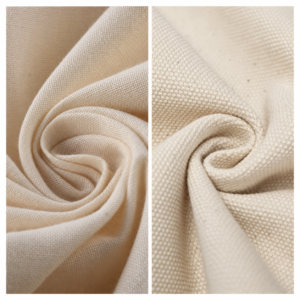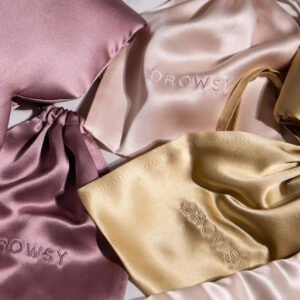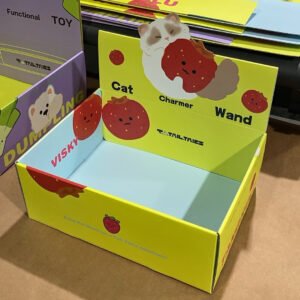
Flocking gives packaging a soft, velvet-like surface that looks and feels very different from conventional printed paper. It is commonly used for luxury boxes, jewelry packaging, perfume packaging, presentation boxes and internal inserts where tactile quality is an important part of the product presentation.
Unlike lamination or varnishing, which changes the surface by adding a film or coating, flocking applies very short fibers onto an adhesive-coated substrate. The result can range from a subtle suede-like texture to a dense velvet appearance, depending on the fiber, adhesive, substrate and application method.
Quick answer: Flocking is a packaging finishing process that bonds short fibers to an adhesive-coated surface to create a soft, velvet-like texture. It is mainly used on premium packaging and inserts where tactile presentation is more important than minimizing finishing cost.
Flocking at a Glance
| Flocking Type | Main Effect | Best Suited To | Key Consideration | Relative Cost |
|---|---|---|---|---|
| Full-surface flocking | Dense, velvet-like coverage across a large surface | Luxury rigid boxes, jewelry boxes, watch and perfume packaging | Strongest tactile effect but uses more fiber and adhesive | $$$ |
| Selective flocking | Raised or soft fiber texture only on selected areas | Logos, patterns, decorative graphics and premium branding | Fine details and narrow gaps require careful process control | $$–$$$ |
| Flocked paper | Textile-like paper surface used as a wrapping material | Rigid boxes, presentation boxes and premium gift packaging | Wrapping, edges and handling need to be considered during production | $$–$$$ |
| Flocked inserts & trays | Soft, velvet-like presentation surface around the product | Jewelry, watches, perfume bottles and luxury product inserts | Improves presentation but does not replace structural cushioning | $$ |
Cost symbols are relative only. Actual pricing depends on flocked area, fiber type and density, substrate, color, packaging structure, order quantity and additional finishing requirements.

What Is Flocking in Packaging?
Flocking is the process of depositing small fibers, known as flock, onto a surface that has been coated with adhesive.
The fibers stand on or become embedded in the adhesive layer, creating a dense tactile surface. Depending on the specification, the finished material may feel similar to velvet, suede or brushed textile.
For packaging, flocking can be used on:
Paper and paperboard
Paper-wrapped rigid boxes
Molded or fabricated inserts
Foam inserts
Plastic trays
Display panels
Jewelry holders
Selected decorative components
Flocking is therefore slightly different from many conventional packaging finishes. Instead of primarily changing gloss, reflection or printed appearance, it adds a physical fiber layer that significantly changes how the packaging feels.
This makes flocking especially useful when touch is part of the intended luxury experience.
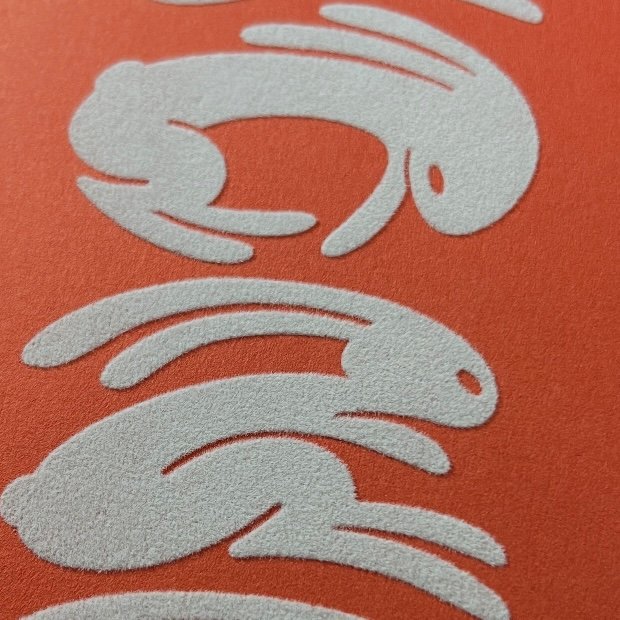
Flocking sits between surface decoration and specialty processing because it adds an actual fiber layer rather than simply modifying the printed surface. See our Specialty Packaging Processes guide to compare flocking with structural, laser-based, and optical packaging techniques.
How Does the Flocking Process Work?
Although the exact production method depends on the substrate and equipment, packaging flocking generally involves several stages.
1. Surface Preparation
The substrate must first be clean and suitable for adhesive application.
Dust, surface treatments, coatings and material porosity can affect adhesion, so compatibility should be checked before production.
2. Adhesive Application
Adhesive is applied to the areas that will receive the flock fibers.
For full-surface flocking, the adhesive covers most or all of the visible substrate. For selective flocking, it follows a specific logo, pattern or graphic area.
The adhesive layer needs to be sufficiently uniform. Uneven application can lead to visible differences in fiber density.
3. Fiber Application
Short flock fibers are deposited onto the adhesive.
One common production method is electrostatic flocking. The fibers receive an electrical charge and are attracted toward the adhesive-coated surface, helping them orient more vertically rather than lying randomly across the surface.
This produces a denser and more uniform velvet-like texture.
4. Drying or Curing
The adhesive is allowed or encouraged to cure according to the adhesive system being used.
Correct curing is important because inadequate bonding can contribute to excessive fiber shedding or poor rub resistance.
5. Removal of Loose Fibers
Fibers that have not bonded to the adhesive are removed.
The finished surface is then inspected for consistency, bald areas, contamination, color variation and other visible defects.
6. Converting and Assembly
The flocked material may subsequently be die-cut, wrapped around a rigid box, assembled into an insert or incorporated into another packaging component.
The production sequence matters because flocked surfaces can require more careful handling than conventional printed paper.
Types of Flocking for Packaging
Flocking can be specified in several ways depending on the packaging design and intended effect.
Full-Surface Flocking
Full-surface flocking covers a large or complete visible area with fibers.
It creates the strongest tactile transformation and can make a rigid box feel more like a textile-covered presentation case than conventional paper packaging.
It works particularly well for:
Jewelry boxes
Watch boxes
Perfume presentation boxes
Premium gift boxes
Collector packaging
The main considerations are cost, handling, fiber consistency and the relatively large amount of adhesive and flock material required.
Selective Flocking
Selective flocking applies fibers only to designated areas.
For example, a brand may flock:
A logo
Decorative pattern
Product name
Graphic symbol
Border
Background motif
This creates contrast between the flocked area and the surrounding printed or laminated surface.
Selective flocking can reduce the amount of flocked material while making the tactile effect more intentional.
However, detailed designs require careful control. Very fine lines, small text and narrow gaps may not reproduce as cleanly as larger graphic shapes.
Flocked Paper
Paper can be flocked first and then used as a decorative wrapping material.
For rigid boxes, the flocked sheet may be wrapped over greyboard in much the same structural way that specialty paper or printed paper is used.
This approach allows a large exterior surface to have a consistent velvet-like appearance.
Flocked Inserts and Trays
Flocking is also widely used inside packaging.
A flocked insert can provide a soft-looking presentation surface around jewelry, watches, perfume bottles or other premium products.
Common substrates include fabricated board structures, molded trays and foam.
In this application, flocking is often selected for both appearance and tactile presentation. However, it should not automatically be considered a protective cushioning solution—the structural insert still needs to hold and protect the product correctly.
Flock Fiber Types and Lengths
The appearance, softness and durability of a flocked surface depend not only on fiber density, but also on the fiber length and fiber material selected for the application.
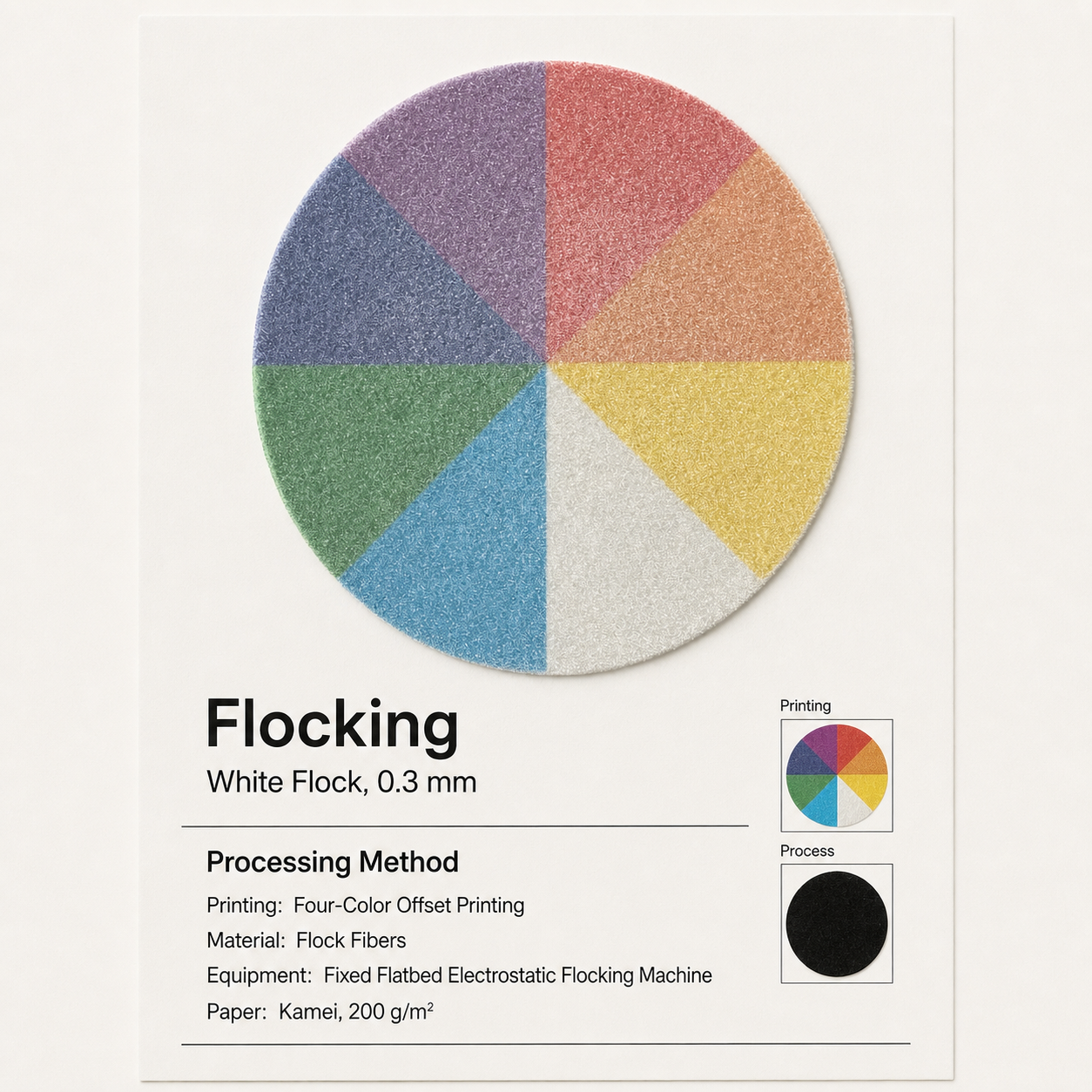
For packaging flocking, fiber lengths are commonly around 0.3–0.8 mm. Shorter fibers generally produce a finer, more compact surface, while longer fibers can create a more pronounced velvet-like texture. The appropriate length depends on the desired appearance, tactile effect, substrate and durability requirements.
Most flocking applications today use manufactured fibers. Four commonly used flock fiber materials are viscose, nylon, acrylic and polyester.
Viscose Flock
Viscose is widely used when a soft decorative surface is required and cost is an important consideration.
It can provide an attractive velvet-like appearance at a relatively economical cost, making it suitable for many decorative packaging applications where high abrasion resistance is not the primary requirement.
For projects where budget is a major consideration, viscose flock can be a practical choice.
Nylon Flock
Nylon fibers offer better wear and abrasion resistance, making them suitable for packaging components that are likely to experience more frequent handling or rubbing.
They can be considered for premium boxes, reusable presentation packaging and certain inserts where maintaining the flocked surface during repeated use is important.
Acrylic Flock
Acrylic fibers can be used for decorative flocking where appearance, color and surface texture are important.
The suitability of acrylic flock depends on the required tactile effect, durability and production specification, so it should be evaluated together with the substrate and adhesive system.
Polyester Flock
Polyester is another useful option when durability and wear resistance are priorities.
For packaging that requires a more abrasion-resistant flocked surface, nylon or polyester fibers are generally better candidates than choosing the fiber primarily on cost.
How to Choose the Right Flock Fiber
The fiber should be selected according to the actual packaging requirements rather than appearance alone.
| Requirement | Fiber to Consider | Why |
|---|---|---|
| Lower-cost decorative flocking | Viscose | Economical option for many decorative applications |
| Higher wear resistance | Nylon | Good abrasion and handling resistance |
| Decorative surface and color requirements | Acrylic | Suitable for selected decorative flocking applications |
| Durability and abrasion resistance | Polyester | Suitable when surface wear is an important consideration |
Fiber selection is only one part of the specification. Fiber length, density, adhesive, substrate and curing conditions work together to determine the final appearance and performance.
For this reason, two flocked surfaces using the same fiber material can still look and feel noticeably different. Physical samples should be evaluated before mass production, especially for luxury packaging where color, softness and surface density are important.
What Materials Are Suitable for Flocking?
Material compatibility should be tested rather than assumed.
Paper and Paperboard
Paper-based substrates can provide a good base for flocking, particularly when the surface allows the adhesive to form a consistent bond.
Highly absorbent or heavily textured papers may require additional attention because they can influence adhesive coverage.
Rigid Box Wrapping Materials
Flocked sheets are particularly suitable for rigid boxes because the structural greyboard provides rigidity while the outer flocked layer creates the decorative surface.
This combination is common in luxury gift, jewelry and perfume packaging.
Foam
Foam can be flocked to create premium internal inserts.
The foam provides cushioning and product positioning, while the flocked surface improves presentation and conceals the utilitarian appearance of the underlying foam.
The foam and adhesive must be compatible.
Plastic
Selected plastic trays and components can also be flocked, but surface energy, molding agents and substrate composition can affect adhesion.
Testing is important before approving mass production.
Common Packaging Applications
Jewelry Packaging
Jewelry is one of the most natural applications for flocking.
A velvet-like surface complements rings, necklaces, bracelets and earrings while helping create a traditional premium presentation.
Flocking can be applied to both the box interior and product holder.
Watch Packaging
Watch boxes frequently use flocked inserts or interior panels to create a softer presentation around the watch.
The flock color should be evaluated against the watch case, strap and other visible components.
Perfume Packaging
Premium perfume presentation boxes can use flocking either externally or internally.
Exterior flocking produces an unusual tactile box, while a flocked insert can frame the perfume bottle and increase visual contrast.
Cosmetics Packaging
Flocking can be used for premium cosmetic gift sets, limited editions and presentation packaging.
Because cosmetic packaging often combines several decorative techniques, the flocking specification should be considered together with printing, foil and structural design.
Luxury Gift Packaging
Flocking is especially effective when the packaging itself is intended to remain part of the product experience rather than being immediately discarded.
Presentation boxes, commemorative products, limited editions and high-value gifts can therefore justify the additional finishing cost more easily than everyday retail cartons.
Advantages of Flocking
Distinctive Tactile Experience
The primary advantage is touch.
Flocking creates a texture that cannot be closely replicated by ordinary ink or varnish.
Premium Appearance
Dense, consistent flocking can create strong visual depth, particularly with dark or saturated colors.
Suitable for Exterior and Interior Surfaces
Unlike some decorative finishes that are mainly applied to external graphics, flocking can also be highly effective inside the package.
Strong Contrast with Other Finishes
A matte flocked surface can contrast effectively with metallic foil stamping.
This makes it possible to create a premium appearance without adding many competing decorative elements.
Wide Range of Colors
Flock fibers can be produced in many colors, allowing the surface to coordinate with brand identity or the packaged product.
Color should nevertheless be approved using a physical sample rather than relying entirely on a digital screen.
Limitations of Flocking
Flocking is not the best solution for every packaging project.
Important limitations include:
Higher cost than many conventional coatings
Additional production stages
More demanding handling requirements
Potential fiber shedding
Dependence on adhesive performance
Possible rubbing or abrasion
Greater difficulty keeping the surface free from dust and contamination
More complex recycling considerations
Longer production time for some specifications
Need for physical sampling
Flocking should therefore have a clear purpose. Using it simply because it is a premium process may add cost without improving the packaging concept.
Flocking vs. Soft-Touch Lamination
Flocking and soft-touch lamination can both create a softer tactile experience, but they are fundamentally different processes.
| Feature | Flocking | Soft-Touch Lamination |
|---|---|---|
| Surface | Short fibers | Laminated film |
| Feel | Velvet-like or suede-like | Smooth, soft and silky |
| Texture depth | More pronounced | More subtle |
| Surface uniformity | Fiber-based | Smooth film |
| Typical cost | Higher | Lower to medium |
| Best applications | Luxury boxes and inserts | Premium printed boxes |
| Fine printed graphics | More limited | Easier to maintain |
| Handling | Requires greater care | Generally easier |
Choose soft-touch packaging lamination when you need a smooth premium surface while retaining detailed printed graphics.
Choose flocking when the physical fiber texture itself is an important part of the packaging experience.
Flocking vs. Embossing
Flocking and embossing both add tactile value, but in different ways.
Embossing changes the shape of the packaging material by pressing a design upward. Flocking adds fibers onto the surface.
Embossing is therefore particularly useful for logos, lettering and patterns that need physical relief without covering the packaging with another decorative material.
Flocking is more appropriate when softness and textile-like texture are the primary objectives.
The two processes should not be considered direct substitutes—the desired tactile experience is very different.
Flocking vs. Varnishing
Varnishing is primarily a coating process used to control gloss and provide a degree of surface protection.
Flocking is a decorative fiber application.
For standard printed folding cartons where cost, production efficiency and graphic reproduction are the main concerns, packaging varnishing is usually the more practical option.
For a high-value presentation box where texture is central to the design, flocking may justify its higher cost.
Flocking and Foil Stamping
Flocking and foil stamping can be an effective combination for luxury packaging.
The flock provides a soft, low-reflection background, while metallic foil introduces controlled reflection.
For example:
Black flocking + gold foil logo
can create strong contrast without requiring a complicated graphic design.
Other combinations may include:
Burgundy flocking + gold foil
Dark green flocking + gold foil
Navy flocking + silver foil
Cream flocking + restrained metallic foil
The key is restraint.
A relatively simple foil-stamped logo can be more effective on a flocked surface than several large metallic areas competing with the texture.
Because flocked surfaces behave differently from smooth paper, foil adhesion, pressure, temperature and production sequence should be tested before mass production.
What Determines the Cost of Flocking?
There is no universal price for flocked packaging.
The final cost depends on several variables.
Flocked Area
Full-surface flocking generally consumes more adhesive and fiber than a small selective area.
Fiber Specification
Fiber material, length, density and color can influence material cost and production requirements.
Substrate
Flocking paper, foam, molded components and other materials may require different preparation and production methods.
Packaging Structure
A simple flocked insert and a fully flocked rigid presentation box involve very different manufacturing processes.
Artwork Complexity
Selective patterns and detailed artwork may require more controlled application than broad solid areas.
Order Quantity
Setup costs are distributed across the production quantity. Very small runs can therefore have a relatively high unit cost.
Additional Finishes
Adding foil stamping, printing, embossing or other decorative processes increases the number of production stages and may require additional tooling.
Quality Requirements
Projects requiring particularly strict color matching, fiber density or surface consistency may need additional sampling and inspection.
For quotation purposes, provide the packaging structure, dimensions, material, quantity, flocking area, desired color, artwork and any additional finishes.
Does Flocking Affect MOQ and Lead Time?
It can.
Compared with standard printed packaging, flocking introduces additional materials and production stages.
MOQ and lead time can be affected by:
Availability of the required flock color
Custom color requirements
Adhesive specification
Substrate preparation
Flocking area
Production setup
Drying or curing requirements
Additional finishing processes
Sampling
Inspection requirements
If the packaging is being developed for a fixed product launch, the flocking specification should be confirmed early rather than added after the rest of the packaging has already been finalized.
Sustainability Considerations
Flocking should be evaluated as part of the complete packaging construction.
Adding fibers and adhesive creates additional material layers, which may affect how easily a paper-based package can be repulped, separated or recycled.
The actual impact depends on:
Fiber material
Adhesive system
Amount of flocking
Base substrate
Other coatings or films
Packaging construction
Local recycling infrastructure
For projects where material recovery is a priority, consider whether full-surface flocking is necessary or whether a smaller flocked component can provide the required visual and tactile effect.
Avoid assuming that a flocked package is recyclable simply because the underlying box is made from paperboard.
The entire construction should be evaluated.
Artwork Preparation for Selective Flocking
Selective flocking requires clearly prepared artwork.
The flocked area should normally be provided as a separate production layer rather than being identified only on a visual rendering.
Good artwork practice includes:
Use vector artwork where possible.
Place flocking on a clearly named separate layer.
Use solid shapes for flocking areas.
Avoid unnecessarily fine lines.
Keep critical details away from folds and cut edges.
Clearly identify flocking colors.
Show the relationship between flocking and other finishes.
Confirm registration requirements when flocking aligns with printed graphics.
Minimum line width and spacing depend on the actual process and material, so these should be confirmed with the packaging supplier before final artwork approval.
Common Flocking Production Problems
Uneven Fiber Density
If adhesive coverage or fiber application is inconsistent, some areas can appear lighter or less dense.
Large solid areas make these variations particularly noticeable.
Fiber Shedding
Some loose fibers are expected during production, but excessive shedding can indicate problems with adhesion, curing or process control.
Rub testing can help evaluate the finished surface.
Poor Adhesion
Adhesive performance depends on the substrate and surface treatment.
A material that works well with one adhesive system may not perform the same way with another.
Contamination
Dust, stray fibers and particles can be more noticeable on a uniform flocked surface.
Dark colors can make certain types of contamination particularly visible.
Color Variation
Fiber color should be evaluated under the lighting conditions relevant to the final product.
A physical flock sample is more reliable than a color displayed on a monitor.
Damage During Packing and Transport
Flocked surfaces should not be treated exactly like conventional laminated paper.
Repeated rubbing against adjacent boxes or packaging components can affect the appearance.
Protective wrapping, separators and suitable master-carton packing should be considered for premium flocked packaging.
How to Choose the Right Flocking Specification
Start with the role the flocked surface needs to perform.
For maximum tactile impact:
Consider full-surface flocking on a rigid presentation box.
For a more restrained design:
Use selective flocking on a logo, pattern or decorative panel.
For jewelry and watches:
Consider flocked inserts or holders where the soft surface complements the displayed product.
For perfume and cosmetics:
Evaluate both exterior flocking and flocked inserts, depending on whether the main objective is shelf impact or presentation after opening.
For designs requiring detailed printing:
Consider keeping the main printed area smooth and using flocking only on selected sections.
For cost-sensitive packaging:
Compare flocking with soft-touch lamination, embossing or other tactile finishes before committing to a full flocked surface.
The most expensive finish is not automatically the most premium-looking solution. Material, structure, artwork and finishing need to work together.
Why Physical Samples Matter
Flocking is one of the packaging finishes that is difficult to judge digitally.
A rendering can show color and approximate placement, but it cannot accurately communicate:
Fiber softness
Fiber length
Surface density
Directional appearance
Adhesion
Rub resistance
Shedding
Actual color under different lighting
For this reason, physical material samples are particularly valuable before approving flocked packaging.
For a custom project, a production sample can also reveal how flocking interacts with folds, edges, inserts, foil stamping and the final box structure.
Frequently Asked Questions
What is flocking in packaging?
Flocking is a finishing process that applies short fibers to an adhesive-coated packaging surface. The fibers create a soft, velvet-like or suede-like texture.
Is flocking the same as velvet?
Not exactly. Velvet is a textile construction, while flocking creates a velvet-like surface by bonding short fibers onto another substrate.
Can flocking be applied to paper packaging?
Yes. Compatible paper and paperboard surfaces can be flocked, and flocked paper can also be used as a wrapping material for rigid boxes.
Can flocking be used inside a box?
Yes. Flocking is commonly used on trays, foam inserts, jewelry holders and interior presentation panels.
Is flocking more expensive than lamination?
Generally, yes. Flocking requires fibers, adhesive and additional processing, so it is normally more expensive than standard gloss or matte lamination.
Can flocking be combined with foil stamping?
Yes. Metallic foil can create strong contrast against a soft flocked background. The material and production sequence should be tested because flocked surfaces require different process control from smooth paper.
Does flocking shed fibers?
Some loose fibers may be present after production, but excessive shedding is undesirable. Adhesive quality, curing and process control all influence fiber retention.
Is flocked packaging recyclable?
It depends on the complete construction. Fibers, adhesives, coatings, films and the base substrate can all influence recycling compatibility, and requirements vary by local recycling system.
Is Flocking Right for Your Packaging?
Flocking is most useful when tactile presentation is an intentional part of the packaging design.
For everyday folding cartons, simpler finishes such as varnishing or lamination may be more economical. For jewelry, perfume, watches, cosmetics and premium gifts, however, a carefully designed flocked surface can create a distinctive presentation that conventional coatings cannot reproduce.
The specification should be based on the product value, packaging structure, required texture, durability, artwork and budget.
Not sure whether flocking is right for your packaging? Contact us to discuss your desired texture, material, packaging structure, durability requirements, and project needs with our team.